What Homeowners Learn From HVAC Installation in Santa Rosa, CA
When a furnace quits during a January cold snap or an air conditioner gives out in the middle of a July heat wave, most homeowners suddenly become experts on comfort systems.
 roywilson
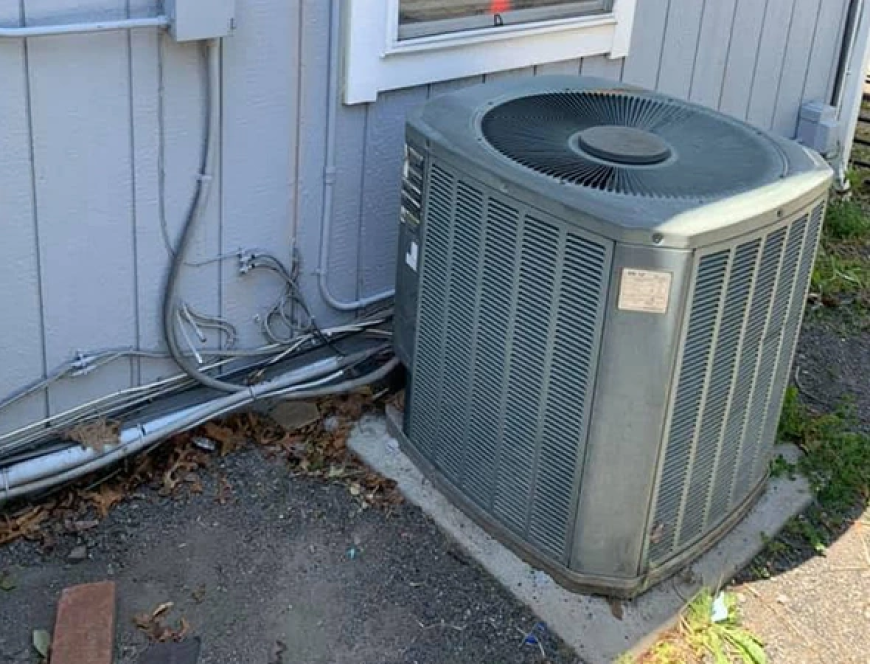
When a furnace quits during a January cold snap or an air conditioner gives out in the middle of a July heat wave, most homeowners suddenly become experts on comfort systems. That crash course usually starts with a bigger question: repair the old unit or replace it entirely? For many households, residential HVAC installation in Santa Rosa, CA becomes the answer once repair bills start piling up faster than the system can keep the house comfortable.
Sonoma County's climate plays a real role in that decision. Warm, dry summers and cool, damp winters push heating and cooling equipment to work across a wide range. A system that struggles with both ends of the spectrum tends to wear out sooner than expected.
Why Installation Matters More Than the Equipment Itself
Homeowners often assume the brand of the unit determines how well it performs. In practice, the quality of the installation matters just as much, sometimes more. A high-efficiency system installed poorly can waste energy and break down early.
Sizing is a common example. An oversized unit cycles on and off too quickly, which wears out parts and leaves rooms unevenly heated or cooled. An undersized one runs constantly and still can't keep up. Proper load calculations account for square footage, insulation, windows, and even how much shade a property gets.
Ductwork is another quiet culprit. Leaky or poorly designed ducts can lose a large share of conditioned air before it ever reaches a room. That's why experienced technicians inspect the whole system, not just the equipment being swapped out.
The Local Factors That Shape a Good System
Older homes across Santa Rosa, CA come with their own quirks. Some were built before modern insulation standards, while others have had additions that changed how air flows through the space. These details influence which system fits best.
Energy costs also weigh heavily. Many residents look at efficiency ratings, such as SEER for cooling, to estimate long-term savings. A more efficient system may cost more upfront but often pays back through lower monthly bills.
Air quality has become a bigger concern too. Wildfire smoke season pushes many families to consider better filtration and sealed ductwork as part of any upgrade. A thoughtful installation can address comfort and healthier indoor air at the same time.
Common Scenarios That Lead to Replacement
Some patterns show up again and again. A system older than 15 years, rising repair frequency, and uneven temperatures between rooms usually signal that replacement makes more financial sense than another patch job.
Nearby communities see the same story. Requests for residential HVAC repair services in Cloverdale, CA often reveal aging units that have simply reached the end of their useful life. In those cases, a repair visit turns into a conversation about long-term replacement instead.
Timing matters as well. Scheduling an upgrade during spring or fall, rather than at the peak of summer or winter, often means more flexibility and less pressure to rush the decision.
What Good Service Looks Like
Reputable contractors tend to share a few habits. They explain their sizing calculations, offer clear written estimates, and walk homeowners through efficiency options without pushing the most expensive choice. Local firms such as MAC Heating and Cooling Inc are among the providers residents encounter when comparing options in the area.
The best experiences usually involve education, not pressure. A technician who takes time to explain why a certain system suits a specific home helps homeowners feel confident rather than confused.
Warranty and maintenance terms deserve attention too. A solid installation paired with routine tune-ups can extend a system's life well beyond the average, protecting the investment for years.
Frequently Asked Questions
How long does a residential HVAC installation usually take?
Most standard installations take one to two days. Larger projects involving new ductwork or major layout changes can run longer, depending on the home's size and complexity.
How do I know whether to repair or replace my system?
A good rule of thumb: if the unit is over 15 years old and repair costs approach half the price of a new system, replacement is often the smarter long-term move.
What size HVAC system does my home need?
Sizing depends on square footage, insulation, window placement, and local climate. A professional load calculation gives a far more accurate answer than square footage alone.
Does a higher efficiency rating really save money?
Higher-rated systems typically use less energy, which can lower monthly bills. The savings depend on usage, local energy rates, and how well the system is installed.
When is the best time of year to replace an HVAC system?
Spring and fall are ideal. Milder weather reduces demand, so scheduling tends to be easier and the home is less affected during the transition.