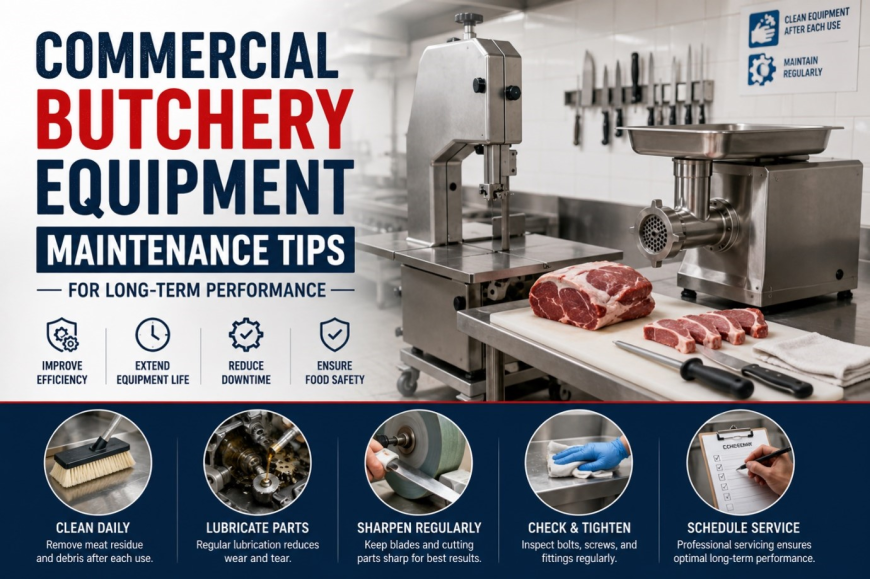
Commercial Butchery Equipment Maintenance Tips for Long-Term Performance
Commercial Butchery Equipment Maintenance
 davidfenton
Ever wondered why some butchery businesses seem to run like clockwork while others constantly battle equipment failures? Have you calculated how much money a single day of downtime costs your business? What if the secret to a thriving butchery wasn't just about quality meat—but about how well you look after your machines?
Running a commercial butchery in Australia demands serious investment in equipment. From band saws and meat grinders to coolrooms and display fridges, your machinery forms the backbone of daily operations. Yet many butchers overlook one crucial factor: consistent maintenance. Without it, even the most expensive equipment will fail prematurely, leaving you with costly repairs and frustrated customers.
Understanding Your Commercial Butchery Equipment
Essential Equipment Every Commercial Butcher Needs
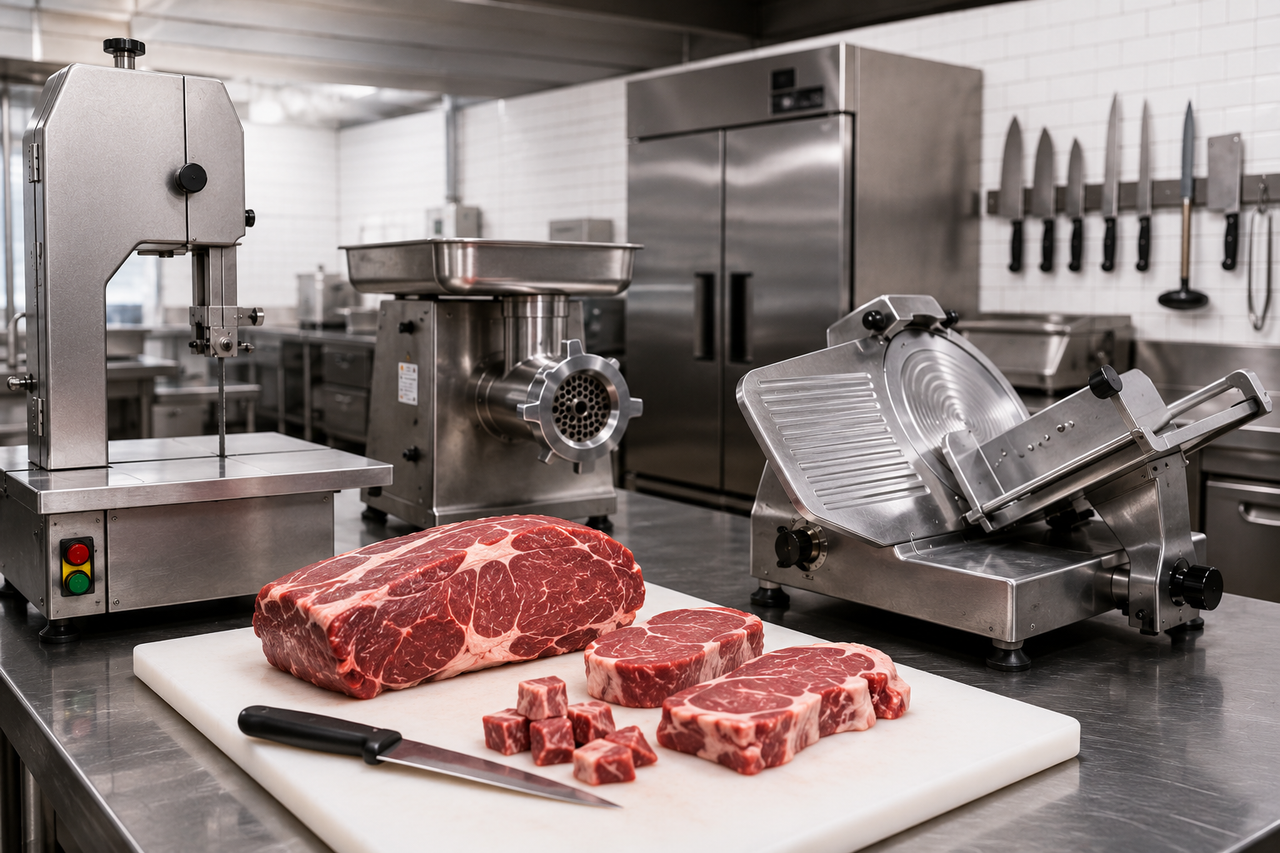
A well-equipped butchery relies on several key pieces of machinery working together seamlessly. Meat slicers handle precise cuts for deli products, while band saws tackle bones and frozen products with ease. Mincers and grinders transform trim into sausage mince, and vacuum sealers extend product shelf life.
Beyond processing equipment, refrigeration plays an equally vital role. Commercial coolrooms store bulk products at safe temperatures, while display fridges showcase your offerings to customers. Each piece of equipment has specific maintenance requirements that, when followed, dramatically improve performance and longevity.
How Long Should Commercial Butchery Equipment Last?
Quality commercial butchery equipment should serve you well for 10 to 15 years—sometimes longer with proper care. Band saws and slicers from reputable manufacturers often exceed these expectations when maintained correctly. Refrigeration units typically last 12 to 20 years, though compressors may need replacement sooner.
The key factor determining lifespan isn't just build quality—it's maintenance consistency. Equipment that's cleaned daily, lubricated regularly, and serviced professionally will always outlast neglected machinery. Think of maintenance as an investment that pays dividends through reduced repair costs and fewer unexpected breakdowns.
Daily Maintenance Routines That Prevent Costly Breakdowns
Cleaning Protocols for Meat Slicers and Band Saws
Daily cleaning isn't optional in a butchery—it's absolutely critical for both food safety and equipment longevity. Start by disconnecting power before any cleaning work. Remove blades carefully, following manufacturer guidelines, and clean them separately using appropriate food-safe detergents.
Wipe down all surfaces that contact meat, paying special attention to areas where residue accumulates. Band saw tables and guides need thorough cleaning to prevent buildup that affects cutting accuracy. After cleaning, dry all components completely before reassembly—moisture is the enemy of metal parts and electrical components alike.
Sanitisation Best Practices for Food Safety Compliance
Cleaning removes visible debris, but sanitisation eliminates harmful bacteria that could contaminate your products. After cleaning, apply food-grade sanitiser to all contact surfaces. Allow appropriate contact time as specified by the sanitiser manufacturer before wiping or air-drying.
Australian food safety standards require documented cleaning and sanitisation procedures. Keep records of daily cleaning activities—this protects your business during health inspections and helps identify patterns if problems arise. Train all staff members on proper sanitisation techniques to maintain consistency across shifts.
What Is the Best Way to Clean Commercial Meat Processing Equipment?
The most effective approach combines hot water, appropriate detergents, and systematic technique. Begin by removing loose debris with a scraper or brush. Apply hot water (60-65°C works well) mixed with a food-safe degreaser. Scrub thoroughly with non-abrasive brushes designed for food equipment.
Rinse completely with clean water to remove all detergent residue. Never use harsh chemicals or abrasive materials that might damage food-contact surfaces or leave residues. Finish with sanitisation and proper drying. This systematic approach, repeated daily, prevents the buildup that causes equipment degradation and food safety issues.
Refrigeration and Cold Storage Maintenance
Maintaining Commercial Coolrooms and Display Fridges
Refrigeration failures spell disaster for any butchery, making regular maintenance non-negotiable. Clean condenser coils monthly—dust accumulation forces compressors to work harder, increasing energy costs and shortening equipment life. Check door seals for damage or gaps that allow cold air to escape.
Monitor evaporator coils for ice buildup, which indicates airflow problems or thermostat issues. Keep coolroom floors clean and clear of debris that might block air circulation. Organise stock to allow proper airflow around products—overcrowding reduces cooling efficiency and creates temperature inconsistencies.
Signs Your Refrigeration Equipment Needs Immediate Attention
Watch for warning signs that demand quick action: unusual compressor cycling, frost buildup in unexpected places, inconsistent temperatures, or strange noises. Water pooling around units often indicates drainage blockages or more serious problems.
Rising energy bills without increased usage suggest declining efficiency—a signal that servicing is overdue. If you notice products not staying cold enough or freezing unexpectedly, investigate immediately. Temperature failures risk product spoilage, customer health, and your business reputation.
How Do You Maintain Temperature Consistency in Commercial Meat Storage?
Temperature consistency starts with proper equipment sizing for your needs. Overloaded coolrooms struggle to maintain even temperatures. Install digital temperature monitoring systems that alert you to variations before they become critical problems.
Position thermometers at multiple points within storage areas to identify hot spots. Avoid placing warm products directly into refrigeration—allow proper cooling first. Minimise door openings during busy periods and train staff on efficient stock retrieval to reduce temperature fluctuations.
Common Butchery Equipment Problems and How to Fix Them
Troubleshooting Meat Grinder and Mincer Issues
Grinders commonly suffer from blade dullness, causing poor texture and increased motor strain. Replace blades and plates regularly—most operations need new cutting components every six to twelve months depending on usage. If mince appears smeared rather than cleanly cut, blades definitely need attention.
Motor overheating usually indicates overloading or inadequate cleaning causing increased friction. Let motors cool completely before resuming operation. Unusual vibrations suggest worn bearings or loose components requiring professional assessment.
Why Is My Band Saw Not Cutting Properly?
Poor cutting performance typically traces to blade issues—dullness, incorrect tension, or improper tracking. Check blade tension against manufacturer specifications and adjust as needed. Examine the blade for damage, missing teeth, or cracks that affect cutting performance.
Misaligned guides cause wandering cuts and premature blade wear. Adjust upper and lower guides to properly support the blade throughout its travel. If problems persist after these checks, the blade likely needs replacement or professional servicing may be required.
When to Repair vs. Replace Your Equipment?
Consider replacement when repair costs exceed 50% of new equipment prices, when parts become difficult to source, or when equipment no longer meets safety standards. Older machines often lack modern safety features and energy efficiency, making replacement sensible despite repair possibilities.
However, quality commercial equipment often justifies repair investment. A well-maintained band saw might need only a new motor after fifteen years—far cheaper than full replacement. Consult experienced technicians for honest assessments of repair viability versus replacement benefits.
Extending Equipment Lifespan: Expert Tips for Long-Term Performance
Beyond routine maintenance, several practices significantly extend equipment life. Train all staff thoroughly on proper operation—misuse causes more damage than wear. Create clear operating procedures and ensure everyone follows them consistently.
Invest in quality from the start. Cheaper equipment often costs more over time through increased maintenance, repairs, and earlier replacement. Establish relationships with equipment suppliers who provide ongoing support and advice.
Document everything. Maintenance logs, service records, and problem histories prove invaluable for identifying patterns and planning replacements. This documentation also supports warranty claims and helps technicians diagnose issues quickly.
Protecting Your Investment Through Consistent Maintenance
Maintaining commercial butchery equipment isn't glamorous work, but it's absolutely essential for business success. The routines outlined here—daily cleaning, weekly inspections, monthly lubrication, and annual professional servicing—form a protective system that keeps your machinery running reliably.
The financial benefits speak for themselves. Preventive maintenance costs a fraction of emergency repairs or premature equipment replacement. Plus, well-maintained equipment operates more efficiently, reducing energy costs while delivering consistent performance your customers depend upon.