Navigating Dental Trauma With a Santa Rosa Emergency Dentist
Learn how a Santa Rosa emergency dentist handles dental trauma, from knocked-out and broken teeth to urgent restorative care and dental anxiety.
 Buzza Dental Group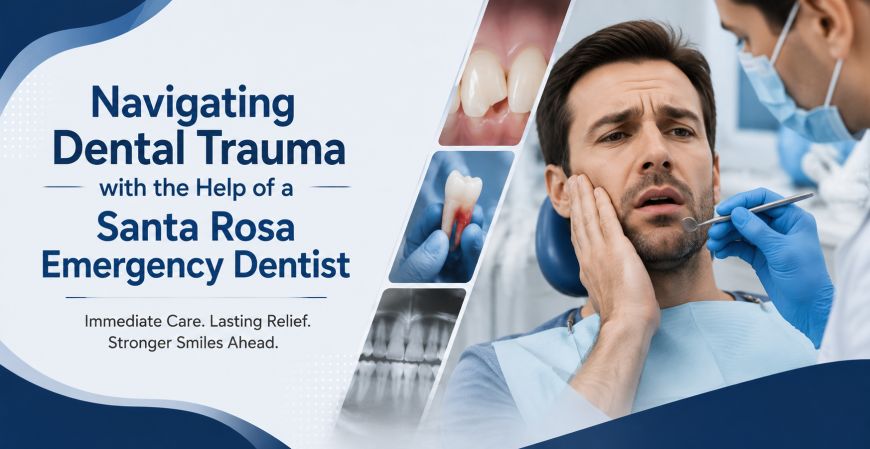
Dental trauma is rarely predictable. A fall, sports collision, vehicle accident, or accidental blow to the mouth can turn a healthy tooth into an urgent clinical problem within seconds. A Santa Rosa emergency dentist can evaluate the visible injury, identify damage that may not be obvious, control pain, and determine whether the tooth can be preserved or requires restorative treatment.
The key is not simply reaching a dental office quickly. The first response, the condition of the injured tooth, and the treatment sequence can all affect the eventual outcome. Prompt evaluation is particularly important for knocked-out, displaced, fractured, or severely painful teeth.

When Dental Trauma Requires Immediate Attention
The most reliable indicator is the combination of injury, pain, bleeding, displacement, or visible structural damage.
Seek prompt dental assessment after:
-
A permanent tooth is knocked out or displaced
-
A tooth is cracked or broken
-
Severe pain develops after an impact
-
A tooth becomes unusually loose
-
Persistent oral bleeding follows an injury
-
The jaw appears injured or misaligned
-
Facial or gum swelling develops
-
A filling, crown, or other restoration is damaged during trauma
The American Dental Association identifies painful swelling, persistent bleeding, tooth pain, and broken or knocked-out teeth among situations requiring dental attention.
When a Dental Injury Becomes a Medical Emergency
Dental trauma can occasionally involve more than the teeth. Significant facial injury, uncontrolled bleeding, loss of consciousness, breathing difficulty, swallowing difficulty, or suspected major jaw or head injury warrants emergency medical evaluation.
A dental office should not be treated as a substitute for emergency medical services when the injury threatens airway, neurological, or systemic health.
The First Response Can Influence Treatment
The period immediately after trauma should focus on protecting the injured area rather than attempting a permanent repair at home.
If a Permanent Tooth Is Knocked Out
Handle the tooth by the crown rather than the root. If it is dirty, gently rinse it without scrubbing the root surface. If appropriate and safe, the tooth may be placed back into its socket; otherwise, keeping it moist while obtaining immediate professional care is important. Milk can be used as a temporary storage medium when immediate reimplantation is not possible.
The critical mistake is delaying care because the mouth does not hurt significantly. A completely displaced tooth can require urgent management even when pain is limited.
If a Tooth Is Broken
Save any broken fragments if possible and rinse the mouth gently. A cold compress against the outside of the cheek may help with swelling while professional assessment is arranged.
Avoid repeatedly touching the damaged tooth with your tongue or attempting to glue the fragment back into position.
How a Santa Rosa Emergency Dentist Evaluates Dental Trauma
Emergency dental treatment begins with diagnosis rather than immediately selecting a restoration.
A dentist may assess:
-
Visible tooth structure — identifying chips, fractures, displacement, or complete tooth loss.
-
Pain and sensitivity — determining whether the pulp or supporting tissues may be involved.
-
Gum and soft-tissue injuries — checking for lacerations, swelling, or embedded fragments.
-
Tooth mobility — evaluating whether supporting periodontal structures have been affected.
-
Bite alignment — determining whether the trauma has altered normal occlusion.
-
Imaging requirements — assessing areas that cannot be evaluated adequately by visual examination alone.
This diagnostic stage matters because trauma can create injuries beneath apparently intact enamel. Treatment based only on what can be seen may miss clinically relevant damage.
Treatment Depends on the Type of Injury
There is no single dental-trauma procedure. Treatment should match the structural damage and the condition of the tooth.
Minor Chips and Limited Fractures
A small fracture may sometimes be repaired with composite bonding. The dentist can reshape the tooth and restore its appearance and function when sufficient healthy structure remains.
Larger Fractures
When more tooth structure has been lost, a crown or another restorative approach may be necessary. The decision depends on remaining tooth structure, function, symptoms, and the extent of damage.
Severely Damaged or Non-Restorable Teeth
If a tooth cannot predictably be preserved, extraction may become necessary. Replacement options can include a dental implant, bridge, or removable prosthesis depending on the patient's circumstances.
For patients eventually considering dental implants Santa Rosa, the immediate emergency treatment and the definitive replacement plan should be viewed as separate stages. Stabilizing tissues and controlling infection or trauma-related complications come before final implant planning.
When a Santa Rosa Restorative Dentist Becomes Part of the Plan
Emergency treatment often solves the immediate problem, but trauma can create a second clinical question: How should the tooth be restored for long-term function?
A Santa Rosa restorative dentist can help evaluate options after the acute injury has been stabilized.
The appropriate restoration may depend on:
-
Amount of remaining natural tooth
-
Root and supporting-tissue condition
-
Location of the damaged tooth
-
Bite forces
-
Cosmetic requirements
-
Patient age and overall oral health
-
Long-term prognosis
A front tooth with a small enamel fracture may require a very different solution from a molar with extensive structural loss.
This distinction prevents a common mistake: choosing treatment based primarily on how the tooth looks immediately after the accident.
Dental Anxiety Can Complicate Emergency Treatment
Pain and fear can reinforce each other during dental emergencies. Patients who already avoid dental care because of anxiety may delay treatment until symptoms become more severe.
A sedation dentist Santa Rosa CA may be relevant when dental anxiety makes necessary treatment difficult to tolerate. Buzza Dental Group specifically describes sedation options for patients experiencing significant dental anxiety during emergency care.
Sedation does not replace diagnosis or treatment. Its role is to help appropriate patients tolerate necessary dental procedures under the supervision and protocols of the treating dental professional.
Common Mistakes After Dental Trauma
Several seemingly reasonable responses can make the situation harder to manage.
Waiting Because the Pain Is Mild
Trauma does not always produce immediate severe pain. A tooth can still require evaluation despite limited symptoms.
Scrubbing a Knocked-Out Tooth
Aggressive cleaning can damage tissues on the root surface. Handle the tooth carefully and follow professional guidance.
Attempting Permanent Home Repairs
Glue, household adhesives, or improvised repairs can complicate professional treatment and should not replace dental evaluation.
Ignoring a Changed Bite
A bite that suddenly feels different after trauma may indicate displacement or injury affecting supporting structures.
Treating Only the Cosmetic Problem
A chipped front tooth may look like a cosmetic issue, but the injury can involve deeper structures. Diagnosis should come before cosmetic restoration.
A Practical Decision Framework After a Dental Injury
Use the following sequence when deciding what to do:
1. Assess the severity.
Is there significant bleeding, severe pain, swelling, displacement, or tooth loss?
2. Protect the injured area.
Avoid chewing on the affected side and preserve any displaced tooth or fragments appropriately.
3. Contact an appropriate dental provider promptly.
Explain exactly what happened, when it occurred, and which tooth or area is affected.
4. Follow the clinical assessment.
The dentist determines whether the injury requires stabilization, restoration, extraction, or additional monitoring.
5. Plan definitive treatment.
Once the acute problem is controlled, restorative options can be evaluated based on long-term function and prognosis.
Buzza Dental Group's emergency dental service specifically addresses cracked, broken, displaced teeth and toothaches requiring immediate attention.
The Long-Term Goal Is More Than Pain Relief
Emergency dentistry should resolve the immediate problem while preserving future treatment options.
A successful trauma plan considers what happens after the first appointment. A temporarily stabilized tooth may require monitoring, restorative treatment, or further evaluation. A tooth that cannot be saved may require a carefully sequenced replacement strategy.
That is why choosing an emergency provider with access to general and restorative dental care can be useful. Buzza Dental Group describes its emergency approach as evaluating damaged teeth, explaining available options, and developing longer-term solutions rather than treating the immediate symptom in isolation.
For patients in Santa Rosa and surrounding Sonoma County communities, the Buzza Dental Group emergency dentist service provides a dedicated resource for evaluating urgent dental problems.
Conclusion
Dental trauma demands a different mindset from routine dental care: protect the injured area, avoid improvised treatment, and obtain professional assessment promptly.
A Santa Rosa emergency dentist can determine whether an injury involves only enamel or extends into the pulp, root, periodontal tissues, or surrounding structures. That distinction guides whether the appropriate response is bonding, a crown, stabilization, extraction, or eventual replacement with options such as dental implants.
The most useful preparation is knowing what constitutes an urgent injury and having a plan before an accident occurs. Prompt, properly sequenced care can protect both the immediate outcome and the long-term health of the smile.
Frequently Asked Questions
1. What should I do if I knock out a permanent tooth?
Handle the tooth by the crown, not the root, and avoid scrubbing it. If appropriate, gently rinse it and seek immediate dental care. A knocked-out permanent tooth is an urgent situation because treatment timing can influence whether the tooth can be preserved. If reimplantation is not possible, keeping the tooth moist during transport is important.
2. Is a chipped tooth considered a dental emergency?
Not every small chip requires emergency treatment, but a chipped tooth should be evaluated when the injury causes pain, sensitivity, significant structural loss, bleeding, or a sharp edge. A dentist can determine whether simple bonding is sufficient or whether deeper damage requires restorative treatment.
3. Can a cracked tooth heal on its own?
A cracked tooth does not regenerate its lost structural integrity. Symptoms may fluctuate, but the crack itself generally requires professional assessment. Depending on its location and severity, treatment may range from monitoring or restoration to more extensive intervention. Delaying evaluation can allow an unstable tooth to fracture further.
4. When should dental trauma be treated at a hospital instead of a dentist?
Dental injuries accompanied by breathing or swallowing difficulty, major facial trauma, loss of consciousness, uncontrolled bleeding, or other potentially life-threatening symptoms require emergency medical evaluation. Dental treatment remains important, but immediate medical stabilization takes priority when broader injuries are suspected.
5. Can an emergency dentist replace a tooth immediately after trauma?
Replacement depends on the injury, the condition of the surrounding tissues, and whether the original tooth can be preserved. Dental implants are generally part of a broader restorative plan rather than an automatic immediate solution. The first priority is evaluating and stabilizing the injured site.
6. Can sedation help patients with dental anxiety during emergency treatment?
Sedation may be appropriate for selected patients whose anxiety makes necessary dental treatment difficult. It should be determined by the treating dental professional based on the patient's health, planned procedure, and appropriate sedation protocol. Buzza Dental Group identifies sedation as an option for patients experiencing significant dental anxiety.
7. What happens if a damaged tooth cannot be saved?
If a tooth is non-restorable, extraction may be necessary. The replacement strategy can then be planned according to the patient's oral health, bone and tissue condition, location of the missing tooth, bite, and preferences. Options may include dental implants, bridges, or removable prostheses.
8. Should I wait until my emergency dentist appointment if swelling gets worse?
Rapidly increasing facial or oral swelling should not be ignored. Swelling accompanied by difficulty breathing or swallowing requires emergency medical attention. For dental-related swelling without those life-threatening symptoms, prompt dental assessment is appropriate because infection can progress beyond the original tooth.