Why Is the Metcal Soldering Iron Tip Ideal for Electronics Rework?
Learn how the Metcal Soldering Iron Tip uses a 2 mm chisel profile, 390°C SFV rating and SmartHeat response for reliable PCB assembly and rework.
 jackzkr317
What Makes the SFV-CH20 Effective for Precision Work?
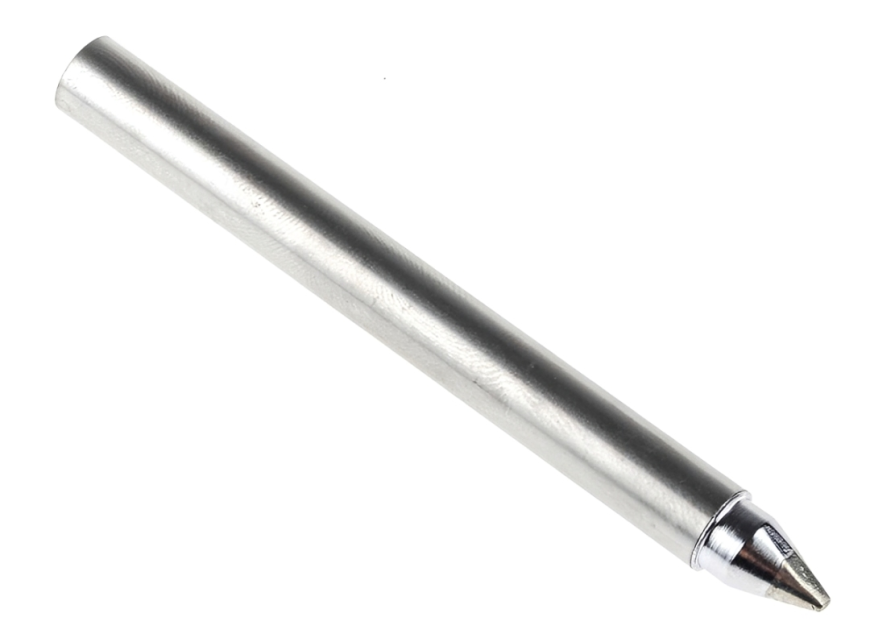
For technicians who need controlled heat delivery across common electronic joints, the Metcal Soldering Iron Tip combines a 2 mm straight chisel profile with the thermal performance of Metcal’s SFV series. When paired with compatible Soldering Irons, Tweezers, Handles equipment, MPN SFV-CH20 supports accurate component placement, efficient heat transfer and repeatable solder-joint formation.
The tip belongs to the Metcal SxV family and has a nominal operating temperature of 390°C. This temperature range is intended for the majority of conventional soldering applications, including PCB assembly, through-hole component work and electronic repair using leaded or lead-free solder.
What Are the Main Specifications of the SFV-CH20?
The Metcal Soldering Iron Tip is designed around a practical geometry and a clearly defined compatibility range. Its principal specifications include:
- Manufacturer: Metcal
- Manufacturer part number: SFV-CH20
- Product type: soldering iron tip
- Model family: SxV
- Tip series: SFV
- Tip shape: straight chisel
- Tip width: 2 mm
- Approximate working length: 11 mm
- Nominal operating temperature: 390°C
- Solder compatibility: leaded and lead-free
- Compliance: RoHS compliant
These specifications make the SFV-CH20 a balanced choice for technicians who need more contact area than a fine conical tip without moving to an excessively wide profile.
Why Does Tip Geometry Affect Soldering Quality?
The geometry of a soldering tip determines how effectively heat reaches the joint. A very fine point may appear precise, but its limited contact area can transfer heat slowly. This may encourage the operator to increase contact time, raise the temperature unnecessarily or press harder against the pad.
The 2 mm chisel face of the Metcal Soldering Iron Tip creates a broader thermal path between the cartridge and the workpiece. Technicians can position the flat face across a component lead and PCB pad, allowing both surfaces to heat together. The narrower edge can also provide additional placement control when working around moderately sized surface-mount components.
Efficient heat transfer can reduce dwell time and help protect pads, laminates and temperature-sensitive components from prolonged exposure. It also supports better solder flow, provided that the surfaces are clean and the selected solder and flux are appropriate.
How Does SmartHeat Technology Support Repeatable Results?
Compatible Metcal systems use SmartHeat technology to respond to changing thermal demand at the joint. When the tip contacts a larger conductor or heat-absorbing component, the system delivers the power required to support temperature recovery. As demand falls, power delivery adjusts accordingly.
This response helps maintain consistent performance across joints with different thermal masses. It does not remove the need for correct technique, but it reduces the tendency to compensate for temperature loss through excessive pressure or extended contact.
The SFV designation represents a nominal 390°C operating point. It is intended for standard soldering duties, while other Metcal tip series are available for lighter thermal loads or applications that require a higher nominal temperature.
Which Metcal Systems Are Compatible with SFV-CH20?
Compatibility should be confirmed before installation because cartridge dimensions, heating technology and handpiece interfaces vary between systems. The listed equipment compatibility includes:
- Metcal PS-900 systems
- Metcal MFR-1120 systems
- Metcal MFR-2220 systems
- Metcal MFR-2222 systems
- PS-HC3 handpieces
- MFR-H2-ST handpieces
The Metcal Soldering Iron Tip should not be selected solely because another cartridge has a similar shape. Always check the station model, handpiece designation and accepted tip family against the equipment documentation.
Where Can the 2 mm Chisel Tip Be Used?
The SFV-CH20 is suitable for electronics tasks where the joint provides enough surface area for its chisel face. Typical applications include:
- Through-hole resistor and capacitor leads
- Medium-sized surface-mount pads
- Connector terminals
- Wire-to-board connections
- PCB assembly and prototyping
- Component replacement
- Production touch-up work
- General electronics servicing
Extremely fine-pitch devices may require a smaller cartridge, while heavy terminals, large ground planes and metal shielding may benefit from a broader tip. Selecting the largest practical tip that fits the joint usually provides more efficient heat transfer than choosing the finest available point.
How Can the Tip Support PCB Rework?
Successful rework requires controlled solder removal before a new connection is formed. Appropriate Soldering, Desoldering, Rework Accessories can help technicians hold boards, manage components and organise heat-resistant workstation materials. Suitable Desoldering Braid, Wick, Pumps products can remove unwanted solder when their size and operating method match the joint.
When using braid, place it over the solder and apply the chisel face to the braid. Remove both the tip and braid together once the solder has flowed into the copper weave. Leaving heated braid on the pad for too long may increase the risk of pad lifting or laminate damage.
After solder removal, inspect the pad and lead before applying fresh solder. The repair surface should be clean, mechanically secure and free from damaged copper or remaining solder bridges.
How Should the SFV-CH20 Be Cleaned and Tinned?
A clean, wetted surface transfers heat more effectively than an oxidised tip. Use suitable Solder Sponges, Tip Cleaners products to remove residues without damaging the protective plating. A sulphur-free damp sponge or approved brass cleaning material is normally preferable to abrasive scraping.
Keep a thin solder coating on the working surface during use and before switching off the system. This protective layer reduces exposure to oxygen and helps the tip wet quickly when work resumes.
Avoid filing, sanding or aggressively scraping the Metcal Soldering Iron Tip. Once the plated surface is damaged, the underlying material can erode rapidly. Tip-restoration compounds should be used only when necessary and in accordance with their instructions.
What Practices Can Extend Tip Service Life?
Several operating habits can preserve performance and reduce premature replacement:
- Use the largest suitable face for the joint.
- Maintain a small solder bridge for thermal contact.
- Avoid pressing hard against pads and leads.
- Do not leave the system operating unnecessarily.
- Keep the working surface tinned during storage.
- Use compatible solder and appropriate flux.
- Allow the cartridge to cool before removal.
- Use the approved cartridge-removal pad rather than pliers.
A darkened surface that no longer accepts solder may indicate oxidation or plating damage. Cleaning and retinning should be attempted before replacement, but a severely eroded or physically damaged cartridge should not remain in service.
What Safety Measures Are Required During Soldering?
A nominal temperature of 390°C presents a serious burn and fire risk. Always return the handpiece to a stable heat-resistant holder when it is not touching the workpiece. Keep cables, plastics, solvents and other combustible materials away from the heated cartridge.
Correctly positioned Fume, Smoke Extraction equipment can capture airborne contaminants close to the joint before they spread through the workstation. Operators should also wear eye protection and wash their hands after soldering, particularly when lead-containing materials are used.
Switch off the system and allow the cartridge to cool before changing it. Never touch the metal section to test whether it is hot, and do not leave an energised handpiece unattended.
Is the Metcal Soldering Iron Tip Right for Your Workbench?
The Metcal Soldering Iron Tip is well suited to technicians who need a versatile 2 mm chisel cartridge for compatible PS-900 and MFR equipment. Its 390°C SFV rating and responsive power delivery support repeatable soldering across common PCB assembly and rework tasks.
Before selecting MPN SFV-CH20, verify the handpiece, joint dimensions and expected thermal load. With correct selection, cleaning and operating technique, the tip can provide accurate placement, effective heat transfer and dependable performance throughout professional electronics work.