What Makes Accelerometer Sensors a Key Technology for Smart Devices, Automation, and Motion Control?
Discover what accelerometer sensors are, how they work, their types, applications, benefits, and role in smart devices, automation, automotive, and industrial technologies.
 joddie25
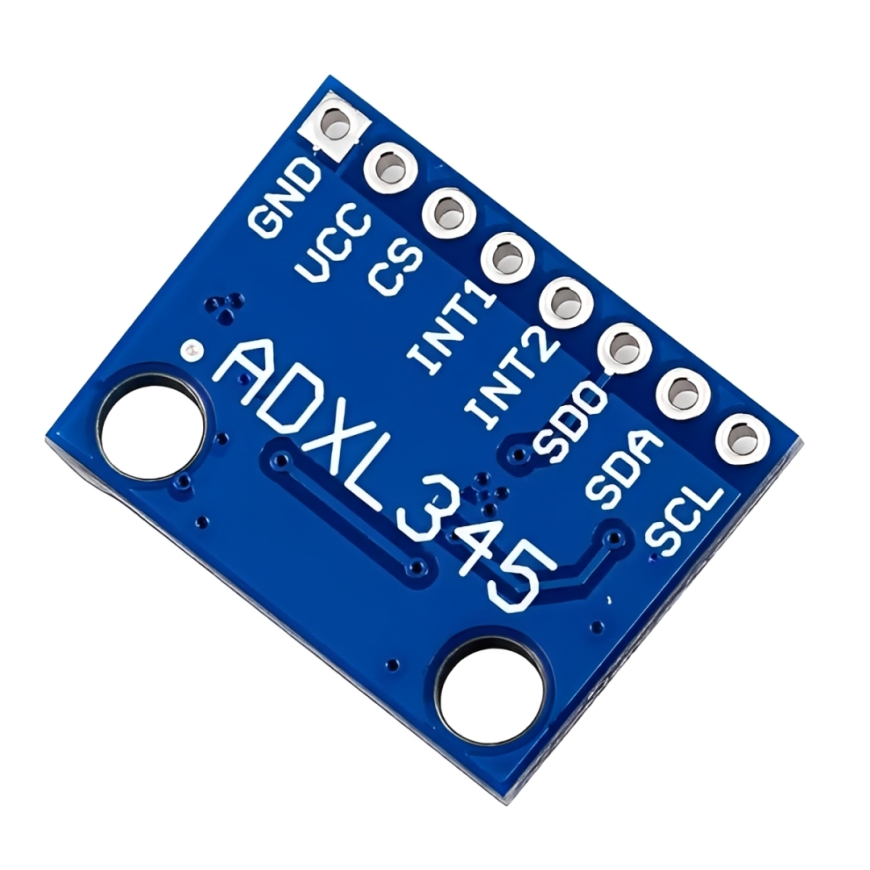
The modern digital world depends on technologies that can sense and interpret changes in the physical environment. Whether it is a smartphone recognising movement, a vehicle detecting a collision, or an industrial machine monitoring its own condition, accurate motion sensing is essential. Accelerometer sensors provide this capability by measuring acceleration and translating physical movement into valuable electronic information.
An accelerometer sensor is a highly sensitive device that detects changes in motion, speed, vibration, and orientation. It allows electronic systems to understand how an object behaves in real-world conditions and respond automatically.
With the expansion of smart electronics, automation, robotics, and connected technologies, accelerometer sensors have become one of the most important sensing components used in modern engineering.
Why Are Accelerometer Sensors Becoming More Important?
The demand for intelligent systems has increased the importance of sensors that can collect accurate environmental and movement data. Accelerometer sensors provide essential information that helps devices make decisions without requiring manual input.
They support advanced functionality by enabling:
- Motion tracking and activity recognition
- Automatic adjustment based on orientation changes
- Vibration and impact monitoring
- Real-time equipment analysis
- Intelligent control systems
- Enhanced safety features
Their ability to provide continuous motion data makes them valuable in applications where accuracy and reliability are critical.
What Does an Accelerometer Sensor Actually Measure?
Although accelerometers are commonly associated with movement detection, they measure acceleration forces rather than movement itself. These forces can occur due to several conditions, including changes in velocity, gravity, and external impacts.
An accelerometer sensor can detect:
- Linear acceleration changes
- Tilting and orientation
- Mechanical vibrations
- Sudden shocks
- Movement patterns
- Position-related changes
By analysing this information, electronic systems can determine how an object is moving and respond accordingly.
How Is Acceleration Detected Inside a Sensor?
The internal structure of an accelerometer sensor is designed to detect tiny physical changes. When acceleration occurs, internal components experience movement or force changes that can be measured electronically.
The detection process involves:
- A sensing element responding to applied force
- Measurement of internal movement or displacement
- Conversion of physical changes into electrical signals
- Digital processing to produce usable acceleration data
Advanced accelerometers can detect extremely small movements, making them suitable for applications requiring high sensitivity and precision.
What Are the Major Applications of Accelerometer Sensors?
Accelerometer sensors are used across a wide range of industries because motion detection is required in many modern systems.
Accelerometer Sensors in Mobile and Consumer Electronics
Consumer electronics rely heavily on compact accelerometer technology. These sensors improve user interaction and enable automatic features that make devices more convenient.
Examples include:
- Smartphone screen rotation
- Motion-based gaming controls
- Camera stabilisation systems
- Laptop protection mechanisms
- Smart wearable devices
Their small size and efficient performance allow manufacturers to include advanced motion capabilities in compact products.
Accelerometer Sensors in Automotive Safety Systems
Vehicle manufacturers use accelerometers to improve passenger safety and driving performance. These sensors continuously monitor vehicle movement and detect sudden changes.
Automotive applications include:
- Airbag triggering systems
- Accident impact detection
- Electronic stability control
- Vehicle movement monitoring
- Advanced driver assistance systems
Fast and accurate acceleration measurement helps automotive systems react quickly during critical situations.
Accelerometer Sensors in Industrial Equipment
Industrial machines generate vibrations during operation. Monitoring these vibrations helps engineers identify performance issues and prevent unexpected failures.
Industrial uses include:
- Machinery condition monitoring
- Rotating equipment analysis
- Factory automation systems
- Motor performance evaluation
- Predictive maintenance solutions
Accelerometers provide valuable information about machine health, helping companies improve productivity and reduce maintenance costs.
Accelerometer Sensors in Healthcare and Wearable Technology
Healthcare technology increasingly depends on sensors that can monitor human activity and movement patterns.
Accelerometer-based healthcare applications include:
- Fitness monitoring devices
- Rehabilitation tracking systems
- Patient activity analysis
- Smart medical wearables
- Movement assessment tools
These sensors help collect accurate information about physical activity and support improved health monitoring solutions.
What Are the Benefits of Using Accelerometer Sensors?
Accelerometer sensors offer several advantages that make them suitable for both simple and advanced applications.
Key benefits include:
- Accurate motion measurement
- Compact and lightweight design
- Low energy consumption
- Fast response to movement changes
- Easy integration with electronic systems
- Reliable operation in different environments
- Support for automated decision-making
These features make accelerometers a preferred choice for engineers developing modern electronic solutions.
How Do Different Industries Select the Right Accelerometer Sensor?
Choosing an accelerometer requires careful consideration of application requirements. Different industries need different levels of accuracy, sensitivity, and durability.
Important selection factors include:
- Required acceleration range
- Measurement accuracy
- Operating temperature conditions
- Expected vibration levels
- Power availability
- Sensor size limitations
- Output communication method
For example, a wearable device may require a low-power compact sensor, while industrial machinery may require a rugged high-performance solution.
What Role Do Accelerometer Sensors Play in Smart Manufacturing?
Smart manufacturing relies on automation, data collection, and intelligent decision-making. Accelerometer sensors contribute by providing real-time information about equipment behaviour.
In smart factories, they help with:
- Automated machine monitoring
- Production optimisation
- Equipment fault detection
- Robotic system control
- Performance improvement
By combining sensor data with analytics platforms, manufacturers can create more efficient and reliable production environments.
How Are Accelerometer Sensors Used with Artificial Intelligence?
Artificial intelligence systems require large amounts of accurate data to identify patterns and make decisions. Accelerometer sensors provide valuable motion information that can be analysed using AI algorithms.
AI-powered applications include:
- Movement pattern recognition
- Equipment failure prediction
- Gesture-based controls
- Autonomous machine operation
- Intelligent monitoring systems
The combination of accelerometer technology and artificial intelligence is creating new possibilities in automation and smart devices.
What Challenges Affect Accelerometer Sensor Performance?
Although accelerometers provide many benefits, their performance can be affected by certain environmental and technical factors.
Common challenges include:
- External vibration interference
- Temperature variations
- Electrical noise
- Calibration requirements
- Sensor alignment issues
- Measurement limitations at extreme conditions
Proper installation, calibration, and sensor selection help overcome these challenges and ensure accurate operation.
Future Development of Accelerometer Sensor Technology
The future of accelerometer sensors is closely connected with the growth of smart systems, automation, and connected devices. Manufacturers are continuously developing sensors with improved accuracy, smaller designs, and lower energy requirements.
Future advancements are expected to include:
- More intelligent sensor processing
- Better integration with IoT platforms
- Advanced vibration analysis capabilities
- Improved battery efficiency
- Enhanced accuracy for autonomous systems
- Greater reliability in industrial environments
These improvements will allow accelerometer sensors to support even more advanced technologies in the coming years.
Conclusion
Accelerometer sensors have transformed the way electronic systems detect and respond to movement. Their ability to measure acceleration, vibration, and orientation makes them essential components in modern devices and industrial solutions.
From smartphones and vehicles to healthcare equipment and automated factories, accelerometers provide the motion intelligence required for smarter and safer technologies.
As industries continue moving toward automation, connectivity, and artificial intelligence, accelerometer sensors will remain a critical technology driving innovation and improving the performance of future systems.