Sound Test (Part E): An Informational Guide for UK Properties
Learn what a Sound Test (Part E) is, when it is required, how testing works and why sound insulation testing matters for UK residential properties.
 cpcertuk
A Sound Test (Part E) is an important assessment for certain residential building projects in the UK. It checks whether walls and floors provide suitable protection against unwanted noise travelling between adjoining homes.
Good sound insulation can make a significant difference to comfort and privacy. It is particularly important in flats, converted properties and newly constructed homes where residents may share walls or floors.
Understanding how Part E testing works can help property owners, builders and developers prepare properly.
What Is a Sound Test (Part E)?
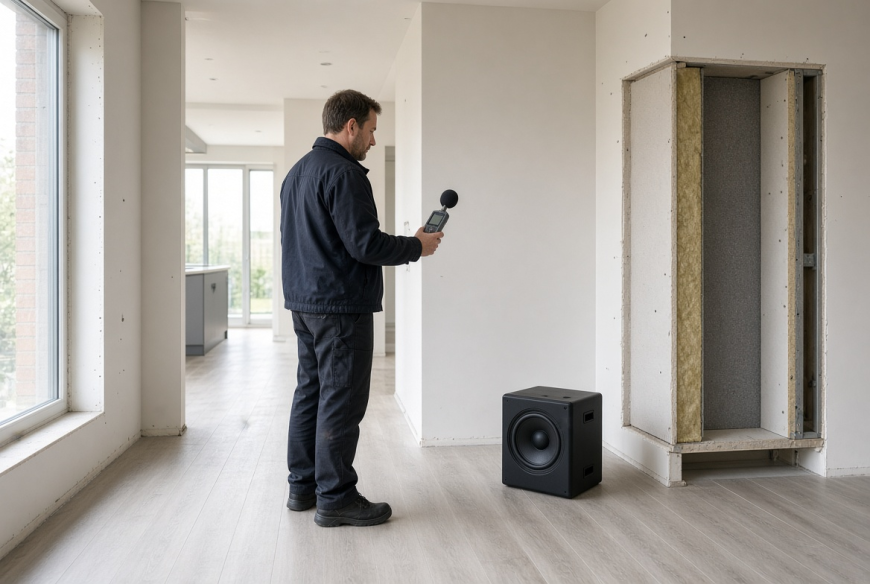
A Sound Test (Part E) measures the acoustic performance of certain walls and floors within a building.
Part E relates to resistance to the passage of sound. The testing process checks whether the construction provides suitable sound insulation between separate residential areas.
The assessment can measure different types of noise transmission, including airborne and impact sound.
The results provide information about the performance of the tested construction.
Why Is Part E Sound Testing Important?
Noise from neighbouring properties can affect everyday comfort. Conversations, television, music and footsteps can all travel through poorly insulated walls and floors.
A suitable sound test helps establish whether the construction has achieved the required acoustic performance.
Testing can also identify problems before a property is occupied. Finding issues at an early stage can make remedial work easier and potentially reduce future costs.
Which Properties May Need Sound Testing?
Sound testing can apply to certain residential construction and conversion projects.
Examples can include:
-
New flats
-
New houses
-
Residential conversions
-
Buildings divided into separate dwellings
-
Certain changes of use
-
Properties with separating walls or floors
The exact requirements depend on the type of project and applicable building regulations.
If you are unsure whether testing is required, it is sensible to discuss the project with Building Control or a qualified professional.
What Does a Sound Test Measure?
There are two main areas that may be assessed during Part E sound testing.
Airborne Sound
Airborne sound travels through the air and can pass through walls, floors and other building elements.
Examples include:
-
Talking
-
Television
-
Music
-
General household noise
-
Telephone conversations
Airborne sound testing measures how effectively the construction reduces this type of noise between separate areas.
Impact Sound
Impact sound is created when something physically strikes or moves across a floor.
Common examples include:
-
Footsteps
-
Dropped objects
-
Moving furniture
-
Children playing
-
Objects being moved across floors
Impact testing helps determine how effectively a floor limits this type of noise transmission.
How Does a Sound Test Work?
A professional tester uses specialist acoustic equipment during the assessment.
For airborne testing, controlled sound is generated in one room. The tester then measures the sound received in another room.
For impact testing, a standardised impact source is used on the floor. Measurements are taken in the room below or adjoining space.
The collected information is then analysed to determine the acoustic performance of the construction.
When Should Testing Take Place?
Timing is an important consideration.
Testing is generally carried out when the relevant parts of the property are substantially complete. Walls, floors and other separating structures need to be in a suitable condition for accurate assessment.
Leaving testing until the final stage of a project can create unnecessary pressure. If a problem is discovered, remedial work may be more difficult once other finishes have been completed.
Planning the test during the construction programme can therefore be beneficial.
What Can Cause a Sound Test Failure?
Several construction problems can affect acoustic performance.
Potential issues include:
Gaps and Openings
Small gaps around walls, floors, doors and service penetrations can allow sound to travel between spaces.
Poor Junctions
The way walls and floors connect can influence sound transmission. Poor detailing can create additional routes for noise.
Insufficient Insulation
If the specified acoustic materials are missing, incorrectly installed or damaged, the building may not achieve the expected performance.
Flanking Transmission
Sound does not always travel directly through a separating wall or floor. It can sometimes travel through connected building elements.
This is known as flanking transmission and can affect test results.
What Happens If a Property Fails?
A failed sound test should be investigated carefully to identify the cause.
The appropriate solution depends on the construction and the problem identified. Remedial work may involve improving insulation, sealing gaps or addressing construction details.
A further test may then be required to confirm that the necessary improvements have achieved satisfactory results.
This is why early testing and proper construction planning are important.
How Can Builders Prepare?
Builders can improve the chances of achieving good results by following the approved construction design and paying close attention to acoustic details.
Important areas include:
-
Separating walls
-
Floors
-
Insulation
-
Service penetrations
-
Junctions
-
Sealing
-
Floor finishes
Materials should be installed according to the appropriate specifications.
Good workmanship is particularly important because small construction defects can sometimes have a noticeable effect on acoustic performance.
Choosing a Sound Testing Professional
The testing organisation should have appropriate experience and qualifications for the type of project being assessed.
When choosing a professional, consider:
-
Relevant experience
-
Appropriate qualifications
-
Testing procedures
-
Professional reporting
-
Clear pricing
-
Availability
-
Understanding of Part E requirements
It is also useful to arrange testing early enough to fit within the project's construction schedule.
Sound Testing for Property Developers
Developers should consider acoustic testing from the beginning of a project rather than treating it as an afterthought.
Including sound insulation requirements within the construction plan can help builders understand the required standards and details.
Developers should also allow sufficient time for testing and any potential remedial work.
This approach can help reduce delays during the final stages of construction.
Sound Testing for Property Owners
Property owners involved in a conversion or new residential development should understand whether Part E testing applies to their project.
Good sound insulation can improve the overall quality of a property and provide greater privacy between adjoining homes.
For owners planning a renovation, discussing acoustic requirements with the relevant professionals before work begins can help avoid problems later.
Final Thoughts
A Sound Test (Part E) is an important consideration for applicable residential construction and conversion projects in the UK. It assesses how effectively walls and floors control airborne and impact sound between separate areas.
Proper planning, suitable materials and careful construction can all contribute to better acoustic performance. Arranging testing at the correct stage also gives builders an opportunity to address problems before the property is completed.
For developers, builders and property owners, understanding Part E requirements can help support better construction quality, improved privacy and a more comfortable living environment.