Why Dimarzio Pickups Are the Key to Unlocking Your Guitar’s Full Potential
 SOLO Music Gear
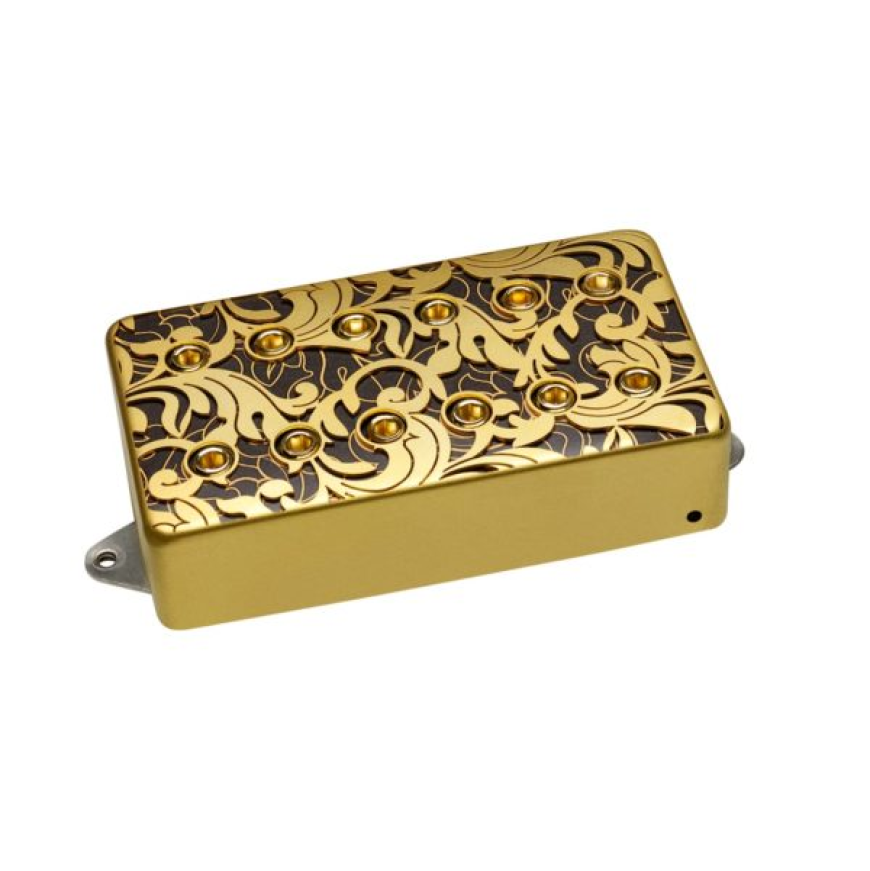
When it comes to shaping your guitar’s sound, one of the most meaningful upgrades you can make is changing what captures the vibration in the first place. Dimarzio Pickups are widely respected for helping an instrument feel clearer, more responsive, and easier to control in real playing. Whether you perform live or record at home, the right upgrade can reduce muddiness, improve balance, and make your picking feel more connected to what comes out of the amp. It can also help your guitar sit better in a mix, without forcing you to over-adjust everything else. Many players notice the difference most when they switch styles during the same session. In this article, we will discuss how DiMarzio pickup installation can help you get more from your guitar.
Clearer notes that do not blur together
A common frustration is when chords feel crowded and single notes lose separation, especially when you play faster or add gain. A solid upgrade can tighten the sound so each string feels easier to hear, even in busy parts. This does not mean making everything sharp or harsh. It means improving definition so your guitar keeps its character while sounding more organized. Clean passages feel more detailed, and driven parts feel less smeared. In a band setting, this clarity matters because it helps the guitar stay present without turning up. For many players, this is the point where the instrument finally feels “finished” rather than limited.
More sustain with better control.
Sustain is not only about how long a note lasts, but also about how stable it feels while it holds. If your notes fade too quickly or lose strength in the middle, an upgrade can help capture a fuller signal and keep the sound more consistent. This supports expressive playing because you can lean into vibrato, bends, and slow melodic lines without feeling like the note disappears early. It also improves dynamics, so soft picking still speaks, and harder attack stays controlled. Instead of forcing your hands to compensate, the instrument reacts with more predictability. That makes practice and performance feel less tiring over time.
A cleaner upgrade process than most expect
Many players avoid upgrades because they imagine a complicated process with endless wiring confusion. In reality, the right preparation makes the work far more manageable, especially when you follow clear diagrams and take small steps. Labeling connections, taking photos before removing parts, and testing before fully closing the cavity reduces mistakes. If you are planning a broader refresh, pairing the work with Dimarzio wiring for guitar upgrades can make the final result feel more consistent across positions. Whether you do it yourself or use a technician, a careful approach prevents noise issues and saves time later. The goal is a clean, stable outcome you can rely on.
Matching your playing style, not a trend
Not every player needs the same response. Some want tight rhythm clarity, others wish to smooth lead feel, and some want a balanced sound that records well without extra effort. What matters is how the guitar reacts to your touch. If you pick lightly, you may want a setup that preserves detail without sounding thin. If you hit hard, you may prefer a response that stays firm and does not collapse. This is also why adjusting height and balance matters after the swap. Small height changes can shift brightness, output, and feel more than many people expect. When the match is right, the guitar feels like it follows you instead of resisting you.
Reliability that holds up in real use
A good upgrade should not feel great for one week and then become unpredictable. Consistency is part of the value, especially for players who practice often, gig regularly, or record across multiple days. A stable setup helps reduce sudden noise, uneven string response, and shifts that make your guitar feel different from session to session. Basic care still matters, like keeping connections secure and checking hardware occasionally, but you should not have to fight the instrument. When the response stays steady, you spend less time troubleshooting and more time playing. That long-term dependability is what makes upgrades worth doing properly.
Conclusion
Upgrading what captures your string vibration can improve clarity, sustain, and overall response in a way that feels immediate while you play. When your guitar holds definition under pressure and stays stable across different styles, the instrument becomes easier to trust. A careful approach and sensible setup adjustments help the change feel natural rather than extreme.
Solo Music Gear supports players and builders with parts, DIY kits, bodies, necks, tools, and practical guidance that help upgrades feel less confusing. The store’s range makes it easier to gather what you need for a clean project, from planning through final setup checks. For many guitarists, that kind of dependable supply and support reduces trial-and-error.
FAQs
Q1. How do I know when an upgrade is worth it?
If your guitar feels muddy, weak, or inconsistent even after adjusting the amp and checking setup, an upgrade may help. The best sign is when you struggle to hear note separation during chords or fast runs. If you’re playing feels right but the output does not, that gap is often the clue.
Q2. Should I change height after the swap?
Yes, height matters a lot. Too close can sound harsh and pull notes out of tune, while too far can feel weak and dull. Start with a balanced position, and then make small changes while playing the same riff. Use your ears, not numbers, and recheck both neck and bridge balance.
Q3. Can I do the work myself safely?
Many players can, as long as they work slowly and stay organized. Take photos, label connections, and test before closing everything up. If soldering makes you nervous, a technician may be better for peace of mind. Either way, careful steps prevent noise and save time later.