Why Choose Ultra Thin Condoms for a More Natural Feel?
 theppop
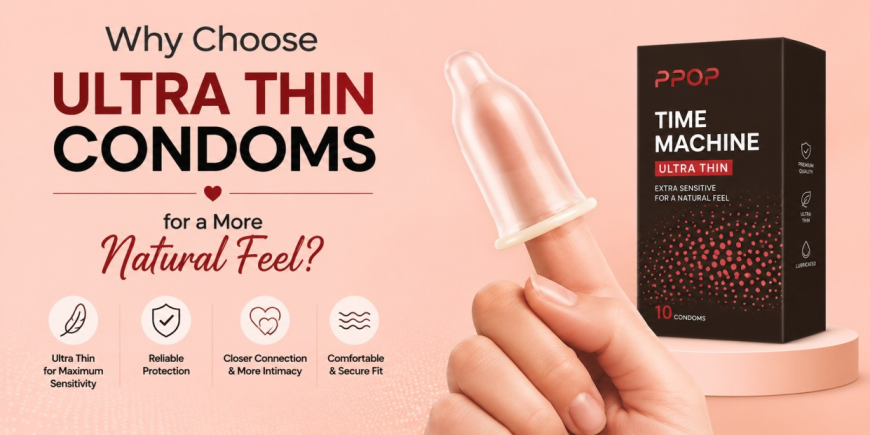
When it comes to intimacy, comfort and sensation can make a significant difference. Many people want reliable protection without feeling like there is a thick barrier between partners. This is where ultra thin condoms can be a popular choice. Designed to be thinner while maintaining the protective function expected from condoms, they can help create a more natural-feeling experience.
What Makes Thin Condoms Different?
Traditional condoms are designed to provide a protective barrier, but some people may find thicker materials reduce sensation. Thin condoms are made with a reduced material thickness, which can allow partners to experience more of the natural warmth, movement, and intimacy.
The goal is not simply to make a condom thinner. A well-designed thin condom should balance sensitivity, comfort, fit, and dependable protection. Choosing a product from a reputable manufacturer and checking its packaging, expiry date, and certification can help ensure proper use.
A More Natural Feeling During Intimacy
One of the biggest reasons people explore thinner options is the desire for a more natural sensation. A thinner barrier may feel less noticeable, allowing couples to concentrate more on closeness rather than the presence of the condom.
This can be particularly useful for people who feel that conventional condoms reduce sensitivity. However, everyone's preferences are different. What feels natural and comfortable for one person may feel different for another, so experimenting with suitable sizes, materials, and lubrication can help identify the right option.
Comfort and the Right Fit Matter
Thickness is only one part of the overall condom experience. Fit is equally important. A condom that is too tight may feel uncomfortable, while one that is too loose may be more likely to slip.
Look for a size that fits securely without excessive pressure. Proper application also matters. The condom should be placed before genital contact, with the tip pinched to remove trapped air and enough space left at the reservoir tip.
Using adequate compatible lubricant can further improve comfort and reduce friction. With latex condoms, oil-based products should generally be avoided because they can weaken latex. Water-based and silicone-based lubricants are commonly compatible with latex, but always check the condom and lubricant packaging.
Exploring Different Condom Textures
Not everyone wants the same type of sensation. Some couples prefer a smooth surface, while others may enjoy textured designs. A dotted condom is created with raised dots intended to provide additional stimulation during intercourse.
Texture can be a personal preference, so communication between partners is important. If either person experiences discomfort or irritation, stop using the product and consider trying a different design or material.
Thin Does Not Mean Less Protection
A common misconception is that a thinner condom must automatically be less reliable. In reality, condom performance depends on the material, manufacturing quality, testing, correct storage, and proper use—not simply on thickness.
Always inspect the wrapper before use and avoid condoms with damaged packaging or an expired date. Store condoms in a cool, dry place away from excessive heat, friction, or sharp objects. Never reuse a condom, and use a new one for every act of intercourse.
When You Want Protection and Sensation
For couples who want a balance between protection and sensitivity, thinner condoms may be worth considering. Meanwhile, people interested in extended-intimacy products may also encounter long lasting condoms, which are designed with features intended to support longer-lasting intercourse.
These products can differ in their construction and intended experience, so it is important to read the packaging carefully. If a condom contains a numbing or desensitizing ingredient, follow the manufacturer's instructions and discontinue use if irritation occurs.
Textured and Delay Options
Condoms are available in many variations, including products marketed toward people who want additional stimulation or greater control during intercourse. For example, climax delay condoms may contain a mild desensitizing ingredient intended to reduce sensitivity and help some users delay ejaculation.
Such products should always be used according to their instructions. Partners should also be aware of any active ingredients, particularly if there is a possibility of skin sensitivity or irritation.
Some textured products go beyond simple dots and may use more pronounced patterns. An extra dotted condom design can provide a different type of stimulation compared with a standard smooth condom. Again, comfort should be the priority, and communication between partners can help determine whether a particular texture is enjoyable.
How to Choose the Right Option
When choosing a condom, consider more than just thickness. Think about size, material, lubrication, texture, and any additional features you may want. If you have experienced irritation with latex condoms, non-latex alternatives may be worth discussing with a healthcare professional or trying according to product guidance.
Most importantly, use condoms correctly every time. Check the package, use the correct size, apply it before genital contact, and dispose of it after use.
FAQ
Are ultra-thin condoms safe?
When manufactured to appropriate standards and used correctly, thin condoms can provide protection against pregnancy and sexually transmitted infections. Always follow the manufacturer's instructions.
Do thinner condoms feel more natural?
Many users prefer thinner condoms because they can feel less noticeable. However, sensation is subjective and can vary between individuals.
Can I use lubricant with thin condoms?
Yes, but compatibility depends on the condom material. Check the packaging before choosing a lubricant.
Can textured condoms improve sensation?
Textured designs may provide additional stimulation for some couples. Preferences vary, so communication and comfort are important.
Should I use two condoms for extra protection?
No. Using two condoms at the same time can create additional friction and increase the chance of breakage. Use one condom correctly at a time.
Disclaimer
This article is for general educational purposes only and does not replace professional medical advice. Condoms can reduce the risk of pregnancy and sexually transmitted infections when used correctly, but no contraceptive method provides complete protection. Always read and follow the instructions provided with the specific product.