Why Choose a Siemens PLC I/O Module for Automation?
 jackzkr317
Introduction
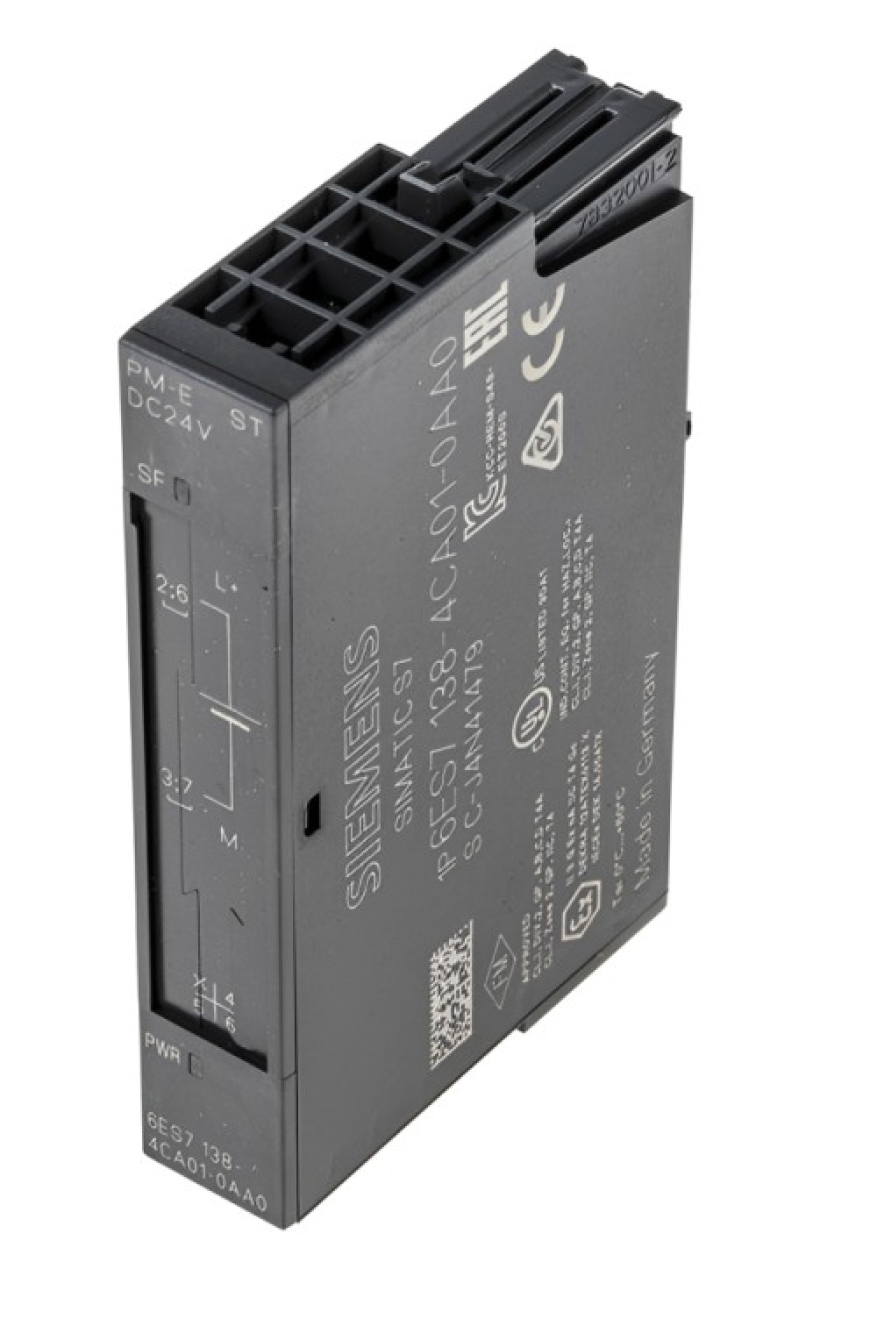
A Siemens PLC I/O Module is a vital component in industrial automation systems. It enables a programmable logic controller to receive signals from field devices and send commands to machines and equipment. In other words, it creates the connection between digital control logic and physical operations. Because of this role, it is widely used in manufacturing, process control, and electronics applications that require speed, accuracy, and consistent performance.
What a Siemens PLC I/O Module Does
A PLC is designed to process logic and make decisions. However, it cannot directly sense field conditions or operate machinery without the right interface. A Siemens PLC I/O Module provides that interface by handling both incoming and outgoing signals.
Input channels collect data from devices such as sensors, switches, and monitoring equipment. Output channels send instructions to devices such as relays, contactors, alarms, and LEDs. As a result, the PLC can react to changes in the system and manage equipment in real time.
This communication is essential in any automated process. Without it, the controller would not be able to interact with the machines it is meant to manage.
Why Siemens PLC I/O Modules Are Widely Used
Siemens products are well known in industrial environments for their dependable, scalable automation. Their I/O modules are designed to work efficiently in control systems that require accurate signal processing and strong compatibility with PLC platforms.
These modules are valued for several reasons:
- Reliable signal transmission
- Fast system response
- Flexible expansion options
- Easy integration with controllers
- Consistent industrial performance
In addition, they help simplify structured wiring through organised cables and connectors. This improves installation quality and makes long-term maintenance easier.
Understanding Input and Output Functions
To understand the purpose of a Siemens PLC I/O Module, it is useful to look at input and output functions separately.
Input Side of the Module
The input side receives signals from field devices and forwards them to the PLC for analysis. These signals may come from:
- Proximity sensors
- Limit switches
- Safety devices
- Temperature sensors
- Push buttons
For example, when a sensor detects the position of a moving part, the input module passes that information to the controller. The PLC then decides what action to take next.
Output Side of the Module
The output side sends commands from the PLC to field equipment. These commands may operate:
- Contactors
- Solenoid valves
- Signal lights
- Warning alarms
- LEDs
Because of this, the controller can start, stop, or adjust machinery based on the logic programmed into the system.
Common Types of Siemens PLC I/O Module
Different automation tasks require different kinds of signal handling. Siemens offers several module types to match those needs.
Digital Modules
Digital modules work with signals that are simply on or off. They are used in many machine control applications where devices operate in clear states.
Typical uses include:
- Reading safety switches
- Detecting sensor signals
- Controlling contactors
- Activating indicators
- Operating alarms
Digital I/O is especially useful when speed and straightforward control are priorities.
Analogue Modules
Analogue modules handle variable signals that represent changing process values. These values may include:
- Temperature
- Pressure
- Flow
- Level
- Speed
For example, in a system that manages thermal conditions, analogue inputs can read temperature data and help the controller make precise adjustments. This is particularly important in applications involving thermal pads, cooling systems, or controlled oil circulation.
Special Purpose Modules
Some systems need additional control capabilities. Siemens also offers modules for:
- High-speed counting
- Motion applications
- Communication interfaces
- Process monitoring
- Advanced diagnostics
These options allow engineers to build more capable automation systems without losing modular flexibility.
How It Works in an Industrial Environment
In a typical industrial application, field devices constantly send signals to the PLC through the input module. The controller reads the data, compares it with the programmed logic, and decides what to do. It then sends output commands through the module to control the connected equipment.
For instance, a production machine may use sensors to detect product presence, switches to confirm access door position, and thermal detectors to monitor heat. If the PLC identifies an unsafe or incorrect condition, it can trigger alarms, stop motors, or activate cooling devices through output channels.
This process happens continuously. Therefore, a Siemens PLC I/O Module helps maintain smooth and responsive system control throughout daily operation.
Applications Across Different Industries
A Siemens PLC I/O Module is suitable for a broad range of industrial sectors. Since automated control is used in many environments, these modules support a wide variety of equipment and processes.
Common applications include:
- Factory automation
- Packaging systems
- Water treatment facilities
- Energy and utility systems
- Automotive production
- Building management
- Electronics manufacturing
In electronics settings, modules may be used alongside microcontrollers, microprocessors, capacitor testing equipment, and monitoring sensors. In larger industrial plants, they may connect to controllers that manage pumps, drives, switches, and safety circuits across multiple areas.
Benefits for Engineers and Maintenance Teams
The right I/O module can improve more than just machine operation. It also helps the people who install, monitor, and maintain the system.
Better Expansion Options
Modular control systems are easier to scale. Engineers can add more channels for sensors or outputs as the system grows.
Easier Troubleshooting
Many Siemens modules support clear status indication. This helps technicians identify wiring faults, failed fuses, damaged connectors, or device communication issues more quickly.
Improved Installation Standards
With compatible accessories, organised cables, and clean layouts, engineers can build neater control panels that are easier to service later.
Greater Operational Safety
Reliable signal handling supports safer processes. When linked correctly with safety switches and monitoring devices, the module helps reduce operational risk.
Supporting Components Around the Module
A Siemens PLC I/O Module performs best when it is part of a well-designed system. Several supporting parts contribute to better performance and reliability.
Important supporting components include:
- Cables for clean signal routing
- Connectors for secure wiring connections
- Fuses for electrical protection
- Tools for installation and testing
- Grips for organised cable management
- Power supplies for stable control operation
In many modern systems, laptops are also used for programming, monitoring, and diagnostics. This makes system setup and service more efficient for technical teams.
What to Check Before Choosing a Module
Selecting the correct I/O module is an important step in system design. Engineers should consider both current requirements and future expansion.
Key factors include:
- Number of input and output points
- Signal type needed
- Electrical ratings
- Compatibility with the PLC
- Space available in the cabinet
- Environmental conditions
- Required safety level
A system that starts with simple sensors and switches may later need additional capacity for controllers, thermal monitoring, or specialised process devices. Planning ahead can reduce upgrade costs later.
Final Thoughts on Siemens PLC I/O Module Value
A Siemens PLC I/O Module is a key part of efficient automation. It links the PLC with sensors, switches, contactors, and other field devices so that machines can respond accurately to changing conditions. As a result, it improves control, safety, and process reliability in many industrial environments.
When chosen carefully and installed with the right cables, connectors, and protective components, it supports strong long-term system performance. For businesses that depend on dependable automation, this module remains a practical and trusted solution.