Why Children's Designer Glasses Are Worth the Investment for Kids' Eye Health
 eyellbethere
If you've ever watched your child squint at the whiteboard, hold a book too close to their face, or rub their eyes after a long day at school, you already know how much vision affects everything else — learning, confidence, even mood. So when the eye doctor finally says the word "glasses," a lot of parents feel two things at once: relief that the problem has a name, and a little anxiety about what comes next. Will my kid actually wear them? Will they get stepped on, sat on, or lost within a week? And do we really need to spend extra on designer frames when the basic pair from the clinic would technically do the job?
It's a fair question. But once you look past the price tag, children's designer glasses aren't really a luxury purchase — they're a practical one. Here's why they're worth it, and how a little planning (including trying frames at home before you commit) can save you a lot of frustration down the road.
It's Not About the Label, It's About the Build
"Designer" tends to conjure images of logos and markup, but for kids' eyewear, the term usually points to something more useful: better materials and smarter engineering. Cheap frames are often made from brittle plastic that snaps under the everyday abuse of a seven-year-old's backpack. Designer children's frames, on the other hand, are typically built with flexible, spring-loaded hinges, lightweight materials like TR90 or memory metal, and rounded edges designed specifically for smaller faces.
That difference matters more than it sounds. A child's skull, nose bridge, and ears are still developing, and a poorly fitted frame doesn't just look wrong — it can cause real discomfort, slide down constantly, or press uncomfortably behind the ears. When that happens, kids stop wearing their glasses altogether, which defeats the entire purpose of getting them prescribed in the first place. Well-designed frames are made to actually stay on a moving, playing, monkey-bar-climbing kid, which means the prescription actually gets used.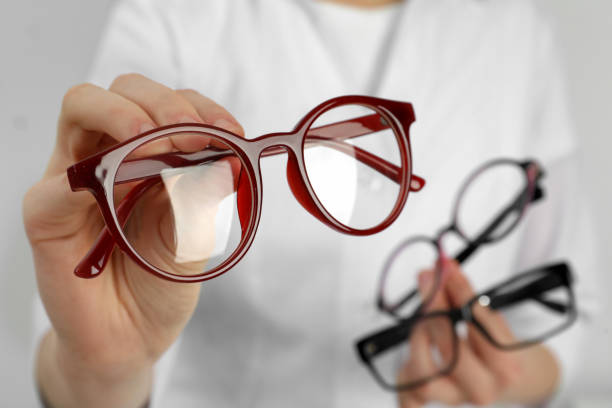
Comfort Is a Compliance Issue
Pediatric eye specialists will tell you the same thing again and again: the best glasses are the ones your child will actually keep on their face. Vision correction only works if it's consistent. A pair of glasses sitting in a backpack because they pinch or slip isn't helping anyone's eyesight.
This is where investing a bit more upfront tends to pay off. Quality frames distribute weight evenly across the nose and ears, reduce pressure points, and hold their shape even after being dropped, chewed on, or sat on (it happens more than parents like to admit). Some designer kids' lines also offer adjustable nose pads and temple tips, so the fit can grow slightly with the child rather than becoming useless the moment their face changes shape.
Protecting Developing Eyes
Children's eyes are still growing well into their teenage years, and uncorrected or poorly corrected vision during this window can lead to lasting issues, including amblyopia (commonly known as lazy eye) if left unaddressed. Quality lenses paired with a properly fitted frame aren't just about seeing the board clearly today — they're part of protecting how a child's visual system develops over time.
Many designer children's glasses also come standard with scratch-resistant coatings, UV protection, and impact-resistant lenses, which matter a lot more for kids than adults simply because kids are harder on everything they own. A scratched lens isn't just annoying; it can actually distort vision and strain young eyes further.
Style Actually Matters to Kids
There's a psychological piece to this too, and it's easy to underestimate. Kids who feel self-conscious about their glasses are far more likely to "forget" them at home or refuse to wear them at school. Letting a child pick from a selection of frames they genuinely like — bold colors, fun patterns, a shape that feels like "them" — turns glasses from something imposed on them into something they choose for themselves. That sense of ownership goes a long way toward getting a five-year-old (or a moody eleven-year-old) to actually wear their glasses without a daily argument.
The Trouble With Buying Sight Unseen
Here's the catch with all of this: photos and size charts online only tell you so much. A frame that looks perfect on a model or in a catalog image can look completely different — and fit completely differently — on your child's actual face. Optical stores solve this by letting you try things on in person, but that usually means dragging a tired, wiggly kid through a store, waiting for an available associate, and trying to get an honest opinion out of a child who just wants to leave.
This is exactly why the option to try frames at home has become such a game-changer for families. Instead of guessing based on a screen, you get to see the actual frames on your actual child, in a space where they're relaxed rather than overstimulated. You can compare a few different styles side by side, get a second opinion from another family member, and let your child take their time deciding without a line of customers waiting behind them. For kids who feel anxious in busy retail environments — including many special needs children — this kind of low-pressure, familiar setting can make the entire process dramatically easier.
Services like Eye'll Be There were built around exactly this idea: bringing a curated selection of frames, along with prescription lens options and one-on-one guidance, directly to your home across Virginia, Maryland, and Washington D.C. Instead of rushing a decision in a store, families get the time and comfort to find a pair their child will genuinely want to wear.
The Bottom Line
Children's designer glasses aren't about status — they're about durability, fit, comfort, and giving your child a reason to actually wear their prescription every day. Combine that with the ability to try frames at home, and you remove most of the guesswork and stress from a process that can otherwise feel overwhelming for both parents and kids.
Good vision shapes how children learn, play, and see themselves. A little extra thought into the glasses they wear is a small investment with a genuinely long payoff.