Why British Schools in the UAE Invest in After-School Activities
After-school activities are an important part of British curriculum schools in the UAE. They help children build confidence, teamwork, leadership, creativity, and social skills alongside academic learning. From sports and STEM clubs to arts and community programmes, these activities support well-rounded development and prepare students for future success.
 smithjack123
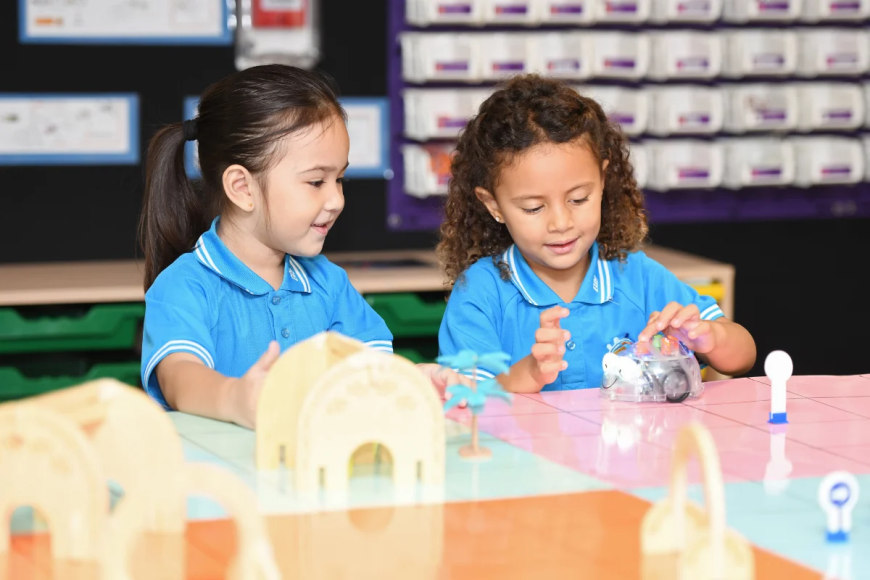
In the UAE, many British curriculum schools do not end the school day at 2 pm. The campus often stays active into the afternoon, with students moving between different extracurricular activities.
This extended schedule may seem like extra school hours, but it is actually a structured part of the learning experience.
These programmes are designed to develop confidence, team work, creativity and leadership skills that are just as important as academic results.
For parents comparing schools, this approach shows what good education actually means. It is not just about exam results, but also about how well after-school activities support a child’s overall development beyond the classroom.
What After-School Activities Do British Schools in the UAE Offer?
British curriculum schools in UAE have a variety of extracurricular activities. Schools encourage students to explore different interests and develop new skills outside the classroom.
After school activities fall into three categories:
Sports and Physical Activities
Schools offer football, swimming, cricket, athletics, basketball, and newer options such as padel and taekwondo. These activities keep children active while helping them develop teamwork, discipline and ability to work towards shared goals
Academic and STEM Clubs
Students who enjoy problem- solving skills can choose from clubs such as coding, chess, science and Model United Nations. These activities give them the chance to apply what they learn in class through practical projects, discussions and competitions. As a result learning becomes more interesting and engaging.
Creative and Community Activities
Students can enjoys activities like drama, music, art, debate and community service programmes. These activities help students express themselves and build confidence. They also improve communication skills and develop a sense of responsibility toward others.
Many British schools review and update their after-school offerings each term, giving students the opportunity to try new activities and discover new interests as they grow.
Why After-School Activities Are Core to the British Curriculum
The British curriculum follows the idea that children learn and grow both inside and outside the classroom. That is why after-school activities are considered an important part of student’s overall education.
School inspections do not focus only on academic results. They also consider how schools help children develop beyond the classroom.
These include key factors such as:
l Personal development and well-being
l Leadership opportunities
l Participation in after-school activities
Because of this, schools invest in co-curricular activities as part of the overall learning experience. They play an important role in school quality and help children develop skills that cannot always be learned in the classroom alone.
How School Clubs Benefit Primary-Age Children in Sharjah
Schools in Sharjah offer a wide range of clubs for primary age students. These clubs encourage students to learn new skills, make friends and discover new interests they may not find in the classroom.
l Building social skills: Clubs bring students together from different classes and year groups. They help them make new friends and learn how to work with others.
l Growing confidence: Participating in a school play, taking part in a debate, or presenting a robotics project, helps children become more confident speaking and sharing their ideas.
l Reducing screen time: Instead of spending the afternoon on phones or tablets, children stay active and engaged in a structured environment.
l Discovering new interests: Trying different clubs gives children the opportunity to find hobbies and talents they genuinely enjoy.
These clubs become the place where children build confidence, develop new skills, and discover what they enjoy most. Sometimes, a simple club can spark an interest that stays with them for years.
Character Building Through Holistic School Programs
Education is more than grades. Children also need opportunities to build confidence, take responsibility and learn how to deal with challenges.
Many schools encourage this through experiences such as:
l Resilience: Children learn that how to handle setbacks, whether they losing a match or making a mistake during a performance. They learn to keep trying and improve.
l Leadership: Taking on roles like team captain or club leader teaches children how to guide others, make decisions, and work as part of a team.
l Responsibility: Through community projects and group activities, children learn the importance of helping others and taking responsibility for their actions.
This is what a well-rounded education is all about. These skills are just as valuable as academic knowledge and can benefit them throughout their lives.
How to Balance Academics and Activities for Kids in UAE Schools
Every child has a different capacity. While some enjoy taking part in several clubs, others may need more time to relax after school. Finding a routine that works for your child is often more important than participation in too many activities.
A few simple habits can help:
l Limit your child to two or three clubs each term. Taking part in fewer activities often means they enjoy them more and stay committed.
l Leave at least one afternoon free every week. Children also need time to relax, play, or simply do nothing.
l Choose clubs based on your child’s interest. They are usually more enthusiastic when the decision is theirs.
l Pay attention to how they are managing. If they seem tired, stressed, or their grades begin to slip, it might be time to cut back.
l Stay in regular contact with teachers. They can often tell you whether your child is balancing schoolwork and other commitments well.
The goal is to give your child the right mix of learning, rest and opportunities to explore their interests.
Choosing a School That Prioritizes Well-Rounded Education
It is important to find out how a school supports your child beyond the classroom before enrolling your child.
Here are a few questions you can ask:
l Clubs: How many are available each term, and are they included in the school fees?
l Staff: Are the clubs led by school staff or external coaches?
l Student participation: How does the school encourage students to take part and develop new skills?
l Variety: Does the school regularly introduce new clubs based on students' interests?
Schools that prioritise a well-rounded education invest in opportunities that help children grow both inside and outside the classroom. At The Hope English School, students are encouraged to explore a range of clubs, sports, and creative programmes that support their overall growth.
Conclusion:
A child's education does not end when the final lesson finishes. The skills they develop through after-school activities often stay with them long after their school years.
Frequently Asked Questions:
What after-school activities do British schools in the UAE offer?
Most schools offer a mix of sports (football, swimming, athletics), academic clubs (coding, chess, MUN), and creative programmes (drama, art, music), usually updated termly.
How do school clubs benefit primary-age children in Sharjah?
They build social skills, confidence, and healthy routines and reduce screen time. They also help children to discover interests they would not encounter in the standard curriculum.
How many after-school activities should my child do at once?
Most educators recommend two to three per term, with at least one free afternoon every week.This gives children time to enjoy their interests while still having time to study, rest, and spend time with family.
Are after-school clubs included in school fees?
It depends on the school. Some clubs are included in the tuition fees. Others especially those led by specialist coaches or instructors, such as swimming may require an additional fee. It is always a good idea to check during the admission process
Do after-school activities affect academic performance?
When children have a balanced schedule, after-school activities can help improve time management, organisation, confidence, and focus. It may have a positive impact on their academic performance.