What Makes a Facelift Surgery Procedure in Delhi Personalized?
Discover how a personalized facelift surgery procedure in Delhi adapts to individual facial anatomy, bone structure, and aging patterns for natural results.
 medesthetiks
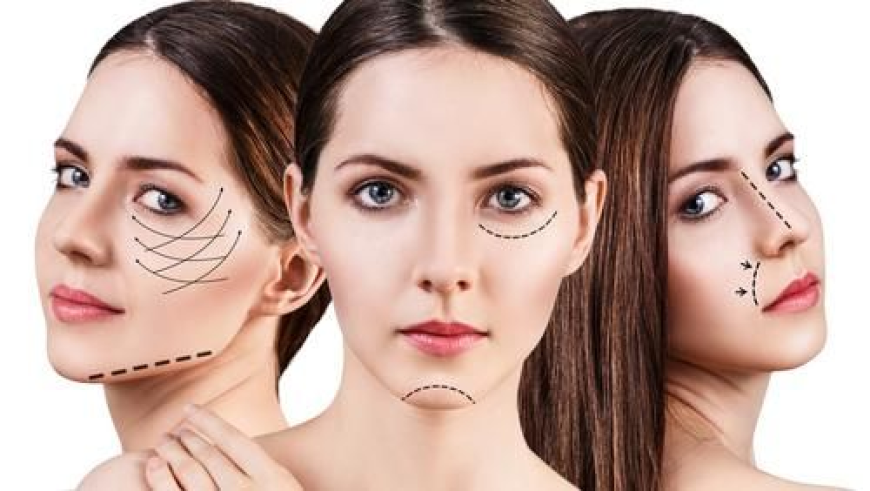
Facial aging is a highly individualized biological journey. While time, gravity, and cellular changes affect everyone, no two human faces mature in precisely the same manner. Bone density, muscular tone, skin thickness, lifestyle habits, and genetic predispositions all dictate how soft tissue shifts over time. Consequently, attempting to address facial laxity with a standardized, one-size-fits-all approach often yields unsatisfactory, wind-tunnel, or unnaturally stretched results.
A modern, highly effective facelift surgery procedure in Delhi relies entirely on bespoke anatomical planning. True facial rejuvenation goes far beyond surface-level skin tightening; it requires a deep structural understanding of an individual's unique facial architecture. By tailoring vector angles, tissue manipulation levels, and volumetric adjustments to match each patient's natural contours, plastic surgeons can restore youthful vitality while safeguarding authentic facial identity.
The Paradigm Shift: Moving Beyond One-Size-Fits-All Facial Rejuvenation
Historically, facial rejuvenation procedures focused predominantly on pulling and trimming surface skin horizontally. While this approach temporarily smoothed wrinkles, it frequently left patients with flattened features, widened mouths, and distorted earlobes. Modern aesthetic plastic surgery has completely transformed this philosophy by prioritizing deep structural repositioning.
Today, customization sits at the core of surgical philosophy. Individualized surgical planning treats the face as a multi-layered, three-dimensional structure. Rather than forcing every patient into a single surgical template, the operating surgeon analyzes how specific anatomical layers—including the dermis, sub-dermal fat, and the superficial musculoaponeurotic system (SMAS)—have shifted. This ensures that the structural tension is placed squarely on deep, resilient tissue layers, allowing the overlying skin to lay smoothly without unnatural stress.
Anatomical Diversity: How Unique Bone Structure and Skin Thickness Dictate Technique
The underlying skeletal framework serves as the foundation for all facial soft tissues. High cheekbones, a strong mandibular angle, and prominent chin projection provide excellent structural support, whereas recessive skeletal features offer less natural anchorage for aging soft tissue. A personalized surgical strategy evaluates these underlying bony contours before making a single incision.
Skin thickness and dermal elasticity also vary dramatically from person to person. Thick, heavy skin with substantial sub-dermal fat requires different structural support and vector tension than thin, fair skin with minimal subcutaneous tissue. For patients with heavy facial tissues, deep tissue release and robust vertical suspension are essential to prevent recurrent sagging. Conversely, patients with thin skin require delicate tissue handling and meticulous suture placement to prevent visible surface contour irregularities.
Vector Precision: Customizing the Angle of Lift for Authentic Rejuvenation
One of the most critical elements of a customized facelift is determining the precise vector—or direction—of tissue elevation. Aging soft tissues generally slide downward and forward toward the nose and mouth under the influence of gravity. However, the exact angle of displacement differs based on individual facial shape and midface laxity.
Standard horizontal pulling creates an unnatural, lateral distortion that flattens cheeks and widens facial features. Personalized vector planning utilizes vertical or diagonal suspension angles specifically calibrated to counteract the patient's exact pattern of descent. Elevating tissues vertically back over the cheekbones re-establishes natural midface fullness and restores smooth transitions between the lower eyelids, cheeks, and jawline without altering the patient's core facial character.
Tailoring Tissue Layers in a Facelift Surgery Procedure in Delhi
Surgical execution must adapt to the depth and severity of structural tissue migration. An experienced facelift surgeon in Delhi chooses from several deep-tissue management techniques depending on the patient's individual anatomical requirements:
-
SMAS Plication: Ideal for patients with moderate lower-face laxity and good underlying skin elasticity. This technique folds and sutures the SMAS layer onto itself, tightening the deep muscular framework without extensive deep-layer dissection.
-
SMASectomy: Beneficial for individuals with excess tissue bulk along the lower cheeks and jowls. A small section of the SMAS is strategically removed, allowing the remaining tissue to be repositioned tightly for a refined, sculpted jawline.
-
Extended SMAS and Deep Plane Approaches: Essential for patients with significant midface ptosis, deep nasolabial folds, and heavy lower-face drooping. By releasing facial retaining ligaments in deeper planes, the cheek fat pad and SMAS layer are mobilized as a unified unit and elevated to a higher position.
Customizing the surgical depth ensures that each patient receives exactly the amount of structural correction required—neither under-correcting severe laxity nor over-operating on subtle aging signs.
Gender-Specific Customization: Preserving Distinct Masculine and Feminine Features
Gender-specific anatomical differences play a vital role in personalized facial plastic surgery. Male and female faces possess distinct structural characteristics, skin densities, and hair growth patterns that require highly specialized surgical approaches.
Female facial restoration typically focuses on re-creating soft, heart-shaped or oval contours, high cheek projection, and a smooth, elegant jawline. In contrast, male facial restoration emphasizes maintaining sharp angular lines, a strong jawline, and a prominent chin without creating overly rounded or feminine cheek volume. Furthermore, incision placement in male patients must be meticulously planned around beard-bearing skin and sideburns to avoid dragging hair follicles into the ear canal or altering natural hair-bearing lines.
Volumetric Balancing: Combining Tissue Repositioning with Strategic Fat Grafting
Facial aging involves two concurrent processes: tissue descent (sagging) and volumetric deflation (loss of subcutaneous fat). Lifting sagging tissue corrects displacement, but it cannot restore lost fat volume in areas like the temples, tear troughs, or midface hollows.
Personalized surgical planning identifies whether a patient suffers primarily from tissue laxity, volumetric loss, or a combination of both. In cases involving deflation, surgeons incorporate micro-autologous fat grafting into the surgical plan. By harvesting tiny quantities of the patient's own fat cells and carefully transferring them to depleted facial compartments, the surgeon restores youthful softness and smooth contours while simultaneously lifting structural layers.
Ethical Evaluation and Candidate Selection in Personalized Care
A thorough preoperative assessment forms the foundation of ethical and successful surgical care. During a clinical consultation, a qualified plastic surgery doctor in Delhi at Med Esthetiks conducts a detailed evaluation of the patient's general health, medical history, bleeding tendencies, and aesthetic expectations.
Practicing plastic surgeons with extensive clinical experience—such as Dr. Lokesh Handa, who brings over 18 years of specialized expertise as a Senior Consultant Plastic, Aesthetic and Hair Transplant Surgeon—prioritize patient safety and honest recommendations above all else. If a patient exhibits mild early aging signs that are better suited for non-surgical treatments, or if underlying medical conditions pose unnecessary risks, ethical guidance directs them toward safer, more appropriate alternatives.
Anesthesia and Surgical Safety Protocols Tailored to Patient Health
Surgical safety requires an individualized approach long before entering the operating theatre. Every patient undergoes comprehensive pre-anesthetic clearance, including blood profiles, cardiovascular evaluation, and medication reviews.
Whether performed under general anesthesia or conscious intravenous sedation with local blocks, the anesthesia management plan is tailored to the patient's health profile. Surgical procedures conducted at an accredited plastic surgery clinic in Delhi adhere to stringent infection control protocols, continuous intraoperative monitoring, and precise blood pressure management to minimize tissue trauma, reduce post-operative bruising, and ensure a smooth recovery.
Customized Recovery Blueprints: Individualized Postoperative Care
Healing times and recovery experiences vary significantly based on the patient's overall health, skin sensitivity, surgical complexity, and individual biological healing response. Consequently, post-operative care instructions must be personalized rather than generic.
Patients receive customized recovery guidelines specifying elevation techniques, cold therapy application, surgical dressing schedules, and tailored medication plans to manage discomfort and swelling. Regular follow-up appointments allow the surgical team to monitor incision maturation, assess tissue healing, and clear patients for physical activities according to their personal rate of recovery.
Evaluating the Financial Investment: Factors Shaping Personalized Facelift Costs
When inquiring about the facelift surgery cost in Delhi, patients quickly learn that pricing is not uniform. Because every surgery is tailored to individual anatomical requirements, overall financial commitments vary based on distinct clinical parameters.
Key elements influencing overall cost include:
-
Surgical Complexity: A localized mini-lift or targeted midface procedure requires less surgical time and intervention than an extended deep plane facelift combined with neck lifting and fat grafting.
-
Surgical Expertise: The professional qualifications, specialized skill, and clinical reputation of the operating surgeon.
-
Facility and Infrastructure Charges: Operating theatre utilization, specialized surgical equipment, accredited clinical infrastructure, and dedicated nursing care.
-
Anesthesia Services: Professional fees for certified anesthesiologists and specialized intraoperative monitoring equipment.
-
Post-Procedure Care: Customized compression garments, follow-up evaluations, and post-operative care materials.
Investing in a personalized surgical plan ensures that resources are directed toward anatomical precision, safety, and long-lasting, natural outcomes.
Frequently Asked Questions
What makes a personalized facelift different from a standard facelift?
A standardized facelift historically relied on pulling skin horizontally using uniform incision patterns for every individual. A personalized facelift analyzes each patient's specific facial bone structure, skin thickness, tissue elasticity, and pattern of aging. The surgeon tailors the vector angle of lift, the depth of deep-tissue (SMAS) manipulation, incision placement, and volumetric fat grafting to match unique facial contours, ensuring natural results that restore youth without changing your fundamental facial identity.
How does Dr. Lokesh Handa determine the right facelift technique for my face?
During a detailed personal consultation at Med Esthetiks, Dr. Lokesh Handa evaluates your facial skeletal support, skin quality, sub-dermal fat distribution, and areas of tissue displacement while you are seated upright. Backed by over 18 years of specialized experience as a Senior Consultant Plastic, Aesthetic and Hair Transplant Surgeon, he assesses whether your primary concern stems from superficial laxity, deep tissue descent, or volume loss, designing a customized surgical plan tailored to your anatomical needs.
Can a personalized facelift correct both cheek sagging and jawline jowls at the same time?
Yes, personalized facial rejuvenation frequently addresses midface drooping and jawline laxity simultaneously. Because falling cheek fat pads slide downward and accumulate along the jawline to form jowls, repositioning the midface SMAS layer vertically helps clear jowl buildup. The surgeon customizes the lateral vector tension behind the ear to create a continuous, smooth jawline while elevating cheek contours, resulting in balanced facial proportions.
Why is vector selection so important in avoiding a wind-tunnel look?
The wind-tunnel or pulled appearance happens when facial tissues are pulled laterally toward the ears under excessive tension. In natural facial aging, tissues slide downward and forward. Personalized vector selection elevates tissues vertically or diagonally back to their original anatomical position over the cheekbones. By placing structural tension on deep muscle layers rather than skin, the overlying skin lays smoothly and naturally, completely avoiding artificial distortion.
How is a male facelift personalized compared to a female facelift procedure?
Male facelift customization focuses on preserving sharp, masculine angles, such as a strong jawline and defined chin, while avoiding excessive cheek projection that can appear overly feminine. Surgical incisions are specifically positioned around sideburns and beard-bearing skin to prevent unnatural hair displacement into the ear canal or temporal hairline. Furthermore, surgeons account for thicker male facial skin and higher vascularity to ensure optimal healing and natural-looking outcomes.
Is fat grafting always required during a personalized facelift procedure?
Fat grafting is not mandatory for every patient, but it is often incorporated when significant volumetric loss accompanies tissue sagging. Aging causes both tissue descent and fat absorption in areas like the midface, temples, and tear troughs. If your evaluation reveals volume loss alongside laxity, micro-fat grafting is added to your surgical plan to restore soft youthful volume while the deep facelift technique lifts sagging structural layers.
What safety protocols ensure a personalized and smooth recovery process?
Patient safety is prioritized through comprehensive preoperative medical evaluations, cardiac clearance, and blood testing to identify individual health risks. Surgery is performed in accredited operating suites under strict sterile protocols with dedicated anesthesia monitoring. Post-operative care is customized to your healing rate, including tailored medication management, specific cold therapy guidelines, and structured follow-up visits to monitor incision maturation and tissue settling.
How long do the results of a tailored facelift surgery typically endure?
Results from a deep structural facelift tailored to your anatomy typically last between 10 and 15 years. Because the procedure repositions the underlying muscular SMAS foundation rather than simply stretching surface skin, your facial structure remains permanently more youthful than it would have been without surgery. While natural biological aging continues, your customized structural foundation ensures long-lasting contour definition and natural harmony over time.
Achieving meaningful, elegant facial rejuvenation requires moving past standardized surgical templates. A bespoke facelift surgery procedure in Delhi honors individual anatomical differences, addressing the precise depth, direction, and volumetric shifts unique to your face. By combining deep tissue elevation, tailored vector angles, and meticulous candidate evaluation, personalized plastic surgery restores youthful contours without compromising authentic facial expression.
Entrusting your facial rejuvenation to an experienced, board-certified plastic surgeon ensures that every step of your surgical journey—from initial mapping to post-operative recovery—is executed with high precision, medical integrity, and patient safety.
Schedule Your Personalized Consultation at Med Esthetiks
If you are exploring surgical options to address facial laxity, jowls, or midface sagging, take the next step by scheduling an in-depth clinical consultation with our surgical team. Experience personalized care tailored to your unique anatomical goals at our South Delhi facility.
To visit our main practice page or book a private appointment, contact our clinical coordinator today.
-
Clinic Name: Med Esthetiks
-
Surgeon: Dr. Lokesh Handa, M.S., M.Ch. (Senior Consultant Plastic, Aesthetic and Hair Transplant Surgeon)
-
Location: Greater Kailash-1, New Delhi, Delhi
-
Phone: +91 8800203431
-
Official Website: Med Esthetiks Practice Portal