What Is the Role of Ultrasonic Cleaners in Modern Cleaning Solutions?
Explore how Ultrasonic Cleaners offer precise, safe, and efficient cleaning for tools, instruments, and delicate parts across modern industries.
 joddie25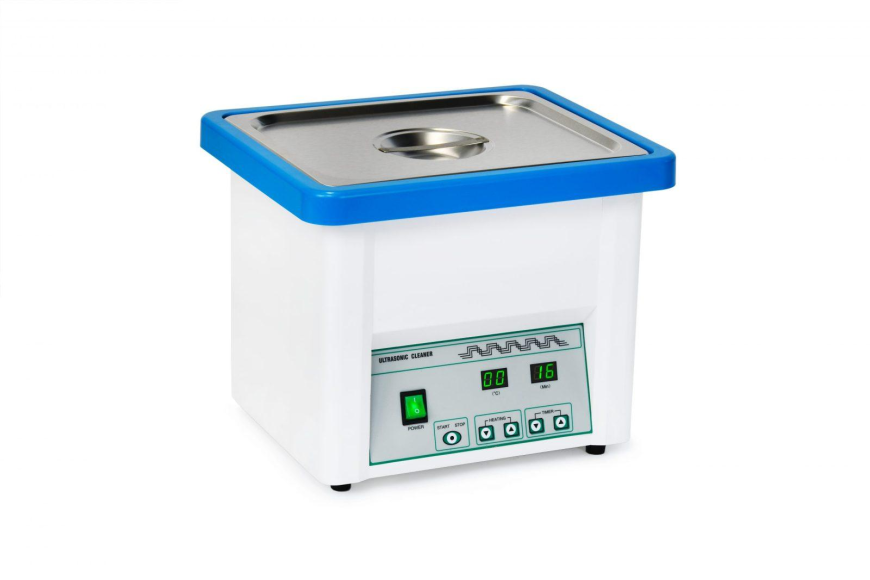
Cleaning tools, instruments, and precision components is a crucial task across numerous industries. Traditional cleaning methods often fall short when it comes to reaching tight spaces or handling delicate materials. Ultrasonic Cleaners offer an advanced solution that combines science, efficiency, and safety in one system. Their ability to clean deeply without physical scrubbing makes them an essential tool in laboratories, hospitals, workshops, and manufacturing facilities.
In this article, we’ll uncover what Ultrasonic Cleaners are, how they function, and why they’re becoming the standard in both professional and industrial cleaning applications.
How Does Ultrasonic Cleaning Technology Work?
Ultrasonic Cleaners operate on frequencies above the range of human hearing. These waves travel through a liquid cleaning solution, typically a mix of water and a mild detergent. The vibrations cause the formation of millions of microscopic bubbles in a process called cavitation. When the bubbles collapse, they release energy that removes dirt and debris from every surface of the submerged object.
Key Steps of Ultrasonic Cleaning:
- The machine generates ultrasonic frequencies via transducers.
- Cavitation bubbles form and collapse within the cleaning solution.
- This action dislodges contaminants from surfaces and inner cavities.
- The result is a thoroughly cleaned item without any mechanical damage.
This method is both thorough and non-abrasive, making it perfect for sensitive parts and complex geometries.
Which Items Are Suitable for Ultrasonic Cleaners?
The versatility of Ultrasonic Cleaners enables their use across a broad spectrum of materials and products. They’re capable of cleaning both simple and highly detailed components without requiring harsh brushing or polishing.
Ideal Items for Ultrasonic Cleaning:
- Dental and Surgical Tools: Removes biological debris before sterilisation.
- Jewellery: Cleans gemstone settings, chains, and engraved pieces.
- Precision Instruments: Keeps optical and mechanical components contamination-free.
- Firearm Parts: Cleans bolts, barrels, and magazines efficiently.
- Electronic Assemblies: Removes flux residues and dust from circuit boards.
- Injection Moulds and Dies: Maintains production quality by keeping moulds debris-free.
Each of these applications benefits from the gentle, deep-cleaning action provided by Ultrasonic Cleaners.
What Advantages Do Ultrasonic Cleaners Offer?
Ultrasonic Cleaners outperform traditional cleaning methods in speed, effectiveness, and consistency. They eliminate time-consuming manual labour and deliver excellent results with minimal supervision.
Top Advantages:
- Non-Contact Cleaning: No brushes, cloths, or tools are needed.
- Uniform Cleaning: Every surface, regardless of its shape, receives equal attention.
- Time Efficiency: Most cycles take only 5 to 20 minutes, depending on the load.
- Safe for Fragile Items: Protects sensitive surfaces from scratches or stress.
- Eco-Conscious: Works with biodegradable solutions and reduces the need for harsh solvents.
These benefits are especially valuable in environments where cleanliness standards are strict and turnaround time is critical.
What Industries Rely on Ultrasonic Cleaners?
The adoption of Ultrasonic Cleaners is growing in industries where precision, hygiene, and efficiency are essential. They have become a staple for professionals who require dependable, repeatable cleaning performance.
Common Sectors Using Ultrasonic Cleaners:
- Healthcare and Dentistry: Cleans instruments prior to sterilisation.
- Manufacturing and Engineering: Maintains the cleanliness of small parts and tools.
- Watchmaking and Optics: Ensures clarity and function of tiny mechanisms and lenses.
- Aerospace and Aviation: Supports maintenance of precision flight components.
- Electronics and Telecom: Safely cleans parts sensitive to moisture and static.
These industries depend on Ultrasonic Cleaners to uphold quality, safety, and efficiency standards.
What Features Should You Look for in a Reliable Ultrasonic Cleaner?
Choosing the right cleaner depends on your application. While all Ultrasonic Cleaners operate on similar principles, key features can affect usability, longevity, and cleaning performance.
Features to Consider:
- Adjustable Frequency Settings: Helps tailor cleaning to delicate or robust items.
- Tank Capacity: Dictates how many or how large the items you can clean.
- Integrated Heater: Improves performance for oily or greasy contaminants.
- Digital Timer and Controls: Allows for precise, repeatable settings.
- Durability of Tank: Stainless steel is preferred for strength and corrosion resistance.
- Drain Valve and Lid: Useful for easy cleanup and fluid handling.
Investing in a model that matches your cleaning volume and requirements improves long-term performance.
What Cleaning Solutions Are Compatible with Ultrasonic Cleaners?
While Ultrasonic Cleaners can work with plain water, using a proper cleaning solution enhances their effectiveness. The solution must be suitable for both the items and the contaminants being removed.
Types of Cleaning Fluids:
- Neutral Detergents: Ideal for metals, plastics, and general cleaning.
- Acid-Based Solutions: Useful for rust and mineral removal.
- Alkaline Cleaners: Effective for greases and oils, especially in mechanical parts.
- Enzymatic Cleaners: Common in medical and laboratory settings for organic residue.
Be sure to select a fluid that won’t harm the material or produce hazardous fumes when heated.
How to Maintain Ultrasonic Cleaners for Reliable Performance?
Routine maintenance is vital to ensure that your Ultrasonic Cleaner continues to work efficiently. Proper care prevents build-up, reduces wear, and helps avoid machine failure.
Maintenance Guidelines:
- Empty and clean the tank after use to remove leftover debris.
- Wipe down the tank and basket with a soft cloth.
- Check solution quality regularly and change it when it becomes dirty.
- Avoid overloading the basket, which can hinder cleaning effectiveness.
- Store the unit in a clean, dry area when not in use.
Following these practices ensures the machine's longevity and reliability over years of service.
Are There Any Limitations to Consider?
Ultrasonic Cleaners are effective, but not suitable for every task. Knowing their limitations helps users avoid damage and maximise results.
Limitations to Be Aware Of:
- Not ideal for absorbent or porous items, which can retain fluid.
- Incompatible with flammable liquids, which pose safety risks when heated.
- Objects larger than the tank cannot be cleaned unless broken into parts.
- May not remove baked-on residues without pre-soaking or post-treatment.
Despite these limits, Ultrasonic Cleaners still outperform most manual and mechanical methods in typical cleaning situations.
Conclusion: Why Are Ultrasonic Cleaners Gaining Popularity?
Ultrasonic Cleaners combine precision, speed, and safety in one powerful system. Their ability to clean complex items without causing physical damage or using harsh chemicals makes them an ideal tool across many industries.
From fine jewellery to industrial components, these machines offer unmatched results. By investing in a reliable Ultrasonic Cleaner, professionals and businesses gain a cleaning solution that enhances quality, reduces labour costs, and ensures consistent cleanliness with every use.