How Check Valves Ensure Smooth Fluid Flow and System Safety
Discover how Check Valves prevent backflow, protect equipment, and maintain fluid system efficiency in industries like water treatment, oil & gas, and chemicals.
 joddie25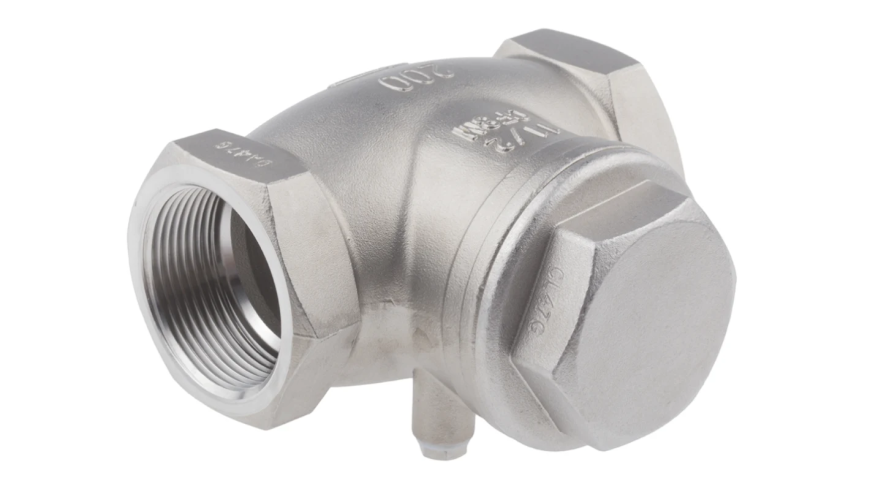
In fluid systems, the direction of flow is critical to maintaining efficiency, protecting equipment, and preventing system failures. One of the simplest but most effective solutions for ensuring correct fluid flow is the Check Valve. These one-way valves automatically block backflow, preventing damage, contamination, and pressure imbalance. But how exactly do Check Valves function, and why are they so essential in fluid management systems? Let’s dive into the role and importance of Check Valves in various applications.
What Are Check Valves?
A Check Valve, often referred to as a non-return valve or one-way valve, is a device that allows fluid to flow in one direction only. When the flow direction changes or attempts to reverse, the Check Valve automatically closes to block the reverse flow. This essential function helps protect pipes, pumps, and other equipment from the damaging effects of backflow.
These valves are self-operating, meaning they do not require any external controls, sensors, or manual intervention to open or close. They rely entirely on pressure differentials between the inlet and outlet sides of the valve, making them highly reliable and maintenance-free in many applications.
How Check Valves Work
Check Valves function based on fluid pressure. When the fluid moves in the correct direction, the valve opens, allowing the fluid to pass through freely. When the flow reverses or stops, the valve automatically closes to prevent backflow. This design helps preserve the integrity of the system by preventing several issues, including contamination, pressure surges, and equipment wear.
Key Functions of Check Valves:
- Open During Forward Flow: The valve allows the fluid to flow freely in the desired direction.
- Close During Reverse Flow: The valve automatically shuts to prevent fluid from flowing backward, protecting the system.
- No Manual Control Required: The valve operates based on pressure changes, with no need for external control systems.
These characteristics make Check Valves an essential part of ensuring the smooth operation of fluid systems in numerous industries.
Why Are Check Valves So Important?
Check Valves offer several advantages that make them indispensable in fluid systems. Their primary function is to prevent backflow, which can have serious consequences for fluid systems and equipment. Here are some of the main reasons why Check Valves are so critical:
1. Preventing Contamination
Backflow can introduce contaminants into clean water systems or process lines, which is especially dangerous in industries like food processing, pharmaceuticals, and chemicals. Check Valves help ensure that only clean, uncontaminated fluid flows in the system, safeguarding both product quality and system safety.
2. Protecting Equipment
Reverse flow can cause serious damage to pumps, compressors, and other sensitive equipment by making them operate in reverse or subjecting them to pressure surges. Check Valves act as a first line of defense, preventing these failures and extending the lifespan of equipment.
3. Maintaining Pressure Stability
When reverse flow occurs, it can cause pressure fluctuations that disrupt system operation. Check Valves help stabilize the pressure by blocking reverse flow, maintaining consistent system performance and preventing any harmful pressure surges that could damage the system.
4. Reducing Maintenance Costs
By preventing the risks associated with backflow, such as equipment damage, contamination, and pressure issues, Check Valves help reduce the need for repairs and downtime. This leads to significant cost savings and ensures that systems continue to operate without interruption.
5. Enhancing System Efficiency
Systems equipped with Check Valves operate more efficiently by ensuring that fluid moves in only the intended direction. This prevents wasted energy or resources that could be caused by reverse flow and allows the system to run more smoothly.
Different Types of Check Valves
While all Check Valves serve the same basic purpose—preventing backflow—there are various designs, each tailored to specific system needs. The right type of Check Valve depends on factors such as the flow rate, pressure, fluid type, and installation space. Here are some of the most common types of Check Valves:
1. Swing Check Valves
Swing Check Valves feature a hinged disc that swings open when the fluid flows in the correct direction and swings closed to block reverse flow. These valves are typically used in larger pipelines and are known for their low flow resistance and simple design.
2. Ball Check Valves
Ball Check Valves use a spherical ball that blocks the flow when it moves against the flow direction. These compact valves are well-suited for smaller pipes and systems with lower flow rates. Ball Check Valves are commonly used in residential and commercial water systems.
3. Lift Check Valves
Lift Check Valves contain a disc or piston that lifts when fluid flows in the correct direction and falls back to close the valve when the flow reverses. These valves provide a tight seal, making them ideal for high-pressure applications such as steam systems and industrial processing.
4. Spring-Loaded Check Valves
Spring-loaded Check Valves use a spring mechanism to ensure that the valve closes quickly when reverse flow is detected. They are often used in systems that require fast response times, such as pumps and hydraulic systems.
Key Applications of Check Valves
Check Valves are versatile and widely used across different industries and applications. Their ability to prevent backflow makes them essential in several sectors, where fluid management and safety are crucial. Some common applications include:
1. Water Treatment
In water treatment plants, Check Valves are used to ensure that clean water does not flow back into the system. They protect pumps, valves, and filters from reverse flow, ensuring that the water remains safe for consumption.
2. Oil and Gas
Oil and gas pipelines rely on Check Valves to prevent the backflow of hazardous materials. These valves protect equipment and help maintain pressure in the pipelines, which is critical for safe and efficient operation.
3. Chemical Processing
In chemical plants, Check Valves prevent the backflow of dangerous chemicals that could lead to contamination or dangerous reactions. They are designed to withstand the harsh conditions of chemical environments, ensuring safety and regulatory compliance.
4. HVAC Systems
Heating, ventilation, and air conditioning systems use Check Valves to prevent reverse airflow, which can damage components like fans, compressors, and thermostats. By keeping airflow in the right direction, these valves help maintain efficiency in HVAC systems.
5. Agriculture and Irrigation
In irrigation systems, Check Valves ensure that water flows in the intended direction, preventing contamination of irrigation lines from backflow and ensuring proper water distribution across crops.
How to Select the Right Check Valve
Choosing the appropriate Check Valve for a given system involves considering several factors, including the type of fluid being transported, system pressure, and installation space. Here are some considerations when selecting a Check Valve:
1. Flow Conditions
The fluid flow rate and pressure in the system will influence the size and design of the Check Valve. High-flow or high-pressure systems may require larger, more robust valves, such as Swing or Lift Check Valves.
2. Fluid Type
The material of the valve must be compatible with the fluid being transported. For instance, corrosive chemicals may require stainless steel or special alloy Check Valves, while water systems may use plastic or brass valves.
3. System Design
Consider how the Check Valve will be installed in the system. Some valves work best in horizontal installations, while others are more suitable for vertical configurations.
4. Response Time
For systems that experience rapid pressure changes, valves with a quick-closing mechanism (such as Spring-loaded or Ball Check Valves) may be necessary to protect the system from fluid shock or pressure surges.
Conclusion
Check Valves are crucial components in any fluid system that needs to prevent backflow and ensure fluid flows in the desired direction. Their simple, automatic operation, combined with their ability to protect equipment, maintain pressure stability, and reduce maintenance costs, makes them an invaluable asset in systems ranging from water treatment plants to chemical processing facilities. By selecting the right type of Check Valve for each application, engineers and operators can improve system performance, ensure safety, and extend the life of their equipment. Whether in residential, industrial, or commercial settings, Check Valves continue to provide essential fluid flow control for a wide range of applications.