What Are the Key Differences Between a Regular Blanket and an Autism Weighted Blanket?
 Auteeze
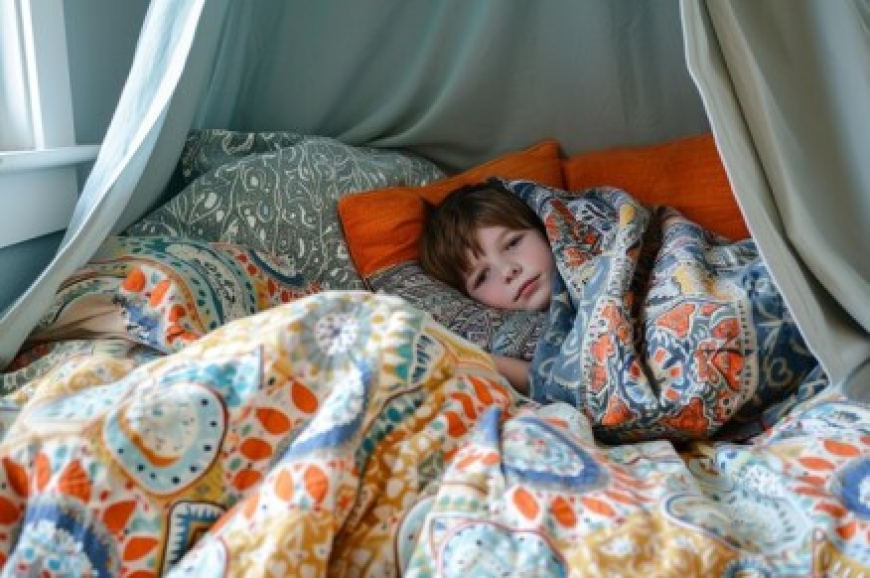
When it comes to helping a child with autism sleep better and feel calmer, not all blankets are created equal. Many parents instinctively reach for a familiar soft blanket at bedtime, not realising that a specialized autism weighted blanket could make a significant difference in their child's comfort, sensory regulation, and overall quality of sleep. Understanding the key differences between a regular blanket and an autism weighted blanket is the first step toward making a more informed decision for your child.
What is a regular blanket?
A regular blanket is designed purely for warmth and comfort. It is lightweight, typically filled with polyester, cotton, or fleece, and provides no additional therapeutic benefit beyond keeping the body warm during sleep. While regular blankets are perfectly suitable for most children, they offer no targeted sensory input and do nothing to address the unique sleep challenges that many children with autism face on a daily basis.
For a neurotypical child, a regular blanket is often enough. However, for children with autism, sensory processing disorder, or anxiety, a standard blanket frequently falls short of providing the deeper comfort and nervous system support they genuinely need.
What is an Autism Weighted Blanket?
An autism weighted blanket is a therapeutic sleep and sensory tool filled with evenly distributed weighted materials typically glass beads or plastic pellets sewn into individual pockets throughout the blanket. This design ensures the weight is spread uniformly across the body, delivering consistent deep pressure stimulation from head to toe.
This deep pressure stimulation mimics the sensation of being held or hugged, which has a proven calming effect on the nervous system. For children with autism, this gentle, sustained pressure helps regulate sensory overload, reduce anxiety, and promote the release of serotonin and melatonin, the hormones responsible for mood balance and restful sleep.
Key Differences Between a Regular Blanket and an Autism Weighted Blanket
1. Weight and Therapeutic Purpose
The most obvious difference lies in weight. A regular blanket weighs very little and serves no therapeutic function. An autism weighted blanket, by contrast, is intentionally designed with added weight to provide deep pressure stimulation that supports sensory regulation.
The weight of a weighted blanket is carefully calculated based on the child's body weight. The widely recommended guideline is approximately 10 percent of the child's body weight, plus one kilogram. For example, a child weighing 25 kilograms would typically benefit from a weighted blanket of around 3 to 4 kilograms. Choosing the correct weight of weighted blanket is essential; too light and it provides insufficient pressure, too heavy and it may feel restrictive or uncomfortable.
2. Sensory Input and Nervous System Regulation
A regular blanket provides passive warmth with no active sensory engagement. An autism weighted blanket delivers consistent proprioceptive input meaning it stimulates the body's awareness of its own position and movement. This is particularly beneficial for children with autism who struggle with sensory processing, as it helps organise the nervous system and creates a sense of safety and groundedness at bedtime.
3. Sleep Quality and Calming Effect
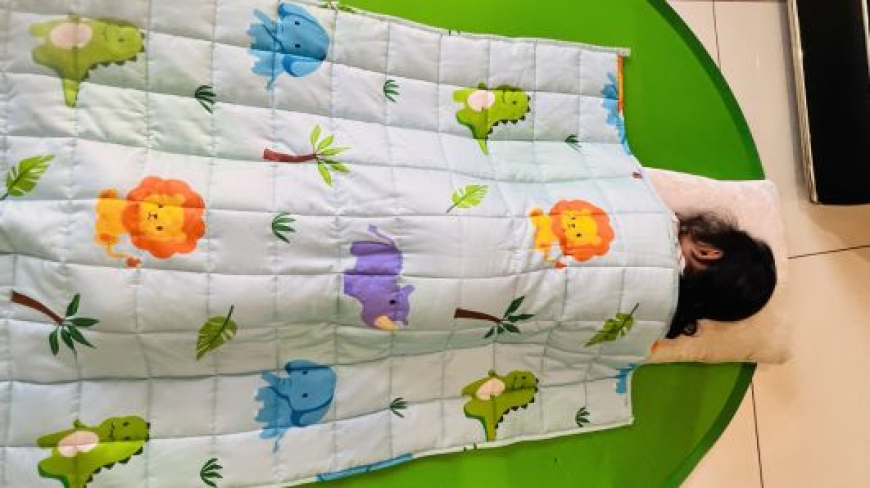
Children with autism often experience heightened anxiety at bedtime, difficulty falling asleep, and frequent night wakings. A regular blanket does nothing to address these challenges. An autism weighted blanket actively supports the body's natural ability to wind down by encouraging the production of calming hormones, making it significantly easier for children to fall asleep faster and stay asleep longer.
4. Design and Construction
Regular blankets are simple in construction a single or double layer of fabric with basic filling. A quality kids weighted blanket, however, is built with a carefully engineered grid of individual pockets, each containing an equal measure of weighted filling. This grid structure prevents the weighted material from shifting or bunching during the night, ensuring consistent pressure distribution across the entire body throughout sleep.
Why Kids' Bedding in Australia Is Making the Switch
Across Australia, more and more families are recognizing the difference that the right bedding can make for a child with autism or sensory sensitivities. The growing demand for quality kids bedding Australia-wide reflects a broader shift toward sleep solutions that are not just comfortable but genuinely therapeutic.
Parents who have introduced an autism weighted blanket into their child's bedtime routine consistently report improvements in sleep duration, reduced pre-sleep anxiety, and calmer mornings. When combined with other supportive elements such as a consistent bedtime routine and a sensory-friendly sleep environment, a weighted blanket becomes a powerful tool in a parent's toolkit.
How to Choose the Right Kids Weighted Blanket
When selecting a kids weighted blanket, consider the following:
- Weight: Follow the 10 percent of body weight plus one kilogram guideline
- Size: The blanket should cover the child's body without draping heavily over the sides of the bed
- Material: Choose breathable, skin-friendly fabrics such as bamboo cotton, especially for children sensitive to heat
- Safety: Always ensure the child can remove the blanket independently
Final Thoughts
The difference between a regular blanket and an autism weighted blanket goes far beyond weight alone. It is the difference between passive comfort and active therapeutic support — between a child who struggles to settle at night and one who sleeps deeply, wakes refreshed, and faces the day with greater calm and focus.