Water Damage Restoration in Dalton, GA: A Guide
 roywilson
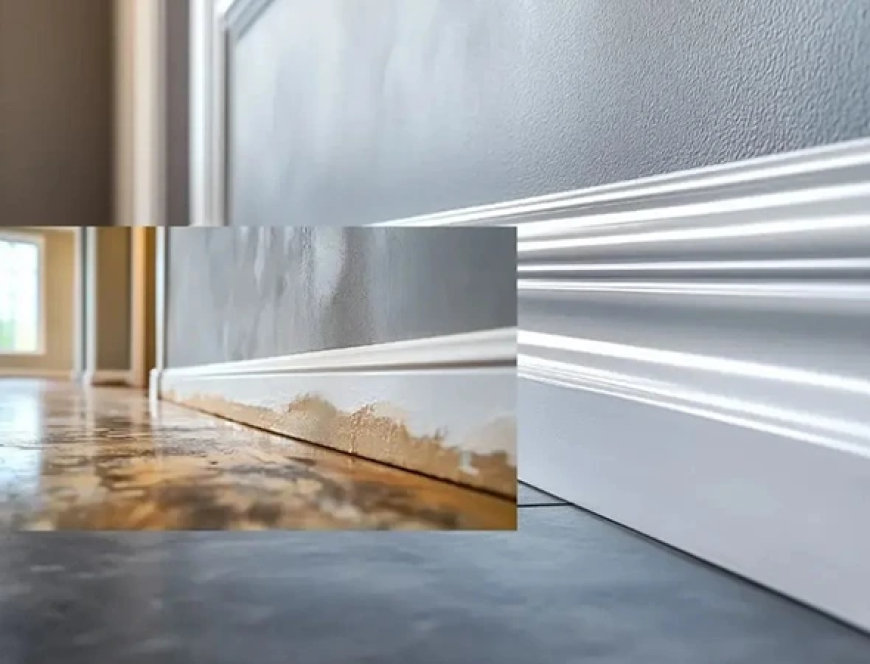
Heavy rain rolls through North West Georgia, a pipe bursts overnight, or a water heater gives out while no one is home. By morning, the floor is soaked and the smell of damp drywall fills the room. Situations like these are why Water Damage Restoration in Dalton, GA has become such an important topic for homeowners across the region.
Water moves fast, and so does the damage it causes. What starts as a small leak can spread through carpet, subflooring, and even the studs behind your walls within hours. Understanding how restoration works helps people react calmly instead of panicking when the unexpected happens.
Why Water Damage Is More Serious Than It Looks
The tricky part about water damage is what you can't see. A visible puddle is easy to mop up, but moisture often hides beneath flooring and inside wall cavities. Left alone, that trapped moisture creates the perfect setting for mold, warping, and structural weakness.
Most restoration work follows a familiar rhythm. Professionals first assess the source of the water, then remove standing water, dry the affected areas with industrial equipment, and finally repair or replace damaged materials. The goal is always to return a home to its pre-loss condition.
Timing matters more than almost anything else. Experts generally agree that the first 24 to 48 hours are critical. Acting quickly can mean the difference between drying out a room and tearing out an entire floor.
The Value of Professional Help
Homeowners sometimes try to handle water cleanup on their own, and for very small spills that can work fine. Larger events are a different story. Professional teams bring moisture meters, air movers, and dehumidifiers that reach places a household fan never could.
There's also the health angle. Standing water can carry bacteria, and hidden dampness feeds mold that affects indoor air quality. Trained technicians know how to identify these risks and address them before they grow into bigger problems.
Insurance is another reason many people call in specialists. Restoration companies often document the damage thoroughly, which makes the claims process smoother and less stressful for the homeowner.
Common Scenarios Around North West Georgia
Not every water problem announces itself with a dramatic flood. In older homes, slow leaks under sinks can quietly rot cabinetry for months. In humid seasons, condensation builds up in areas that rarely get airflow.
One of the most overlooked spots is beneath the house. Crawl Space Damage Repair in Calhoun, GA comes up often because these dark, low areas trap moisture and go unnoticed until wood begins to soften or a musty odor drifts upstairs. Poor drainage and high groundwater only add to the problem.
Storm season brings its own challenges. Flash flooding, backed-up gutters, and roof leaks all send water where it doesn't belong. Each situation calls for a slightly different approach, which is why experienced crews tailor their methods to the specific cause.
What Recovery Really Involves
Picture a family returning from vacation to find a supply line had failed days earlier. The kitchen floor is buckled, and the ceiling below shows brown stains. A recovery team would trace the leak, dry the structure completely, and then rebuild the damaged sections.
Local providers such as Voda Cleaning & Restoration of North West Georgia are among the resources residents turn to when dealing with these events. The focus in cases like this is steady, methodical work rather than quick fixes that leave moisture behind.
Every job teaches the same lesson: thorough drying today prevents costly repairs tomorrow.
FAQs
How quickly should water damage be addressed?
Ideally within 24 to 48 hours. Fast action limits mold growth and helps protect flooring, walls, and structural materials from lasting harm.
Can I clean up water damage myself?
Small spills are manageable at home. Larger events usually need professional drying equipment to reach hidden moisture inside walls and beneath floors.
Does homeowners insurance cover water damage?
It depends on the cause. Sudden, accidental damage is often covered, while gradual leaks or flooding may require separate policies. Always check your specific coverage.
Why is crawl space moisture a problem?
Crawl spaces trap dampness that can rot wood, invite mold, and affect the air inside the home. Regular inspection helps catch issues early.
How do professionals dry out a home?
They use moisture meters, air movers, and dehumidifiers to remove water from both visible surfaces and hidden cavities until the structure is fully dry.