Understanding Jewelry Patina: The Art of Aging Silver
There’s something about old silver that just hits different. Not shiny, not perfect, not trying too hard. It’s got that darker tone sitting in the corners, a bit of unevenness, a kind of quiet attitude.
 crissmiel
Introduction
There’s something about old silver that just hits different. Not shiny, not perfect, not trying too hard. It’s got that darker tone sitting in the corners, a bit of unevenness, a kind of quiet attitude. You can’t fake that easily. Or maybe you can but only if you know what you’re doing. That’s where patina comes in.
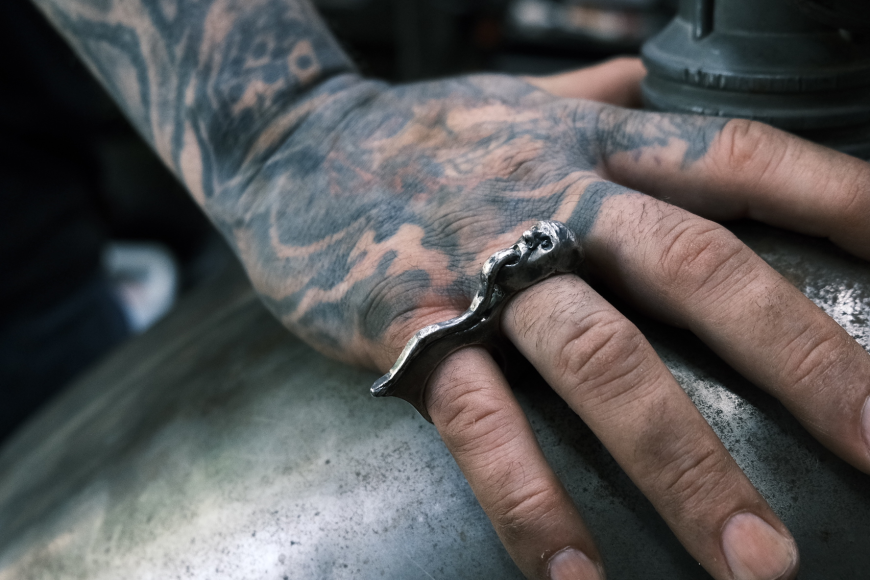
Patina isn’t damage. It’s not neglect either. It’s time doing its thing. Or sometimes, a craftsman stepping in and speeding time up a little. If you’ve ever picked up a men's double finger ring and noticed those shadowy details around the edges, that’s not accidental. That’s intentional aging. Designed, shaped, controlled. And yeah, it matters more than most people think.
What Is Jewelry Patina, Really?
Let’s keep it simple. Patina is the surface change that happens on metals over time. Silver reacts with sulfur in the air, moisture, skin oils—all that stuff. It darkens. It shifts. It gets character.
But here’s the thing: in jewelry, especially handcrafted silver, patina isn’t just left to chance. Makers actually create it. They oxidize the silver, then polish parts of it back. So you end up with contrast—bright highlights, deep shadows. That push and pull is what makes a piece feel alive.
Without patina? Silver can look kind of flat. Too clean. Almost sterile. And for a lot of people, that’s just… boring.
Why Patina Matters in Silver Jewelry
Patina does more than just make things look “cool.” It adds depth. It highlights details you’d otherwise miss. Engravings pop more. Edges feel sharper. The design breathes a bit.
And honestly, it hides wear pretty well too. Scratches blend in. Tiny marks don’t stand out as much. That’s why aged silver tends to look better the more you wear it. It grows into itself.
For brands like Lugdun Artisans, this isn’t some afterthought. It’s part of the design language. Pieces are built with aging in mind. Not just how they look on day one, but how they’ll evolve after months—or years—on your hand.
Natural vs. Intentional Aging
There are two ways silver gets that aged look. Natural and intentional.
Natural patina takes time. Weeks, months, sometimes longer. It depends on how often you wear the piece, your skin chemistry, even where you live. Humidity plays a role. Pollution too.
Intentional patina is faster. Jewelers use oxidation techniques—usually sulfur-based solutions—to darken the silver. Then they selectively polish it. It’s controlled, but still a bit unpredictable. Which is good. You don’t want every piece looking identical. That kills the whole vibe.
Some people prefer the natural route. Let the ring age on its own. Others want that instant depth. No waiting. Neither is wrong. Just depends on your patience level, I guess.
Patina and Everyday Wear
Here’s where things get interesting. Patina isn’t static. It changes with you.
You wear your ring daily? The high spots start to shine more. The darker areas stay put, mostly. Over time, the contrast gets stronger. It tells a story. Not in some dramatic, poetic way—just in small, subtle shifts.
Take something bold, like a double band ring or a heavier silver piece. The more surface it has, the more room for patina to play. Edges soften, details deepen. It becomes yours in a way polished jewelry never really does.
That’s also why some guys get into mens silver jewelry in the first place. It doesn’t stay the same. It adapts.
How to Care for Patina (Without Ruining It)
This part trips people up. They think silver needs to stay shiny. It doesn’t. Not always.
If you like the aged look, don’t over-clean your jewelry. Avoid harsh polishing cloths on the darker areas. You’ll strip the patina right off. And then you’re basically resetting the piece.
A light clean is fine. Soap, water, soft cloth. That’s enough. Keep it simple.
If the patina fades too much? You can bring it back. Some brands—like Lugdun Artisans—offer re-oxidizing services. Or you can use DIY methods, though… those can get messy if you’re not careful.
Point is, don’t treat patina like a flaw. It’s part of the design. Respect it a little.
The Appeal of Aged Silver in Modern Style
There’s a shift happening. More people are moving away from high-gloss, overly polished jewelry. It feels too perfect. Too manufactured.
Aged silver, on the other hand, feels grounded. Real. It works with casual outfits, heavier fabrics, darker tones. Even with something simple like a black tee and jeans—it adds weight. Not literally, but visually.
And yeah, it’s not trying to be flashy. That’s kind of the point. It’s confident without shouting.
You’ll see this especially in mens silver jewelry collections that lean into raw textures, bold shapes, and imperfect finishes. It’s less about shine, more about presence.
Conclusion
Patina isn’t just a finish. It’s a process. A slow shift that turns plain silver into something with depth and personality. Whether it happens naturally over time or is crafted from the start, it changes how a piece feels on your hand, in your day-to-day life.
And honestly, that’s what makes it interesting. Perfect jewelry looks the same forever. Patinated silver doesn’t. It evolves. Picks up marks, tones, little variations. None of it planned exactly, but all of it meaningful in a quiet way.
If you’re exploring mens silver jewelry, it’s worth paying attention to how a piece ages, not just how it looks fresh out of the box. Because in the end, the best silver isn’t the one that stays perfect. It’s the one that gets better the longer you wear it.