Tummy Tuck in Islamabad: What Happens When Abdominal Skin Loses Its Elasticity?
Learn what happens when abdominal skin loses elasticity and how tummy tuck surgery may address loose, stretched, or excess skin after aging, pregnancy, or weight loss.
 umar
umar
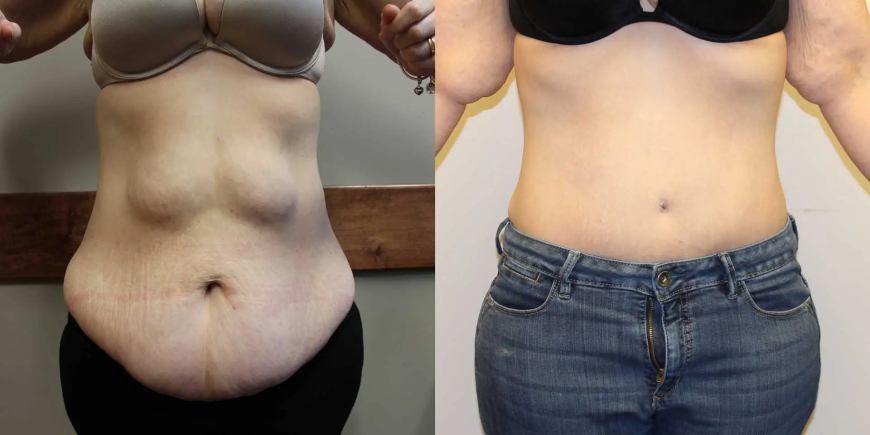
Abdominal skin naturally stretches and contracts throughout life, but factors such as aging, pregnancy, major weight changes, and repeated fluctuations in body size can gradually reduce its elasticity. When the skin can no longer retract properly, it may remain loose, wrinkled, or hanging around the stomach. For individuals considering Tummy Tuck in Islamabad, understanding how reduced skin elasticity affects the abdomen can help them make informed decisions about surgical body contouring.
What Is Skin Elasticity?
Skin elasticity refers to the skin's ability to stretch and then return toward its original shape.
This ability is largely associated with structural proteins such as collagen and elastin. Younger skin generally has greater elasticity, allowing it to adapt to changes in body size more effectively.
Over time, however, collagen and elastin production naturally changes. Combined with external and lifestyle factors, this can make the skin less capable of retracting after it has been stretched.
When elasticity decreases significantly, excess skin may remain even after a person reaches a stable or healthy weight.
Why Does Abdominal Skin Lose Elasticity?
Several factors can contribute to reduced abdominal skin elasticity.
Aging
Aging is one of the natural causes of declining skin elasticity. As the body ages, changes in collagen, elastin, hydration, and skin thickness can make the skin less firm.
The abdomen may gradually develop wrinkles, laxity, or folds that were not present earlier in life.
Pregnancy
Pregnancy places substantial stretching pressure on the abdominal skin.
As the abdomen expands, the skin must accommodate a significant increase in volume. After delivery, some skin contracts naturally, while some may remain stretched.
The degree of residual laxity varies from person to person.
Significant Weight Loss
Major weight loss can leave behind excess abdominal skin.
When body volume decreases substantially, the skin that previously covered a larger body may not completely contract to match the new contours.
This is particularly noticeable in people who have lost a large amount of weight.
Repeated Weight Fluctuations
Repeated cycles of weight gain and loss can repeatedly stretch the abdominal skin.
Over time, this may contribute to reduced elasticity and persistent looseness.
Maintaining a relatively stable weight can be helpful when planning long-term body-contouring goals.
What Does Poor Skin Elasticity Look Like?
Reduced elasticity can present in different ways depending on the individual.
Common signs may include:
- Loose abdominal skin
- Fine or deep wrinkles
- Skin folds
- Lower-abdominal overhang
- Stretch marks
- Reduced firmness
- Skin that does not retract after weight loss
- A less defined abdominal contour
The severity of these changes can range from mild looseness to significant redundant tissue.
Why Exercise Cannot Remove Significant Excess Skin
Exercise is excellent for maintaining muscle strength and supporting a healthy body composition, but it cannot physically remove excess skin.
Someone can have strong abdominal muscles and still have a layer of loose skin covering them.
This distinction is especially important after major weight loss. Continued exercise may improve the underlying abdominal muscles, but it cannot eliminate substantial redundant tissue when the skin has lost significant elasticity.
How a Tummy Tuck Addresses Reduced Skin Elasticity
A tummy tuck, also known as abdominoplasty, is a surgical body-contouring procedure designed to remove selected excess abdominal skin.
During the procedure, the surgeon develops a plan based on the patient's anatomy, amount of skin laxity, tissue quality, and desired contour.
The redundant skin is removed, and the remaining abdominal skin is repositioned.
In appropriate patients, the procedure may also address abdominal-wall laxity or muscle separation.
This makes a tummy tuck fundamentally different from non-surgical skin-tightening treatments because excess tissue can be physically removed.
How Skin Quality Influences Surgical Planning
Not every patient with loose abdominal skin requires the same surgical approach.
A surgeon may assess:
| Skin characteristic | Why it matters |
|---|---|
| Elasticity | Helps determine how remaining skin may settle |
| Amount of excess skin | Influences the extent of tissue removal |
| Skin thickness | Provides information about tissue quality |
| Stretch marks | May indicate previous skin stretching |
| Skin folds | Help identify areas of redundancy |
| Previous scars | Can influence incision planning |
| Fat distribution | Helps distinguish fat from excess skin |
| Abdominal-wall condition | May affect whether muscle repair is considered |
This assessment helps create a treatment plan tailored to the individual rather than relying on a standard technique.
Does Poor Skin Elasticity Affect the Tummy Tuck Result?
Skin quality can influence the final appearance after surgery.
When skin has very poor elasticity, the surgeon must carefully plan how much tissue can be removed and how the remaining skin will be repositioned.
The objective is to achieve an improved contour while avoiding excessive tension on the incision and maintaining appropriate tissue health.
Patients should understand that surgery can remove redundant skin, but it cannot completely reverse every biological change associated with aging or previous stretching.
Can a Tummy Tuck Restore Skin Elasticity?
A tummy tuck does not restore the skin's natural elasticity.
Instead, it removes selected excess tissue and reshapes the remaining abdominal skin.
The procedure can therefore improve the appearance of loose skin even when the underlying skin has reduced elasticity.
However, future aging, pregnancy, and substantial weight fluctuations can continue to affect the remaining tissues.
Full Tummy Tuck vs. Mini Tummy Tuck
The extent and location of skin laxity can influence which type of tummy tuck may be considered.
A full tummy tuck generally addresses a larger area of abdominal skin and may also involve abdominal-wall correction when appropriate.
A mini tummy tuck generally focuses more on the lower abdomen and may be suitable for selected patients with limited excess skin.
The decision should be based on anatomy rather than simply choosing a procedure based on its name.
What Happens During a Consultation?
A consultation allows the surgeon to evaluate the abdomen in detail.
The surgeon may examine the patient while standing and lying down to assess how the skin behaves in different positions.
The evaluation may include:
- Skin elasticity
- Amount of loose skin
- Abdominal muscle condition
- Fat distribution
- Stretch marks
- Existing scars
- Belly button position
- Previous surgeries
- Weight history
- Future weight goals
These findings help determine whether surgery is appropriate and which approach may provide a suitable contour.
Why Stable Weight Is Important
Patients considering a tummy tuck should ideally have a relatively stable weight.
If significant weight loss is still planned, additional loose skin may develop later. Likewise, substantial weight gain after surgery can stretch the remaining abdominal tissues.
Discussing current weight, previous fluctuations, and future goals during consultation helps with timing and treatment planning.
Can Non-Surgical Treatments Help Loose Skin?
Non-surgical treatments may provide modest improvement for selected patients with mild skin laxity.
However, they generally cannot remove substantial amounts of redundant abdominal skin.
When the primary concern is significant excess skin, a surgical evaluation may be more appropriate because abdominoplasty directly removes selected redundant tissue.
The right approach depends on the severity of laxity and the individual's anatomy.
Recovery After Tummy Tuck
Recovery varies depending on the extent of surgery and whether additional procedures are performed.
Patients may experience temporary swelling, bruising, tightness, and discomfort during the early healing period.
Following postoperative instructions regarding wound care, movement, lifting, exercise, medications, and follow-up visits is important.
The abdomen may look different during the initial healing period because swelling can temporarily obscure the developing contour.
As healing progresses, the tissues gradually settle and the result becomes easier to appreciate.
Maintaining the Result After Surgery
A tummy tuck removes existing excess skin, but it does not stop the natural aging process.
Maintaining a relatively stable weight can help preserve the abdominal contour. Healthy nutrition and regular physical activity, once cleared by the surgical team, can also support overall wellbeing.
Future pregnancy or major weight changes may alter the abdominal tissues again.
For this reason, patients should consider their long-term plans when deciding when to undergo body-contouring surgery.
FAQs About Abdominal Skin Elasticity and Tummy Tuck
Why does abdominal skin become loose?
Abdominal skin can become loose because of aging, pregnancy, significant weight loss, repeated weight fluctuations, genetics, and prolonged stretching.
Can loose skin tighten naturally?
Mild laxity may improve to some degree depending on skin quality and individual factors. Significant redundant skin is less likely to disappear completely without treatment.
Can exercise tighten loose abdominal skin?
Exercise can strengthen the muscles underneath the skin but cannot physically remove substantial excess skin.
Does a tummy tuck improve loose skin after weight loss?
Yes. Abdominoplasty is commonly considered for selected patients who have persistent excess abdominal skin after significant weight loss.
Can a tummy tuck restore skin elasticity?
No. A tummy tuck removes excess skin and improves contour but does not restore the skin's original biological elasticity.
Can loose skin return after a tummy tuck?
The removed skin does not grow back, but remaining skin can stretch due to significant weight changes, pregnancy, or natural aging.
Is a tummy tuck a weight-loss procedure?
No. A tummy tuck is primarily a body-contouring procedure rather than a method of losing weight.
How do I know whether my skin is too loose for non-surgical treatment?
A professional assessment can determine whether the primary concern is mild laxity, significant excess skin, localized fat, or a combination of factors.
Understanding Your Options for Reduced Abdominal Skin Elasticity
Loss of abdominal skin elasticity is a natural process that can become more noticeable after aging, pregnancy, significant weight loss, or repeated changes in body size. While lifestyle measures can support healthy skin and body composition, they cannot remove substantial redundant skin once it has become significantly stretched.
A tummy tuck may be appropriate for selected patients who have persistent excess skin and realistic expectations. By removing carefully selected redundant tissue and, when appropriate, addressing abdominal-wall laxity, the procedure can create a smoother and more defined abdominal contour.
If you are concerned about loose abdominal skin and want to understand whether surgical body contouring is suitable for your anatomy, consulting a qualified team at a reputable Plastic Surgery Clinic can help you discuss your skin quality, treatment options, expected results, and the appropriate timing for surgery.