Laser Hair Removal in Islamabad: What Happens When Follicles Become Less Active?
Learn what happens when hair follicles become less active during laser hair removal, including growth cycles, slower regrowth, fine hair, and treatment timing.
 umar
umar
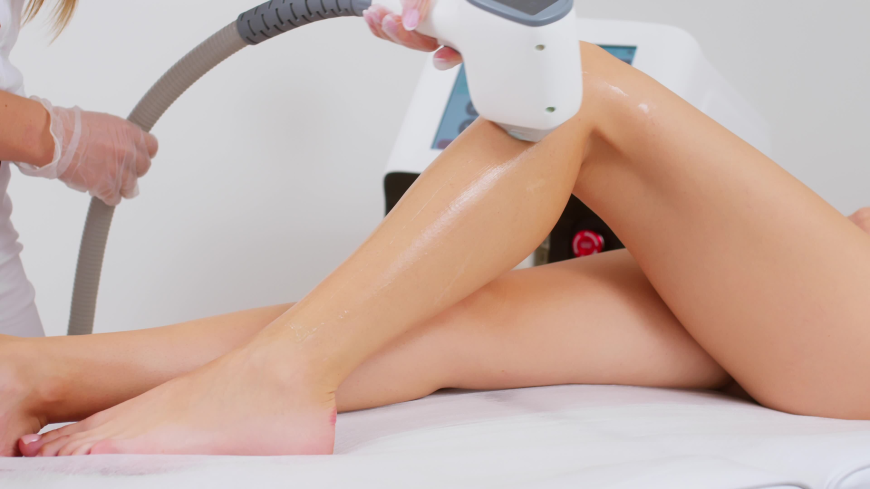
Laser hair removal works by targeting structures associated with hair growth, but follicles do not all behave the same way throughout a treatment course. As some follicles become less active, patients may notice slower regrowth, lower hair density, or finer remaining hairs. For people considering Laser Hair Removal In Islamabad, understanding what happens as follicles become less active can help explain why treatment results develop gradually rather than immediately.
What Does It Mean When a Hair Follicle Becomes Less Active?
A hair follicle is a small structure in the skin responsible for producing hair.
Its activity changes naturally as hair moves through different stages of its growth cycle.
When a follicle is actively producing hair, the hair may be more visible and easier for certain laser systems to target.
When its activity decreases, hair growth can slow or temporarily stop.
This does not necessarily mean that the follicle has permanently stopped functioning. Instead, it may be entering another stage of its natural cycle or responding to previous treatment.
Understanding the Hair Growth Cycle
Hair follicles typically move through three main stages:
- Anagen: The active growth phase
- Catagen: A transitional phase
- Telogen: A resting phase
Laser hair removal is generally most effective when the hair is in an appropriate active growth stage.
Since follicles move through these stages at different times, a single laser session cannot affect every follicle in exactly the same way.
This is one of the main reasons multiple treatment sessions are usually required.
What Happens During the Active Growth Stage?
During active growth, the follicle is producing a hair shaft.
The hair contains pigment that can act as a target for laser energy.
The laser delivers concentrated light energy that is absorbed by pigment in the hair. This energy is converted into heat and can affect structures within the follicle involved in hair production.
The exact response depends on the laser technology, treatment parameters, hair characteristics, skin tone, and individual biology.
What Happens as Follicles Become Less Active?
When a follicle transitions out of its active growth stage, the visible hair may stop growing or become less noticeable.
During a laser treatment course, this can contribute to changes such as:
- Slower hair regrowth
- Fewer visible hairs
- Longer intervals between shaving
- Finer remaining hair
- Reduced overall hair density
However, a less active follicle is not necessarily permanently inactive.
It may become active again later, which is another reason treatment is performed over multiple sessions.
Why Less Active Follicles Can Affect Treatment Timing
Laser treatment is usually scheduled according to the expected hair-growth cycle of the treatment area.
If appointments are performed too close together, fewer follicles may be in the appropriate active phase.
If they are spaced appropriately, more follicles may become available as targets during subsequent sessions.
The ideal interval varies according to the treatment area, hair characteristics, and individual response.
A qualified practitioner can determine an appropriate schedule based on these factors.
How Less Active Follicles Can Change Visible Results
One of the most noticeable changes may be slower regrowth.
Before treatment, hair may become visible relatively quickly after shaving.
As treatment progresses, some patients may notice that the treated area remains smoother for longer periods.
The number of visible hairs may also decrease.
At later stages, the remaining hair may be finer or less noticeable than the original growth.
These changes can indicate progress, although individual responses vary.
Why Not Every Follicle Becomes Less Active at the Same Time
Hair follicles operate independently.
Within the same treatment area, one follicle may be actively producing hair while another is resting.
A third may be transitioning between stages.
This creates an uneven pattern of hair growth.
As a result, patients may notice isolated hairs or small areas of regrowth even when overall hair density has decreased.
This does not automatically indicate treatment failure.
Hair Thickness Also Changes the Visible Response
Coarse and fine hair can respond differently to laser treatment.
Coarse hair usually has a larger diameter and may contain more pigment.
Fine hair provides a smaller target and can be more difficult to treat, particularly when it is lightly pigmented.
As thicker hairs are reduced, the remaining growth may consist of finer hairs.
This can make later treatment progress appear slower even though the overall amount of hair has already decreased.
Hair Color and Pigment Matter
Laser hair removal depends significantly on pigment within the hair.
Dark hair generally provides a stronger target for many laser systems.
Very light, white, grey, or some blonde hairs may respond differently because they contain less of the pigment targeted by certain technologies.
Therefore, a follicle producing dark hair may respond differently from a follicle producing very light hair, even when both are in the same growth stage.
Skin Tone Influences Treatment Planning
The surrounding skin also contains melanin.
Laser energy can interact with this pigment, which means skin tone must be considered when selecting treatment technology and settings.
For people with darker skin tones, careful treatment planning is particularly important.
The provider may consider wavelength, pulse duration, energy level, cooling, and other parameters to balance effective hair targeting with appropriate skin protection.
Hormonal Factors Can Keep Follicles Active
Hormones can influence hair growth and may cause some follicles to remain active or become active again.
This is especially relevant to facial areas such as the chin, jawline, upper lip, and neck.
Hormonal changes can contribute to ongoing hair growth even after a patient has experienced significant reduction.
This can make facial laser treatment more variable than treatment on some body areas.
Different Body Areas Respond Differently
Hair-growth patterns vary throughout the body.
| Body area | Typical consideration |
|---|---|
| Underarms | Hair is often relatively coarse and pigmented |
| Bikini area | Hair may be dense and coarse |
| Legs | Hair characteristics can vary significantly |
| Arms | Hair may be finer in some individuals |
| Upper lip | Fine facial hair may be more challenging |
| Chin and jawline | Hormonal influences can affect regrowth |
| Back and chest | Density and thickness vary between individuals |
These are general observations, not predictions of individual results.
Why Multiple Sessions Are Necessary
Multiple sessions are required because follicles are active at different times.
Each appointment provides another opportunity to target hairs that have entered an appropriate growth stage.
Over a treatment course, patients may gradually notice:
- Reduced density
- Slower regrowth
- Finer hair
- Longer periods between shaving
- Less noticeable unwanted hair
The number of sessions required varies from person to person.
How Practitioners Evaluate Less Active Follicles
Practitioners may monitor several indicators during follow-up appointments.
These can include:
- Hair density
- Hair thickness
- Regrowth speed
- Hair pigmentation
- Treatment-area appearance
- Skin response
- Patient feedback
Photographs may also be used to compare changes between sessions when taken under consistent conditions.
Can a Less Active Follicle Become Active Again?
Yes.
A follicle entering a resting phase does not necessarily mean that it has permanently stopped producing hair.
It may eventually return to an active phase.
This natural cycling explains why patients can notice new visible growth after a period of smoother skin.
It also explains why maintenance treatments may sometimes be needed after an initial course.
What Patients Should Avoid Assuming
A common mistake is assuming that every visible hair after treatment represents a completely new follicle.
In reality, visible regrowth can come from follicles that were not in the appropriate growth stage during previous treatments.
Other hairs may have been less responsive because they were finer or less pigmented.
Understanding these differences can prevent unnecessary concern about normal variations in treatment progress.
Comparing Active and Less Active Follicles
| Feature | More active follicle | Less active follicle |
| Hair production | More active | Reduced or temporarily paused |
| Visible hair | More likely to be noticeable | May be less visible |
| Growth speed | Faster | Slower or absent temporarily |
| Laser target | Often more suitable during active growth | May be less responsive depending on stage |
| Future activity | Continues growth cycle | May become active again |
FAQs About Less Active Hair Follicles
Does a less active follicle mean the hair is permanently gone?
No. A resting or less active follicle can potentially become active again.
Why does hair growth slow after laser treatment?
Laser treatment can affect targeted follicles, while natural growth-cycle changes also contribute to differences in regrowth.
Can resting follicles be treated effectively?
Laser treatment is generally more effective when hairs are in an appropriate active growth phase, which is why multiple sessions are needed.
Why do some hairs return between sessions?
Different follicles enter active growth at different times, so some hair may become visible between appointments.
Can remaining hair become finer?
Some patients notice finer remaining hairs as treatment progresses, although results vary.
Why is facial hair sometimes harder to control?
Facial hair can be influenced by hormones, which may stimulate continued or new growth.
Does hair color affect follicle response?
Yes. Pigment is an important factor in how many laser systems target hair.
Does skin tone matter?
Yes. Skin tone influences treatment planning because surrounding skin also contains pigment.
Will I need maintenance sessions?
Some patients may require maintenance treatments because hair growth can change over time.
Understanding the Gradual Nature of Follicle Response
When hair follicles become less active, patients may notice slower regrowth, fewer visible hairs, and changes in hair thickness. However, follicles naturally move through different growth stages, so a less active follicle is not necessarily permanently inactive. This biological cycle is a major reason laser hair removal is performed through multiple sessions rather than as a one-time procedure.
Hair pigmentation, thickness, skin tone, treatment area, hormonal factors, and individual response can further influence how follicles behave. Tracking these factors over time provides a more realistic picture of treatment progress than judging results after a single appointment.
If you want to understand how your follicles are responding and how treatment can be planned around your individual hair and skin characteristics, consulting the qualified team at Dynamic Aesthetic Clinic can help you develop realistic expectations and an appropriate treatment plan.