The Truth About Root Canals: What to Expect from Root Canal Treatment in Raleigh, NC
When people learn they need a root canal, some immediately ask whether simply pulling the tooth might be easier and cheaper.
 dianeadsmith
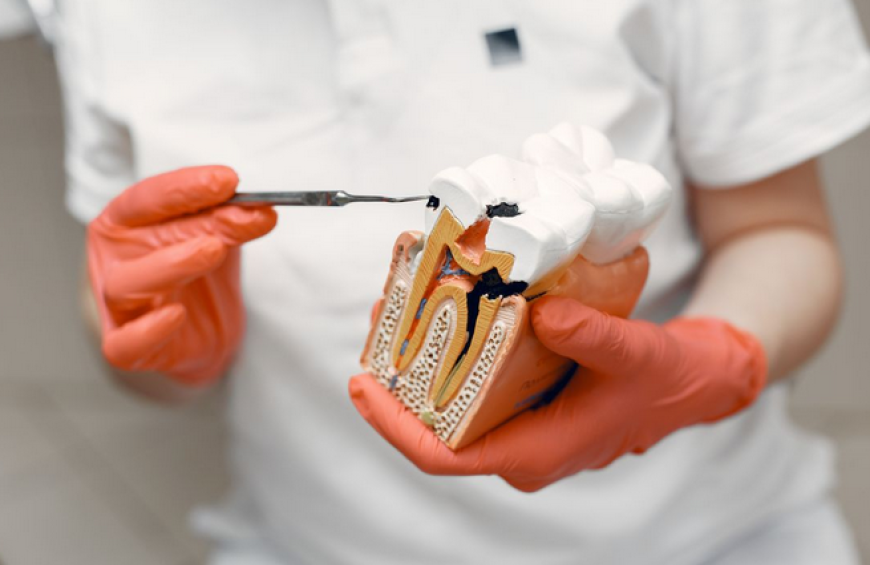
Few words in dentistry carry as much dread as "root canal." Mention it in a room full of people and you will almost certainly see a few grimaces. The reputation this procedure has earned over the decades is largely undeserved, built on outdated stories and exaggerated fears rather than the reality of modern endodontic care. Today, a root canal is no more uncomfortable than getting a routine filling — and for the majority of people who need one, it is the procedure that finally ends weeks or months of serious tooth pain. If you have been told you need root canal treatment Raleigh NC dental professionals provide, or if you suspect something is seriously wrong with a tooth, this guide will walk you through everything you actually need to know.
What Is a Root Canal and Why Is It Needed?
To understand why a root canal is sometimes necessary, it helps to know a little about the structure of a tooth. Beneath the hard outer enamel and the dentin layer underneath it lies a soft inner chamber called the pulp. This pulp contains nerves, blood vessels, and connective tissue that were essential for the tooth's development but are no longer critical once the tooth is fully grown. When bacteria reach the pulp — through a deep cavity, a crack, a chip, or repeated dental procedures on the same tooth — they cause infection and inflammation that the pulp cannot recover from on its own. The result is often intense, throbbing pain, sensitivity to heat and cold, swelling around the tooth, and sometimes an abscess at the root tip. A root canal removes the infected pulp, cleans and seals the interior of the tooth, and saves the natural tooth from extraction.
Signs That You Might Need a Root Canal
Not every toothache signals the need for a root canal, but certain symptoms should prompt you to seek professional evaluation promptly rather than waiting to see if things improve on their own. Persistent, deep pain in a tooth — particularly the kind that throbs or wakes you at night — is one of the clearest warning signs. Prolonged sensitivity to hot or cold temperatures that lingers well after the source is removed is another. Darkening or discoloration of a tooth can indicate that the pulp tissue inside has died. Swelling or tenderness in the gums near a specific tooth, a pimple-like bump on the gum that may drain on its own, and pain when biting or applying pressure are all additional red flags. If you are experiencing any combination of these symptoms, scheduling a consultation with a provider of root canal treatment Raleigh NC patients depend on should happen sooner rather than later — because infected dental pulp does not resolve without treatment.
Debunking the Pain Myth: What the Procedure Actually Feels Like
The single biggest barrier that stops people from getting a root canal when they need one is fear of pain — and it is a fear built almost entirely on myth. The procedure itself is performed under local anesthesia, which thoroughly numbs the tooth and the surrounding tissue before any work begins. Most patients report feeling pressure or mild vibration during the procedure but no actual pain. For those with significant anxiety, many dental offices also offer nitrous oxide or oral sedation to help them stay relaxed throughout the appointment.
Here is the important thing to understand: by the time most people seek root canal treatment Raleigh NC dentists perform, they are already in considerable pain from the infection itself. The root canal does not cause that pain — it ends it. Most patients feel genuine relief within a day or two of the procedure as the inflammation settles and the source of infection is eliminated. Any mild soreness in the days immediately following treatment is easily managed with over-the-counter pain relievers and fades quickly.
A Step-by-Step Look at the Root Canal Process
Knowing exactly what happens during the procedure removes a great deal of uncertainty and anxiety. The appointment typically begins with dental X-rays to assess the extent of the infection and get a clear picture of the root structure. Local anesthesia is then administered to completely numb the area. Once you are comfortable, the dentist places a small rubber dam around the tooth to keep the area dry and free of saliva during treatment.
A small opening is created through the top of the tooth to access the pulp chamber. Tiny, flexible instruments are used to carefully remove the infected pulp tissue and shape the interior canals. The canals are flushed thoroughly with an antimicrobial solution to eliminate remaining bacteria. Once clean and dry, the canals are filled with a biocompatible rubber-like material called gutta-percha and sealed. In most cases, a temporary filling is placed at the end of the appointment, and a follow-up visit to place a permanent crown is scheduled. The crown restores the tooth's full strength and appearance, protecting it from fracture for years to come.
How Long Does Treatment Take and How Many Visits?
One of the most practical questions patients ask is how much of their schedule treatment will require. Most root canal procedures are completed in a single appointment lasting anywhere from 60 to 90 minutes, depending on the complexity of the tooth's root system. Molars, which have multiple roots, may occasionally require a second visit to ensure thorough cleaning and shaping. The follow-up appointment to place the final crown is a separate visit and is just as important as the root canal itself — skipping it leaves the tooth vulnerable to fracture and reinfection. Your dental provider will give you a clear timeline during your initial consultation so you know exactly what to plan for.
Root Canal vs. Extraction: Why Saving the Tooth Usually Wins
When people learn they need a root canal, some immediately ask whether simply pulling the tooth might be easier and cheaper. In some situations, extraction is the necessary path forward. But whenever a tooth can be saved, most dental professionals strongly recommend doing so. Natural teeth function better than any replacement option — they maintain the bone in the jaw, allow for normal biting forces, and keep neighboring teeth from shifting out of position. Replacing a lost tooth with an implant, bridge, or partial denture adds additional cost and complexity. For patients weighing their options and seeking quality root canal treatment Raleigh NC practices offer, the long-term case for saving the natural tooth is typically very compelling from both a health and financial standpoint.
Life After a Root Canal: Recovery and Long-Term Care
Recovery from a root canal is generally straightforward. Most people return to their normal daily activities the very next day. The treated tooth may feel slightly tender or sensitive for a few days, particularly when biting, but this is temporary and expected as the surrounding tissues heal. Eating soft foods and avoiding chewing heavily on the treated side during the first day or two helps minimize discomfort. Once the permanent crown is in place, the tooth can be treated just like any other tooth in your mouth — brushed, flossed, and maintained with regular dental checkups. A tooth that has received a root canal and been properly restored can last the rest of your life with no further issues, making root canal treatment Raleigh NC dental teams perform one of the most durable and worthwhile procedures in restorative dentistry.