How Tattoo Removal Can Help You Start Fresh?
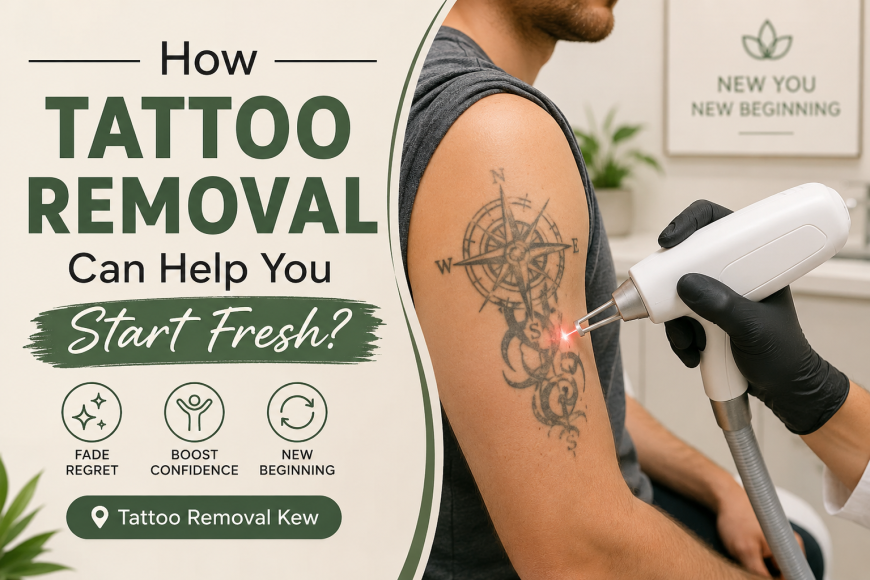
Laser tattoo removal might sound complicated, but the concept is actually quite straightforward. The laser emits short pulses of intense light that penetrate the skin and target the tattoo ink. This light breaks down the ink particles into much smaller fragments.
 davidfenton
Have you ever looked at a tattoo and wished it wasn't there? Maybe it's a name that no longer holds meaning, or perhaps a design that felt right at twenty but doesn't quite fit who you are today. Does your ink tell a story you'd rather forget?
You're certainly not alone. Across Australia, thousands of people are choosing to remove their tattoos and embrace a fresh start. Whether it's for career reasons, personal growth, or simply wanting a clean canvas for new artwork, tattoo removal has become more popular than ever. The technology has improved dramatically, making the process safer and more effective than it was even a decade ago.
Understanding Modern Tattoo Removal
How Does Laser Tattoo Removal Work?
Laser tattoo removal might sound complicated, but the concept is actually quite straightforward. The laser emits short pulses of intense light that penetrate the skin and target the tattoo ink. This light breaks down the ink particles into much smaller fragments.
Once broken down, your body's immune systm gets to work. White blood cells gradually flush these tiny ink particles out through your lymphatic system. Over several weeks and multiple sessions, the tattoo fades bit by bit until it's either significantly lighter or completely gone.
Modern lasers use different wavelengths to target various ink colours. This means even those tricky greens and blues that were once considered impossible to remove can now be treated effectively.
What Are the Different Types of Tattoo Removal Methods?
While laser removal is the gold standard, other methods exist. Surgical excision involves cutting out the tattooed skin and stitching the area closed. This works best for smaller tattoos but leaves a scar.
Dermabrasion essentially "sands" away the top layers of skin. It's less common today due to its unpredictable results and longer recovery time. Some people try tattoo removal creams, though these rarely deliver significant results.
Q-switched lasers and picosecond lasers remain the most effective options available. Picosecond technology is newer and works even faster, often requiring fewer sessions to achieve great results.
Is Tattoo Removal Safe?
When performed by qualified professionals, laser tattoo removal is considered safe. The technology has been refined over decades, and serious complications are rare. However, like any cosmetic procedure, there are potential risks.
Temporary side effects include redness, swelling, and blistering. These typically resolve within a few weeks with proper aftercare. Scarring is possible but uncommon when you follow your technician's instructions carefully.
Choosing an experienced practitioner makes all the difference. Always check credentials and read reviews before booking your first session.
Common Reasons People Seek Tattoo Removal
Career and Professional Opportunities
Let's face it—visible tattoos can sometimes hold you back professionally. Certain industries, particularly corporate environments, healthcare, and law enforcement, may have strict policies about visible ink.
Many Australians find themselves at a crossroads where career advancement requires reconsidering their tattoos. Rather than covering up with long sleeves forever, removal offers a permanent solution.
Relationship Changes and Ex-Partner Tattoos
Few things sting quite like carrying your ex's name on your body. Relationship tattoos often seem like brilliant ideas in the moment, but they rarely age well when the relationship doesn't last.
Getting an ex's name or matching tattoo removed can be incredibly cathartic. It's a physical step toward emotional healing and moving forward with your life.
Outgrowing Your Younger Self
The person you were at eighteen isn't the person you are at thirty-five. Tastes change, values evolve, and sometimes that tribal band or cartoon character simply doesn't represent who you've become.
There's no shame in outgrowing past decisions. In fact, recognising this growth is a positive sign. Removing outdated ink is just another way of honouring your personal evolution.
Covering Up for a Better Design
Sometimes removal isn't about going ink-free—it's about making room for better artwork. Lightening an old tattoo creates a cleaner canvas for a skilled artist to work with.
Cover-up tattoos work best when the original ink is significantly faded. A few laser sessions can transform a cover-up nightmare into a straightforward project.
What to Expect During the Tattoo Removal Process
How Many Sessions Does Tattoo Removal Take?
Most tattoos require between six and twelve sessions for complete removal. However, this varies widely depending on several factors we'll explore shortly.
Sessions are typically spaced six to eight weeks apart. This gives your skin time to heal and your body time to flush out the broken-down ink particles. Patience is genuinely key here.
Does Tattoo Removal Hurt?
Honestly? Yes, it can be uncomfortable. Many people describe the sensation as similar to hot oil splattering on skin or being snapped repeatedly with a rubber band.
The good news is that sessions are relatively quick. A small tattoo might take just a few minutes, while larger pieces could require up to an hour. Most clinics offer numbing cream or cooling devices to manage discomfort.
How Long Does It Take for a Tattoo to Fully Fade?
Complete removal typically takes twelve to eighteen months when you factor in the necessary gaps between sessions. Some stubborn tattoos may take longer.
You'll notice gradual fading after each session. This progressive change helps keep you motivated throughout the process, even when it feels lengthy.
Factors That Affect Tattoo Removal Success
Tattoo Size, Colour, and Ink Quality
Larger tattoos simply require more time and sessions. That full sleeve will take considerably longer than a small wrist tattoo.
Black ink responds best to laser treatment, while colours like yellow, green, and light blue can be trickier. Professional tattoos with high-quality ink often fade more evenly than amateur work.
Skin Type and Location on the Body
People with lighter skin tones typically see faster results because there's greater contrast between the ink and skin. Darker skin tones require more careful treatment to avoid pigmentation changes.
Tattoos closer to your heart tend to fade faster due to better blood circulation. Extremities like ankles and wrists may require additional sessions.
Age of the Tattoo
Older tattoos are generally easier to remove. Over time, your body naturally breaks down some ink particles, giving laser treatment a head start.
Fresh tattoos with vibrant, concentrated ink can be more stubborn. Waiting at least a year after getting inked before starting removal is often recommended.
Tattoo Removal Cost: What You Need to Know
How Much Does Tattoo Removal Cost in Australia?
Prices vary significantly across Australia depending on the clinic and tattoo size. Expect to pay anywhere from $100 to $500 per session for small to medium tattoos.
Larger pieces can cost considerably more, sometimes exceeding $1,000 per session. Most clinics offer package deals when you commit to multiple sessions upfront.
Is Tattoo Removal Worth the Investment?
This depends entirely on your personal circumstances. For many people, the freedom and confidence that comes with removal is priceless.
Consider the long-term benefits against the short-term costs. If your tattoo affects your career prospects, relationships, or self-esteem, removal often proves worthwhile.
.png)
Aftercare and Recovery Tips
How Do You Care for Skin After Tattoo Removal?
Proper aftercare is crucial for optimal results. Keep the treated area clean and dry, applying any recommended ointments as directed.
Avoid sun exposure on the treated skin, as this can cause complications and affect results. Loose, comfortable clothing over the area helps prevent irritation.
What Are the Side Effects of Tattoo Removal?
Common side effects include redness, swelling, and temporary blistering. These typically subside within two weeks of treatment.
Some people experience temporary lightening or darkening of the skin. This usually corrects itself over time, though occasionally changes can be permanent.
Finding the Right Tattoo Removal Clinic
What Should You Look for in a Tattoo Removal Specialist?
Qualifications matter enormously. Look for clinics with certified laser technicians and positive client reviews. Don't be afraid to ask about their experience and the technology they use.
A reputable clinic will offer a consultation before treatment, providing realistic expectations about results and costs. If something feels off during your initial visit, trust your instincts.
Real Stories: Starting Fresh After Tattoo Removal
Countless Australians have transformed their lives through tattoo removal. From professionals landing dream jobs to individuals finally closing painful chapters, the stories are genuinely inspiring
One common thread runs through these experiences: the sense of empowerment that comes with taking control. Removing unwanted ink isn't about erasing your past—it's about choosing your future.
Embrace Your Fresh Start
Tattoo removal offers something truly valuable: the opportunity to redefine yourself. Whether you're pursuing career goals, healing from past relationships, or simply making room for new artwork, this process can be life-changing.
If you're considering tattoo removal, take that first step. Book a consultation, ask questions, and explore your options. Your fresh start is waiting, and there's never been a better time to embrace it. After all, you deserve to feel completely comfortable in your own skin.