Smart Technology Transforming Electrical Substation Design
Explore how smart technologies are reshaping electrical substation design, improving efficiency, reliability, and safety in modern power systems.
 keentel
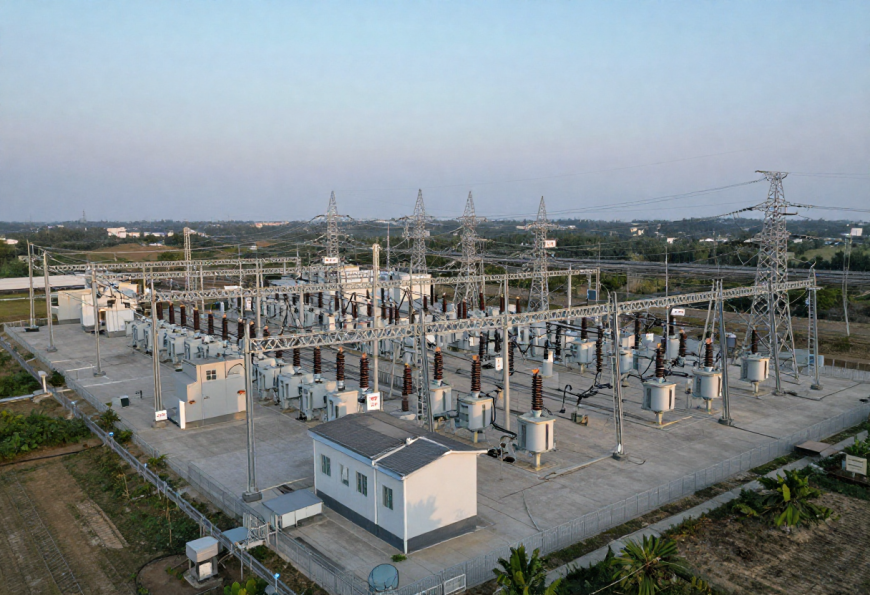
The power industry is undergoing a major transformation, driven by digitalization, automation, and the growing demand for reliable electricity. At the center of this evolution lies electrical substation design, which is no longer limited to traditional layouts and manual systems. Today, substations are becoming smarter, more efficient, and highly responsive to real-time conditions.
For engineering firms and infrastructure developers, understanding how substation engineering design is evolving is essential to stay competitive and future-ready. In this article, we explore the key trends and innovations shaping modern substations.
1. The Shift from Conventional to Smart Substations
Traditional substations relied heavily on electromechanical components, manual monitoring, and localized control systems. While effective in the past, these systems lacked flexibility and real-time responsiveness.
Modern electrical substation design now integrates intelligent electronic devices (IEDs), digital communication protocols, and centralized control systems. These smart substations enable:
-
Real-time monitoring and diagnostics
-
Faster fault detection and isolation
-
Improved operational efficiency
-
Reduced human intervention
This shift is not just technological—it represents a complete transformation in how substations are planned, built, and operated.
2. Integration of Digital Communication Systems
A defining feature of smart substations is the use of advanced communication standards such as IEC 61850. This protocol allows seamless data exchange between devices, eliminating the need for complex wiring systems.
In modern substation engineering design, digital communication offers several benefits:
-
Simplified cabling through fiber optics
-
Faster and more reliable data transmission
-
Interoperability between different manufacturers
-
Scalable and flexible system architecture
By replacing traditional copper wiring with digital networks, substations become more compact, efficient, and easier to maintain.
3. Role of Automation and Intelligent Control
Automation is at the heart of smart substations. Advanced control systems can analyze data, make decisions, and execute actions without human intervention.
In both electrical substation design and substation civil engineering design, automation enhances:
-
Load management and balancing
-
Voltage regulation
-
Fault detection and self-healing capabilities
-
Remote operation and control
For example, automated switching systems can isolate faulty sections instantly, minimizing downtime and improving grid reliability. This is especially important in urban areas where uninterrupted power is critical.
4. Evolving Civil Engineering Considerations
While digital systems are transforming operations, substation civil engineering design is also evolving to support new technologies. Modern substations require infrastructure that accommodates advanced equipment and ensures long-term durability.
Key trends in civil design include:
-
Compact layouts: Digital systems reduce equipment size, allowing smaller land footprints
-
Modular construction: Prefabricated components enable faster installation and scalability
-
Enhanced safety measures: Improved grounding systems and fire protection designs
-
Environmental sustainability: Use of eco-friendly materials and better stormwater management
Civil engineers now work closely with electrical engineers to ensure that physical infrastructure aligns with digital requirements.
5. Cybersecurity and Data Protection
As substations become more connected, cybersecurity has emerged as a critical concern. Smart substations rely on data networks, making them vulnerable to cyber threats if not properly secured.
Modern substation engineering design incorporates robust cybersecurity measures such as:
-
Secure communication protocols
-
Firewalls and intrusion detection systems
-
Role-based access control
-
Continuous monitoring and threat analysis
Protecting substation data is essential not only for operational integrity but also for national infrastructure security.
6. Supporting Renewable Energy Integration
The global shift toward renewable energy sources like solar and wind has added new complexities to electrical substation design. Unlike traditional power generation, renewables are variable and decentralized.
Smart substations play a crucial role in managing this transition by:
-
Handling fluctuating power inputs
-
Enabling grid synchronization
-
Supporting distributed energy resources (DERs)
-
Facilitating energy storage integration
Advanced analytics and automation help maintain grid stability even with unpredictable energy sources, making substations a key enabler of sustainable energy systems.
7. Data-Driven Maintenance and Asset Management
Another major advancement in substation engineering design is the use of data analytics for predictive maintenance. Sensors installed across equipment continuously collect performance data.
This allows operators to:
-
Detect potential failures before they occur
-
Schedule maintenance proactively
-
Extend equipment lifespan
-
Reduce operational costs
Instead of reactive maintenance, smart substations adopt a proactive approach, improving reliability and efficiency.
Conclusion
The evolution of electrical substation design is redefining the future of power systems. With the integration of smart technologies, substations are becoming more intelligent, efficient, and resilient than ever before.
From advanced communication systems and automation to modern substation civil engineering design and cybersecurity, every aspect of substation development is undergoing transformation. These innovations not only enhance performance but also support the growing demand for sustainable and reliable energy.
For companies like Keentel Engineering, staying ahead in substation engineering design means embracing these advancements and delivering solutions that meet the challenges of tomorrow’s energy landscape.