Reverse Vending machine: a smarter way of recycling and being more sustainable
 tomrobots
Recycling has been considered an easy but effective means through which individuals, businesses, and governments will reduce wastage and conserve the environment. Nevertheless, the conventional model of recycling tends to be manual, unequal participation, and lack of incentives. To overcome such obstacles, reverse vending machine (RVMs) have been developed as a new technology that is easy to use and recycle, as well as rewards individuals to recycle.
What Is a Reverse Vending machine?
A reverse vending machine is a device that is an automated recycling system that collects used beverage containers like plastic bottles, aluminum cans, and glass bottles and reuses or recycles them. RVMs operate in a different way compared to the conventional vending machines, where the containers (usually empty) are put in, and the machine recognizes, sorts, and stores them to be recycled. Users in turn can get incentives such as cash, vouchers, reward points or even charitable donations.
This one-two punch on convenience and reward has seen the reverse vending machines become an attractive choice to communities and organizations interested in enhancing the rate of recycling and the lessening of waste in a quantifiable manner.
The way Reverse Vending Machines work.
The main idea behind a reverse vending machine is a complex of smart technologies that will help the recycling process as easy as possible:
Container Identification: Individuals place their bottles and cans into the machine. The RVM then detects the material, be it plastic, aluminum or even glass using sensors and scanning technology and then ensures the material is recyclable.
Sorting and Storage: After the acceptance of the material it is automatically deposited into special bins or compartments in the machine. The garbage is also compacted by some machines to give maximum storage space.
User Incentives: Upon processing, the user is rewarded. This can be in the form of cash or in digital form or discount vouchers or loyalty points. The reward system will motivate users to recycle more often and strengthen positive environmental behavior.
Data and Alerts: The RVMs nowadays also connect to management systems and apps on the phone that monitor usage and manage warnings in case of full capacity and give valuable data to administrators on the recycling trends in the machine.
These intelligent capabilities ensure reverse vending machines are not a simple recycling instrument, but a larger initiative to involve communities and develop behaviors that are sustainable.
Advantages of Reverse Vending Machines
The reverse vending machines have various benefits to the users and organizations:
1. Greater Recycling Attention.
Conventional recycling methods usually presuppose that individuals should go the extra mile of sorting and depositing the recycleables at the relevant centers. This may be inconveniencing and time consuming. Supermarkets, transit stations, campuses, and even public parks are places where people have always been; so recycling can be taken there and make it easier to get involved. Recycling is a practice that more individuals engage in when it is easy.
2. Incentives That Motivate
The incentive system is one of the best attributes of reverse vending machines. It could be cash-back, loyalty points, or electronic rewards, but the user is guaranteed to recycle more when they know they have a physical reward. Such incentives do not only boost the level of recycling but also create awareness regarding the issue of environmental responsibility.
3. Efficient Sorting and Storing.
Manual sorting is time consuming and it is also subject to errors. RVMs facilitate the process of identification and sorting whereby the materials will be separated and stored accordingly. Other models even condense the recyclables and thus, the amount of waste stored is less and the number of collections that have to be done is also less.
4. Big Data Waste Management.
Connectivity (e.g., mobile applications, cloud reporting, etc.) will allow administrators to track machine usage, be notified when bins are filling up, and understand the trends in recycling. This will maximize collection routes, minimize the operation cost, and better arrange sustainability initiatives.
5. In support of a Circular Economy.
The recycling of used containers into recyclable raw materials by the RVMs is a good contribution to the circular economy. The materials that are obtained using these machines are recycled, refurbished, and transformed to new products which minimize the consumption of virgin resources, and diminish pollution.
Reverse Vending Machines applications
Reverse vending machines are also multifunctional and can locate in any type of place:
Supermarkets & Retail Stores: Customers who are shopping should be encouraged to recycle.
Educational Campuses: Universities and schools install RVMs to teach students how to be green and how to control wastes in an efficient manner.
Public Transit Hubs: The installation of an RVM in high-pedestrian train and bus stations identifies the recyclables.
Community Centers/Parks: Have easy access points to recycling of visitors and residents.
Corporate Campuses: sustain corporate engagement and corporate sustainability.
Such machines are particularly useful in the city, where there are more people and more waste is produced and can be efficiently recycled.
Real-World Impact
Societies where the concept of reverse vending machines is applied have recorded remarkable increase in the rate of recycling. As one example, thousands of containers are often collected each month in places with active RVM programs and this is saving landfills a lot of waste. In addition to minimizing waste, the existence of RVMs contributes to increasing the awareness of people regarding recycling and makes people become more environmentally responsible.
RVMs are also combined with government recycling deposit programs in certain areas, which has helped in the support of incentive programs, and made recycling an aspect of daily life.
The reason of selected TomRobots Reverse Vending Machines
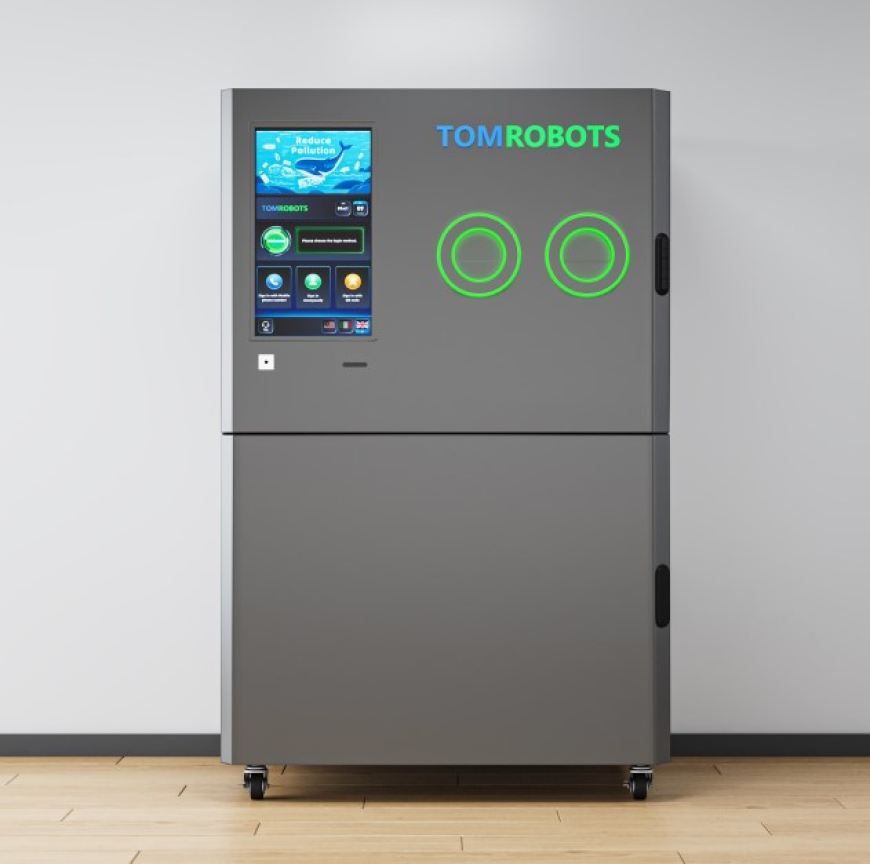
TomRobots provides superior and stable reverse vending machines, which were built to be efficient and sustainable. The features present in our RVMs are:
PET and can dual entrances.
Smart weight and liquid identification.
App-based QR code user log in.
Real time notifications when machines are almost full.
4G internet and live location tracking.
Long-lasting construction, which is ecologically friendly.
As a municipality, retailer, campus manager or sustainability leader, the recycling vending machines offered by TomRobots are a current and effective way to lessen wastage, promote recycling.
Final Thoughts
Reverse vending machines by Tom Robots are the start of a landmark direction in more efficient, rewarding and involving recycling. People will be more inclined to do the right thing, and are more likely to get rewarded by the use of automation, incentives, and smart data reporting. With the world posing sustainable solutions that can be applied both in the urban and rural setting, reverse vending machines will only become more significant and influential.