Retirement Made Easy The Role of Early Financial Planning
In today’s unpredictable economy, the role of early financial planning has never been more crucial. Let’s explore why early planning is the key to retiring with peace of mind and financial freedom.
 freezum
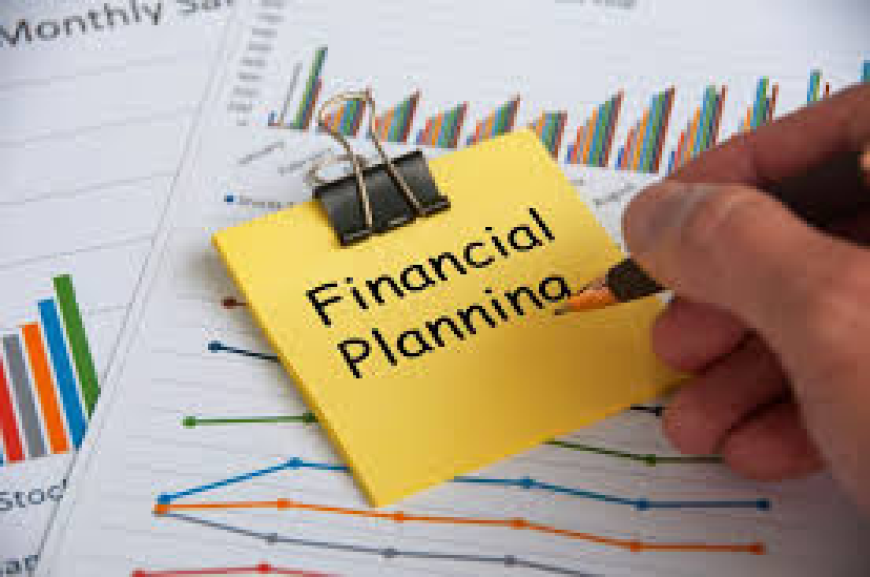
For many, the word “retirement” brings to mind dreams of relaxation, travel, and enjoying the rewards of decades of hard work. However, achieving a stress-free and financially secure retirement doesn't happen by chance—it requires thoughtful and proactive financial planning, especially when started early. In today’s unpredictable economy, the role of early financial planning has never been more crucial. Let’s explore why early planning is the key to retiring with peace of mind and financial freedom.
Why Early Financial Planning Matters
The earlier you start financial planning, the more advantages you gain. Time is a powerful ally when it comes to building wealth. With decades ahead of you, compound interest becomes a tool that can multiply your savings significantly. Starting in your 20s or 30s gives you the flexibility to make smaller contributions over time, avoiding the financial pressure that often comes with late-stage retirement planning.
For instance, if you begin investing $200 a month at age 25 with an average return of 7%, you could have over $500,000 by the time you're 65. Waiting until age 40 to begin? You’d need to invest more than double each month to reach the same amount. Clearly, time is your biggest financial asset.
Setting Clear Retirement Goals
Early financial planning starts with setting clear, realistic retirement goals. Consider the lifestyle you envision—where you’ll live, the activities you want to pursue, and whether you'll have ongoing expenses like a mortgage or healthcare costs. Estimating the cost of this lifestyle helps define how much money you'll need by the time you retire.
Ask yourself:
-
At what age do I want to retire?
-
What will my monthly expenses look like during retirement?
-
Will I travel or relocate?
-
What sources of income will I rely on (e.g., pension, social security, personal savings)?
These questions form the foundation of a tailored financial plan.
Budgeting and Saving Early
One of the first steps in early financial planning is developing strong saving habits. That starts with creating a monthly budget that allocates a specific portion of your income toward retirement. Financial experts typically recommend saving at least 15% of your gross income annually for retirement. If 15% isn’t realistic at the beginning, start with a smaller percentage and increase it gradually as your income grows.
Automating contributions to a retirement account (such as a 401(k) or IRA) ensures consistency. The earlier you start, the less likely you’ll need to make drastic sacrifices later in life to make up for lost time.
Investing for Long-Term Growth
Saving alone may not be enough to outpace inflation and rising living costs. That’s where investing comes in. Early financial planning gives you a longer investment horizon, allowing you to take advantage of higher-risk, higher-reward assets like stocks. Over the long term, these assets historically outperform safer options like bonds or savings accounts.
A diversified portfolio aligned with your risk tolerance is essential. Early in your career, you might favor aggressive investments, then gradually shift toward conservative assets as retirement nears. Working with a financial advisor or using robo-advisors can help structure an investment strategy that evolves with your age and goals.
Taking Advantage of Employer-Sponsored Retirement Plans
Many employers offer retirement plans such as 401(k)s or pensions,financial planning often with matching contributions. This “free money” is an incredible asset in your retirement planning strategy. If your employer matches 50% of your contributions up to a certain amount, not contributing enough to get the full match is essentially leaving money on the table.
Be sure to understand:
-
The matching policy
-
Vesting schedules (how long you need to stay with the company to keep employer contributions)
-
Investment options within the plan
Maximizing these benefits early can lead to substantial long-term growth.
Managing Debt Alongside Saving
Balancing debt repayment with saving for retirement can be challenging, especially for younger adults facing student loans or credit card balances. However, with proper planning, it’s possible to manage both effectively.
The key is prioritization:
-
Focus on high-interest debt first while maintaining minimum retirement contributions.
-
Once high-interest debt is under control, increase retirement savings aggressively.
-
Avoid taking on new unnecessary debt that could compromise your savings goals.
Early financial planning allows you to navigate these responsibilities in parallel, reducing financial stress over time.
Planning for Healthcare and Emergencies
Healthcare is one of the largest expenses in retirement. Early planning includes preparing for medical costs through savings vehicles like Health Savings Accounts (HSAs). These accounts offer triple tax benefits—contributions are tax-deductible, growth is tax-free, and withdrawals for medical expenses are also tax-free.
Additionally, building an emergency fund (ideally 3-6 months’ worth of living expenses) ensures you won’t have to dip into retirement savings in case of unexpected expenses. Protecting your investments from early withdrawals is critical to maintaining momentum toward your retirement goals.
Periodic Review and Adjustment
Financial planning isn’t a one-time event—it’s an ongoing process. Life changes, economic conditions shift, and goals evolve. Regularly reviewing and adjusting your plan ensures it stays aligned with your current reality. As you progress in your career, receive raises, or experience changes in family dynamics, your plan should reflect those developments.
Use annual check-ins to:
-
Reevaluate goals
-
Adjust contribution amounts
-
Rebalance investment portfolios
-
Plan for upcoming major expenses
Final Thoughts
Early financial planning makes retirement easier, not just financially but emotionally. Knowing you’re on track brings confidence and reduces anxiety about the future. While retirement may seem far off when you're young, the actions you take today—setting goals, saving, investing, and managing debt—will determine the quality of life you enjoy later.
Don’t wait until retirement feels close to start planning for it. The earlier you begin, the more options and flexibility you’ll have. Whether you're fresh out of college or already in your 30s or 40s, it’s never too early (or too late) to take control of your future.
See more our website : visit here