Nasha Mukti Kendra in Malerkotla: Your Friendly Guide to Getting Life Back on Track
A simple, supportive guide to finding the right path toward recovery, renewed confidence, and a healthier life in Malerkotla.
 Paryas Foundation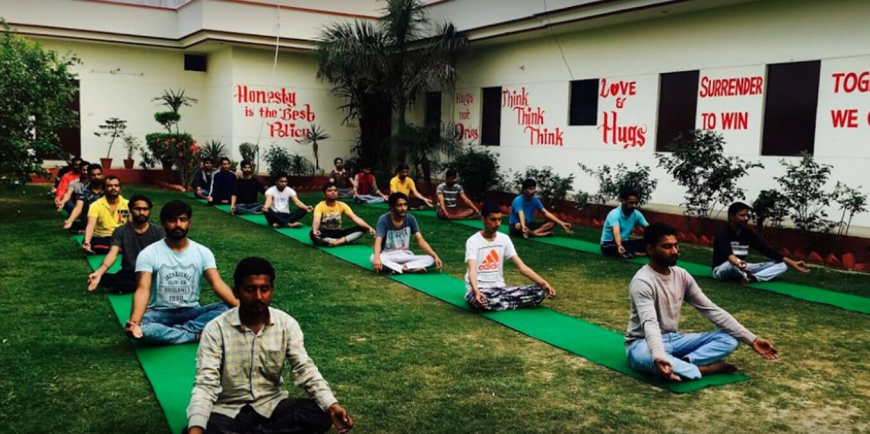
Let's be honest — nobody wakes up one day and says, "You know what would be great? A lifelong battle with addiction." It creeps in slowly, disguised as stress relief, peer pressure, or "just one drink to unwind." And before you know it, that one drink or one puff has moved into your house, taken over your fridge, and started paying rent in your brain.
The good news? Malerkotla now has solid, professional help close to home. A good Nasha Mukti Kendra in Malerkotla isn't a scary, judgmental place with locked doors and cold stares — it's more like a pit stop where you refuel, fix the engine, and get back on the road of life. Let's talk about what that actually looks like.
What Exactly Is a Nasha Mukti Kendra?
"Nasha Mukti Kendra" simply means a de-addiction center — a place where people struggling with alcohol, drugs, or other substance dependencies get structured medical and psychological support to quit safely. Think of it as a gym, but instead of building biceps, you're rebuilding willpower, health, and relationships.
These centers typically combine:
-
Medical detox (safely managing withdrawal symptoms)
-
Counseling and therapy (individual and group)
-
Family support sessions
-
Yoga, meditation, and physical activity
-
Vocational or life-skills training for a fresh start
Why Malerkotla Needs (and Has) Good Recovery Support
Punjab's battle with substance abuse isn't exactly a secret — it's been discussed in news, films, and dinner-table conversations for years. Malerkotla, like many towns in the region, hasn't been untouched by this. But here's the silver lining: awareness has grown, stigma is slowly shrinking, and quality de-addiction centers have popped up to meet the need head-on.
A well-run Nasha Mukti Kendra in Malerkotla gives locals the advantage of getting help without traveling far from family — because recovery works best when your support system isn't three cities away.
What Makes a Good De-Addiction Center? (Spoiler: It's Not Just Four Walls)
Not all centers are created equal, so here's a quick checklist before choosing one:
1. Qualified Medical Staff
Detox can be physically risky if not supervised properly. Always confirm the center has trained doctors, nurses, and psychiatrists on board — not just well-meaning staff with good intentions.
2. Individualized Treatment Plans
Addiction isn't one-size-fits-all, so treatment shouldn't be either. A good center evaluates each person and builds a plan around their specific substance, history, and mental health needs.
3. Post-Recovery Support
Getting clean is step one. Staying clean is the real marathon. Look for centers offering aftercare programs, support groups, and regular follow-ups.
4. A Judgment-Free Environment
If a center makes you feel like you're on trial, that's a red flag. Recovery thrives on compassion, not shame.
5. Family Involvement
Addiction affects the whole household, not just the individual. Centers that involve family in counseling tend to see better long-term outcomes.
Breaking the Stigma, One Honest Conversation at a Time
Here's a fun (okay, not fun, but important) fact: seeking help for addiction takes more courage than most people realize. It's easy to judge from the outside, much harder to admit "I need help" out loud. So if you or someone you know is considering treatment, that's not weakness — that's the bravest decision on the table.
Society still whispers about "nasha" like it's a taboo topic best discussed behind closed doors. But silence doesn't cure addiction — treatment does. The more openly we talk about de-addiction centers as places of healing (not punishment), the more people will actually walk through their doors.
The Road to Recovery: What to Expect
-
Assessment – Doctors evaluate physical and mental health.
-
Detoxification – Safely clearing substances from the body under medical supervision.
-
Therapy & Counseling – Understanding triggers, building coping mechanisms.
-
Skill-Building – Yoga, meditation, vocational training to rebuild confidence.
-
Aftercare – Ongoing support to prevent relapse.
Recovery isn't a straight line — it's more like a Punjabi wedding dance: two steps forward, occasional missteps, but the music keeps playing, and eventually, everyone's back in rhythm.
Final Thoughts
Choosing to seek help — or supporting someone who is — takes courage, patience, and a good support system. A reliable Nasha Mukti Kendra in Malerkotla can be that turning point where struggle transforms into strength.
Because at the end of the day, recovery isn't about erasing the past. It's about writing a better next chapter — one clear-headed, hopeful day at a time.