Miniature Circuit Breaker Guide | Circuit Breakers for Electrical Safety
Discover everything about miniature circuit breaker technology, circuit breakers, safety benefits, installation tips, and choosing the right protection solution.
 lenoragrace
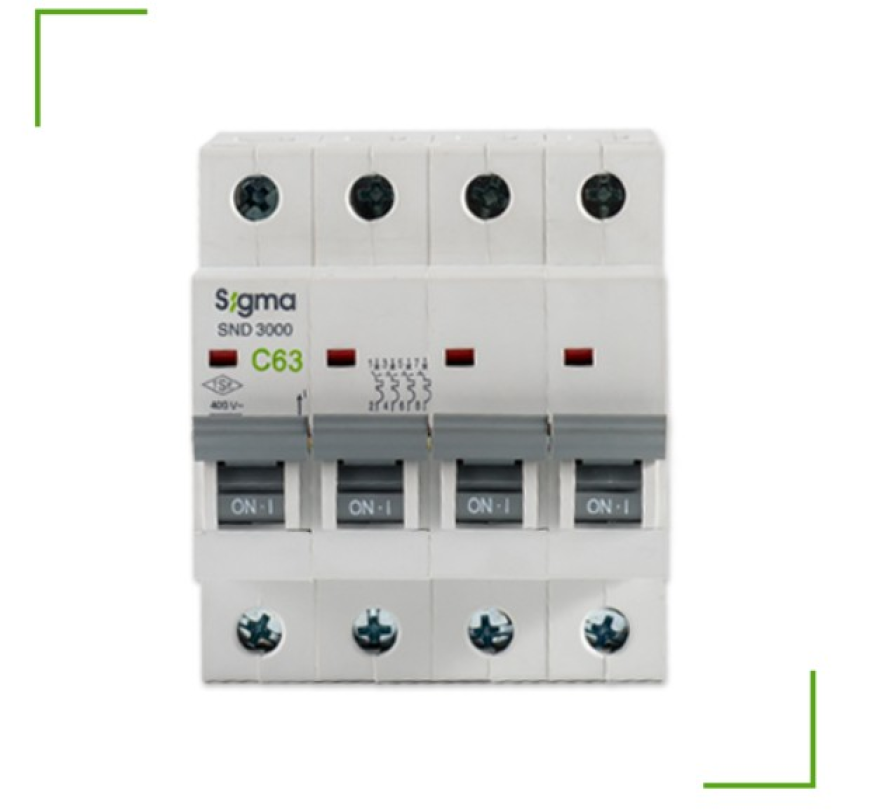
Miniature Circuit Breaker
Electrical safety has become one of the most important concerns for homeowners, businesses, and industrial facilities. Whether you are managing a residential property or a commercial building, the right miniature circuit breaker can make the difference between a safe electrical system and costly damage.
Modern circuit breakers are designed to protect wiring, appliances, and electrical equipment from overloads and short circuits. Unlike traditional fuses, a miniature circuit breaker can be reset after it trips, making it a more practical and cost-effective safety solution. This is one reason why professional electricians now prefer circuit breakers over older protection methods.
What Is a Miniature Circuit Breaker and How Does It Work?
A miniature circuit breaker is an automatic electrical protection device that disconnects power when abnormal current conditions occur. The primary purpose of circuit breakers is to prevent electrical fires, wiring damage, and equipment failure caused by overloads or short circuits.
When excessive current flows through a circuit, the miniature circuit breaker detects the fault and interrupts the electrical supply. Once the issue is resolved, the device can usually be reset without replacement. Traditional fuses, on the other hand, must be replaced every time they blow.
This simple functionality has made the miniature circuit breaker one of the most widely used electrical protection devices in homes, offices, and industrial facilities.
Why Circuit Breakers Have Replaced Traditional Fuses
For decades, electrical installations relied heavily on fuses. While effective, fuses created maintenance challenges because they had to be replaced after every fault condition.
Today's circuit breakers offer a smarter approach. A miniature circuit breaker automatically disconnects the circuit and can be reset after troubleshooting. This saves both time and maintenance costs while improving overall electrical safety.
Key advantages include:
- Faster fault isolation
- Improved electrical protection
- Reduced maintenance requirements
- Better user convenience
- Increased equipment lifespan
Because of these benefits, modern electrical panels are now built around miniature circuit breaker technology instead of traditional fuse systems.
Importance of Miniature Circuit Breakers in Residential Electrical Systems
Every residential electrical installation should include properly rated circuit breakers to protect lighting circuits, power outlets, and household appliances.
A high-quality miniature circuit breaker helps prevent damage caused by overloaded circuits. For example, when multiple high-power appliances operate simultaneously, the electrical load can exceed safe limits. In such situations, circuit breakers disconnect the power before wires overheat.
Without a properly functioning miniature circuit breaker, electrical faults may result in:
- Fire hazards
- Damaged appliances
- Melted wiring
- Expensive repair costs
- Power interruptions
This is why electricians consider circuit breakers a fundamental part of every modern electrical distribution board.
Different Types of Circuit Breakers Available Today
Not all circuit breakers are identical. Different applications require different protection levels.
Single-Pole Miniature Circuit Breaker
A miniature circuit breaker with a single pole is commonly used in residential lighting and socket circuits. These circuit breakers provide reliable protection for everyday electrical loads.
Double-Pole Circuit Breakers
Double-pole circuit breakers are used for larger electrical loads where both live conductors require protection.
Three-Pole and Four-Pole Miniature Circuit Breakers
Industrial and commercial installations often use three-pole or four-pole miniature circuit breaker models for three-phase power systems. These advanced circuit breakers offer protection for motors, machinery, and distribution panels.
Understanding Breaking Capacity in Miniature Circuit Breakers
One of the most important specifications when selecting a miniature circuit breaker is breaking capacity.
Breaking capacity refers to the maximum fault current that circuit breakers can safely interrupt without damage.
Many modern miniature circuit breaker models are available with:
- 3kA breaking capacity
- 4.5kA breaking capacity
- 6kA breaking capacity
- 10kA breaking capacity
- 16kA breaking capacity
The appropriate rating depends on the electrical installation and expected fault levels. Professional electricians typically calculate these requirements before selecting circuit breakers for a project.
Key Features to Look for When Buying Circuit Breakers
Choosing the right miniature circuit breaker requires more than simply matching the current rating.
Important factors include:
Current Rating
The miniature circuit breaker should match the circuit's expected electrical load.
Tripping Characteristics
Different circuit breakers are available with B, C, and D curve characteristics for various applications. These settings determine how quickly the breaker reacts to different fault conditions.
Compliance Standards
Quality miniature circuit breaker products comply with recognized electrical safety standards to ensure reliable performance.
Durability
Reliable circuit breakers should withstand years of operation without performance degradation.
Why Professionals Recommend Quality Miniature Circuit Breakers
Electrical professionals understand that low-quality circuit breakers can create serious safety risks.
A premium miniature circuit breaker provides:
- Consistent fault detection
- Reliable overload protection
- Better short-circuit response
- Longer operational lifespan
- Reduced maintenance requirements
Miniature Circuit Breaker vs Traditional Fuse: Which Protection Method Is Better?
For many years, electrical systems depended on fuses for protection. While fuses still provide basic safety, a miniature circuit breaker offers significant advantages in terms of reliability, convenience, and long-term cost savings.
A major reason professionals prefer circuit breakers is their reset capability. Once a fault is resolved, a miniature circuit breaker can simply be switched back on. A fuse, however, must be replaced every time it operates.
Comparison Between Miniature Circuit Breakers and Fuses
Feature Miniature Circuit Breaker Fuse Reusable Yes No Maintenance Cost Low Higher Safety Level High Moderate Fault Detection Automatic Automatic Reset Capability Yes No Service Life Long Limited Because of these advantages, modern electrical installations increasingly rely on circuit breakers instead of traditional fuse technology.
Understanding the Difference Between MCB, RCCB, and MCCB
Many people confuse different types of circuit breakers because their names sound similar. However, each device serves a unique purpose.
Miniature Circuit Breaker (MCB)
A miniature circuit breaker protects against overloads and short circuits in residential and commercial electrical systems.
A standard miniature circuit breaker is commonly installed in homes, offices, and retail properties to safeguard wiring and connected equipment.
Residual Current Circuit Breaker (RCCB)
Unlike standard circuit breakers, an RCCB focuses on leakage current protection. It helps reduce electric shock risks by disconnecting power when abnormal leakage occurs.
Molded Case Circuit Breaker (MCCB)
An MCCB is designed for higher current applications. These heavy-duty circuit breakers are commonly used in industrial environments where larger electrical loads require advanced protection.
Understanding these differences helps property owners choose the correct miniature circuit breaker or protective device for specific applications.
Common Installation Mistakes That Affect Circuit Breaker Performance
Even the highest-quality miniature circuit breaker can fail to provide proper protection if installed incorrectly.
Using the Wrong Current Rating
One common mistake is selecting a miniature circuit breaker with an incorrect amperage rating. Oversized circuit breakers may fail to trip when needed, while undersized units can cause unnecessary interruptions.
Poor Connection Tightness
Loose terminal connections can create heat buildup and reduce the effectiveness of circuit breakers.
Mixing Different Protection Standards
Electrical panels should use compatible miniature circuit breaker models designed according to recognized standards and specifications.
Ignoring Load Calculations
Improper load calculations may cause frequent tripping and reduce the effectiveness of circuit breakers over time.
Professional installation ensures every miniature circuit breaker performs according to its intended design.
How to Choose the Right Miniature Circuit Breaker for Your Property
Selecting the proper miniature circuit breaker requires evaluating several technical factors.
Evaluate Electrical Load Requirements
A correctly rated miniature circuit breaker should match the expected electrical demand of the circuit.
Determine Application Type
Different circuit breakers are designed for residential, commercial, and industrial environments. Choosing the right category improves performance and safety.
Consider Future Expansion
Property owners planning future upgrades should select miniature circuit breaker solutions that accommodate potential load increases.
Verify Compliance Standards
Reliable circuit breakers should comply with international electrical safety requirements to ensure long-term performance.
These considerations help buyers invest in a miniature circuit breaker solution that delivers dependable protection for years.