Line Boring: The Complete Guide to Restoring Heavy Equipment Precision
Discover how line boring restores worn equipment, improves alignment, and reduces downtime with professional on-site line boring and portable machining services.
 lintechlineboring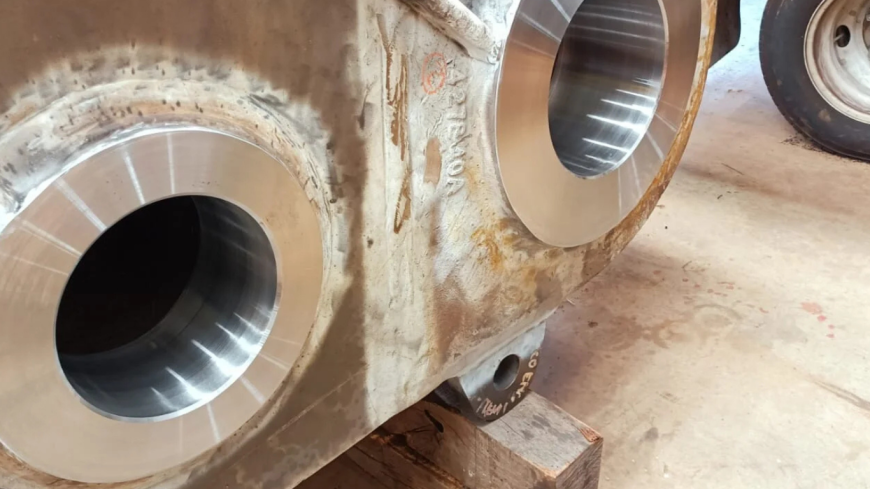
Wear and misalignment are unavoidable realities in heavy machinery operation. Over time, pivot points begin to loosen, components wear unevenly, and equipment performance declines. Line boring is one of the most effective repair methods for restoring precision and extending the life of heavy equipment without replacing expensive structural components.
Industries such as construction, mining, and agriculture rely on accurate bore alignment to maintain efficiency. When alignment fails, productivity drops — but modern machining solutions offer a faster, more cost-effective alternative to replacement.
This guide explains how line boring works, why it matters, and when equipment owners should consider professional repair.
What Is Line Boring?
Line boring is a precision machining process used to repair worn or misaligned bore holes found in heavy equipment joints. These bores allow pins and bushings to rotate smoothly while carrying heavy operational loads.
As machinery operates under constant stress, these holes gradually become oval-shaped instead of perfectly round. This small change creates larger mechanical problems over time.
Professional line boring services restore the bore’s original diameter and alignment by machining it back to exact tolerances, allowing components to function as designed.
Typical repair locations include:
- Excavator arms and booms
- Loader bucket linkages
- Crane pivot assemblies
- Hydraulic cylinder mounts
- Mining equipment structures
Why Bore Wear Happens in Heavy Machinery
Heavy equipment operates in harsh environments where friction, pressure, and contamination accelerate wear.
Key causes include:
- Continuous load stress
- Insufficient lubrication
- Dust and debris contamination
- Misalignment between components
- Delayed maintenance schedules
Even minor bore wear increases vibration and uneven load distribution, leading to rapid component failure if ignored.
How Line Boring Works
The line boring process focuses on restoring accuracy rather than replacing parts.
Inspection and Measurement
Technicians evaluate bore condition using precision measuring tools to determine wear levels and alignment deviation.
Equipment Setup
A boring bar is installed through the damaged bores and aligned precisely along the original centerline.
Precision Machining
The cutting tool removes damaged material evenly, restoring the circular shape and alignment.
Final Restoration
Bushings or sleeves may be installed to ensure long-term durability.
Using portable machining services, this entire repair can often be completed directly at the worksite.
Benefits of Line Boring Over Equipment Replacement
Reduced Downtime
Transporting large machines to workshops can delay projects significantly. On-site line boring services allow repairs to happen immediately where the equipment operates.
Lower Repair Costs
Replacing structural components involves labor, transportation, and extended downtime. Line boring restores existing parts instead.
Improved Equipment Performance
Correct alignment reduces vibration, improves hydraulic efficiency, and enhances operational accuracy.
Longer Equipment Lifespan
Properly restored bores reduce stress on pins and bushings, preventing recurring damage.
Real-World Scenario: Construction Equipment Recovery
A contractor operating multiple excavators noticed excessive bucket movement affecting digging precision. Replacing the boom assembly would have required weeks of downtime.
Instead, technicians used mobile line boring services to restore worn pivot points directly on-site. The repair was completed within two days, allowing the project to continue without major delays.
This example demonstrates how machining-based repairs directly impact productivity and operational costs.
Industries That Depend on Line Boring
Line boring plays a critical role across industries where heavy pivot movement occurs:
- Construction and earthmoving
- Mining operations
- Agriculture machinery
- Marine equipment maintenance
- Industrial manufacturing plants
Any equipment relying on rotating joints benefits from precision bore restoration.
Signs Your Equipment Needs Line Boring
Early detection prevents costly structural damage. Watch for:
- Loose pins or excessive play
- Uneven bushing wear
- Knocking sounds during operation
- Misaligned attachments
- Frequent component replacements
Scheduling line boring services at the first sign of wear helps avoid major failures.
Risks of Ignoring Bore Misalignment
Many operators continue working despite early symptoms, but delayed repairs often lead to:
- Structural cracking
- Increased fuel consumption
- Hydraulic inefficiency
- Safety risks
- Unexpected equipment shutdowns
Timely repairs using portable machining services stop damage before it spreads to surrounding components.
Why On-Site Line Boring Is Becoming Industry Standard
Modern industries prioritize efficiency and reduced downtime. Instead of transporting heavy machinery, technicians now bring precision equipment directly to the job site.
On-site line boring services provide:
- Faster turnaround times
- Reduced logistical challenges
- Lower operational disruption
- Immediate problem resolution
This shift reflects the growing demand for flexible maintenance solutions.
Preventive Maintenance Tips to Reduce Bore Wear
While wear cannot be eliminated, proper maintenance slows deterioration:
- Maintain lubrication schedules
- Inspect pivot joints regularly
- Replace bushings early
- Monitor vibration changes
- Schedule periodic machining inspections
Preventive care combined with mobile line boring services helps maintain consistent equipment performance.
Conclusion
Line boring is a critical repair process that restores alignment, improves performance, and extends the lifespan of heavy equipment. Rather than replacing costly components, businesses can rely on precision machining to bring machinery back to optimal condition.
With the availability of line boring services, portable machining services, and on-site line boring services, equipment owners now have faster and more efficient repair solutions that minimize downtime while maximizing productivity.
Frequently Asked Questions (FAQs)
What is line boring used for?
It restores worn or misaligned bore holes in heavy machinery, ensuring smooth movement and proper load distribution.
Can line boring be performed on-site?
Yes, on-site line boring services allow technicians to repair equipment directly at the job location.
How long does a line boring repair last?
When performed correctly, repairs can last as long as the original manufacturer's tolerances with proper maintenance.
Is line boring cheaper than replacing parts?
In most situations, it is significantly more cost-effective because existing components are restored instead of replaced.
Which industries use mobile line boring services?
Construction, mining, agriculture, marine, and industrial sectors frequently rely on these services.
What causes bore wear in heavy equipment?
Continuous stress, poor lubrication, contamination, and misalignment are the most common causes.