Learn Unity 3D: Why So Many Beginners Quit Too Early
 jamessmiths
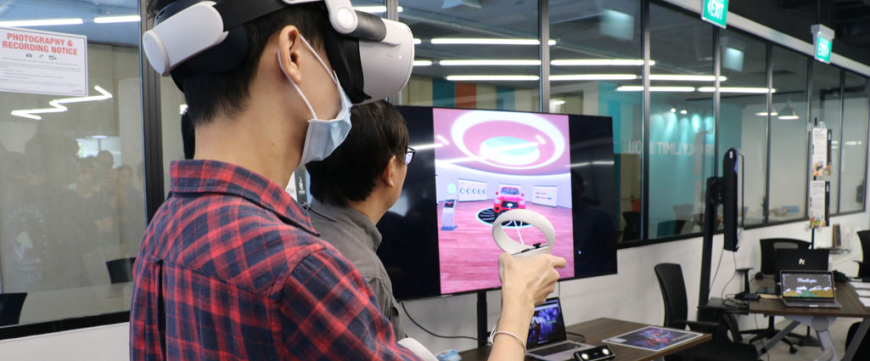
Almost every aspiring game developer eventually hears the same advice: “Start with Unity.”
And for good reason.
Unity has become one of the most widely used game engines for beginners, indie developers, mobile games, AR/VR experiences, and even real-time interactive media.
But there is one problem most beginners face.
They install Unity, follow a few tutorials, create basic movement systems, and then suddenly feel overwhelmed when projects become more complex. Slowly, motivation disappears, and learning stops.
The issue is rarely talent.
Most beginners simply try learning Unity without understanding how the learning process actually works.
Why Unity 3D Remains One of the Best Engines for Beginners
Unity works well for beginners because it allows developers to start small while gradually building more advanced systems over time.
Simple mechanics like:
-
Player movement
-
Collision systems
-
UI interactions
-
Camera controls
-
Animation workflows
all help beginners understand how games are structured behind the scenes.
One of Unity’s biggest strengths is that it teaches developers how different systems connect together inside a playable experience. That hands-on feedback helps learning feel practical instead of purely theoretical.
Most Beginners Learn Unity in the Wrong Order
One of the biggest reasons people struggle with Unity is information overload.
Many tutorials jump directly into advanced features without helping beginners understand the fundamentals first. As projects grow, even small systems start feeling confusing when core concepts are unclear.
Strong Unity learning usually happens in layers:
-
Understanding the editor
-
Learning movement and interaction
-
Building gameplay systems
-
Creating complete small projects
-
Improving polish, UI, and optimization
Skipping these stages often leads to frustration later.
That is why structured learning matters so much for aspiring game developers.
Unity Is Used Far Beyond Gaming
Many beginners still think Unity is only used for game development.
In reality, Unity is now widely used across:
-
Mobile gaming
-
AR/VR experiences
-
Interactive simulations
-
Real-time 3D production
-
Virtual environments
-
Film and immersive media
The same core systems developers learn inside games often apply to interactive experiences in other industries as well.
For aspiring creators, learning Unity can open opportunities far beyond traditional gaming careers.
Learning Unity Through Real Projects Changes Everything
Watching tutorials can help beginners get started, but real progress usually happens when developers begin building complete projects themselves.
That process teaches:
-
Problem-solving
-
Gameplay logic
-
Debugging workflows
-
System-level thinking
-
Player interaction design
Even simple projects help beginners understand how real game development pipelines work.
This beginner-friendly guide from MAGES Institute explores how aspiring developers can approach Unity 3D more effectively while understanding the roadmap, tools, and skills involved in becoming a game developer.
It also breaks down how Unity connects to real-world creative industries and interactive production workflows.
The Future of Game Development Is Real-Time
As interactive technology continues evolving, real-time engines like Unity are becoming increasingly important across gaming, immersive media, simulation, and digital production.
Studios are actively looking for creators who understand both technical execution and player experience.
For beginners entering the industry, learning Unity is often one of the first major steps toward building those skills.
Final Thoughts
Unity is not impossible to learn.
What makes it difficult is learning randomly without understanding the bigger picture behind game development.
With the right roadmap, consistent practice, and hands-on projects, beginners can gradually move from simple mechanics to fully interactive experiences.
Explore industry-focused game development programmes at MAGES Institute and start building your journey into game development.