Kitchen Renovation in Dubai: How to Design for Heat, Humidity, and Daily Use
Discover smart kitchen renovation ideas in Dubai designed for heat, humidity, durability, ventilation, and comfortable daily use with practical solutions.
 Yoiman
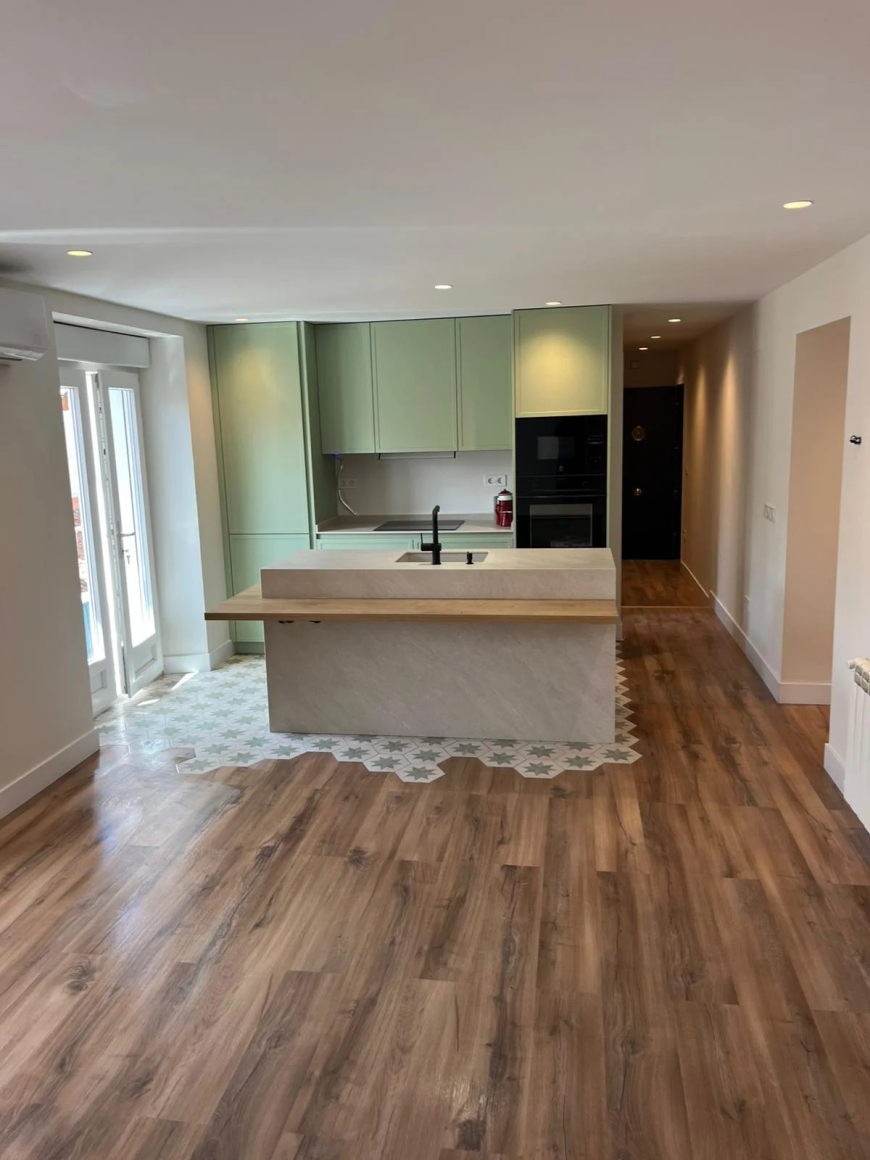
Dubai kitchens are expected to handle much more than cooking. They need to remain comfortable during intense summer temperatures, cope with humidity and frequent air-conditioning cycles, and withstand the demands of everyday family life. A well-designed kitchen therefore needs to combine attractive finishes with durable materials, practical ventilation, efficient storage, and carefully planned electrical and plumbing systems.
For homeowners considering a Kitchen Renovation in Dubai, climate should be part of the design discussion from the beginning. Dubai’s building standards also place importance on indoor environmental quality, comfort, ventilation, and systems that are durable and easy to maintain.
Why Dubai’s Climate Matters in Kitchen Design
A kitchen in Dubai can experience heat from cooking appliances, sunlight through windows, steam from boiling food, and moisture from washing and cleaning. At the same time, air conditioning creates a significantly different indoor environment.
This combination means that choosing materials simply because they look attractive in a showroom may not always be the best approach. Cabinet boards, countertops, flooring, hardware, sealants, and finishes should be selected according to how they will perform under repeated heat, moisture, cleaning, and daily use.
Humidity management is particularly important. Building-science guidance emphasizes controlling moisture through suitable materials, ventilation, and properly designed HVAC systems because persistent moisture can contribute to condensation and material deterioration.
Choose Moisture-Resistant Kitchen Cabinets
Cabinetry occupies a large part of most kitchens, so its construction has a direct impact on durability. Areas around sinks, dishwashers, water connections, and drainage points deserve particular attention because accidental leaks can expose cabinet components to moisture.
For Dubai properties, homeowners can consider:
-
Moisture-resistant boards for cabinet carcasses
-
Properly sealed edges around exposed board surfaces
-
High-pressure laminate for durable cabinet finishes
-
Quality acrylic or lacquer finishes where appropriate
-
Corrosion-resistant hinges and drawer runners
-
Easy-to-clean internal surfaces
The cabinet door may determine the appearance, but the carcass and edge treatment have a major influence on long-term performance. Moisture-resistant boards and properly sealed construction can reduce the risk of swelling and deterioration around wet zones.
For coastal areas of Dubai, hardware selection deserves additional consideration because humidity and salty air can accelerate corrosion in lower-quality metal components.
Select Countertops for Heat and Heavy Use
Kitchen countertops experience some of the highest levels of daily wear. They are exposed to hot cookware, food preparation, spills, cleaning products, and frequent wiping.
Engineered quartz is a popular option because it offers a non-porous surface that is relatively easy to maintain. Porcelain and sintered surfaces can also be considered where strong resistance to heat, scratches, and UV exposure is important. Natural granite is another durable choice when properly selected and maintained.
However, no countertop should be treated as completely indestructible. Hot cookware should generally be placed on suitable trivets or heat-resistant surfaces, and manufacturers' maintenance recommendations should be followed.
For a Dubai kitchen, consider:
-
Heat resistance
-
Stain resistance
-
Water absorption
-
UV exposure near windows
-
Ease of cleaning
-
Edge durability
-
Availability of professional repair or replacement
The right countertop should match not only the interior style but also how frequently and intensively the kitchen is used.
Plan Ventilation Before Finalizing the Design
Ventilation is one of the most important elements of a functional kitchen. Cooking creates heat, steam, grease particles, and odors, and insufficient extraction can allow these to spread into cabinets and adjacent living spaces.
Dubai's building guidance addresses ventilation and indoor environmental conditions, while commercial kitchen requirements include specific provisions for exhaust hoods and replacement air. Residential projects should still have ventilation designed appropriately for their cooking equipment and building configuration.
When planning your renovation, consider:
-
The position of the cooking hob
-
Extractor hood capacity
-
Duct routing
-
Outdoor exhaust possibilities
-
Kitchen size and ceiling height
-
Open-plan connections to living areas
-
Maintenance access for filters and ventilation components
For homes where frequent frying, grilling, or spice-heavy cooking takes place, effective extraction becomes even more important.
Design Around Daily Cooking Habits
A beautiful kitchen can become frustrating if its layout does not match the way people actually use it. Before selecting cabinets or finishes, think about daily routines.
Ask practical questions:
-
Where are groceries usually unloaded?
-
How many people cook at the same time?
-
Is breakfast prepared quickly on busy mornings?
-
Are large appliances used regularly?
-
Is there a separate pantry?
-
Does the family prefer an open or closed kitchen?
-
Is entertaining common?
-
Are children using the kitchen?
For many Dubai villas, an open show kitchen combined with a more practical secondary cooking area can provide a useful balance. Apartments may benefit from L-shaped, U-shaped, or galley layouts depending on available space.
The key principle is simple: design around movement and habits before designing around appearance.
Create Efficient Storage for Dubai Lifestyles
Storage should reduce unnecessary movement rather than simply fill available wall space. Deep drawers can make pots and pans easier to access, while tall cabinets can use vertical space efficiently.
Consider incorporating:
-
Full-extension drawers
-
Pull-out pantry units
-
Corner storage systems
-
Appliance garages
-
Tall utility cabinets
-
Dedicated recycling and waste compartments
-
Vertical storage for trays and chopping boards
-
Easy-access shelves for frequently used ingredients
Good storage also helps keep countertops clear. This becomes especially useful in busy households where cooking is part of everyday family routines.
Select Flooring That Handles Heat, Spills, and Traffic
Kitchen flooring needs to tolerate water, food spills, cleaning, dropped objects, and constant foot traffic. In Dubai, it is also sensible to consider how the material responds to temperature changes and sunlight.
Large-format porcelain tiles can be a practical choice because they are durable, water-resistant, and relatively easy to clean. Proper grout selection and installation are equally important because poorly maintained joints can collect dirt and moisture.
For a family kitchen, flooring should ideally be:
-
Slip-conscious
-
Easy to clean
-
Resistant to everyday stains
-
Durable under heavy foot traffic
-
Compatible with the home's overall flooring design
-
Properly installed over a prepared substrate
A continuous flooring design between an open-plan kitchen and living area can also create a more spacious visual effect.
Protect Surfaces From Direct Dubai Sunlight
Natural light can transform a kitchen, but direct sunlight may affect certain finishes over time. Large windows and glazed doors are common in Dubai homes, making UV exposure an important consideration.
Cabinet finishes, flooring, countertops, and decorative materials should therefore be assessed for their expected exposure.
If your kitchen receives strong afternoon sunlight, consider:
-
UV-stable finishes
-
Window treatments
-
Solar-control glazing or suitable films
-
Materials with proven colour stability
-
Strategic placement of sensitive finishes away from direct sun
This is particularly important for kitchens with large windows or open views where sunlight enters for several hours each day.
Upgrade Electrical and Plumbing Systems During Renovation
A kitchen renovation is an opportunity to review the systems hidden behind the finished surfaces. Adding appliances without reassessing electrical capacity can create unnecessary complications.
The renovation plan should account for appliances such as:
-
Refrigerators
-
Ovens
-
Hobs
-
Dishwashers
-
Microwaves
-
Water filtration systems
-
Small countertop appliances
-
Lighting systems
Plumbing should also be planned carefully around sinks, dishwashers, filtration units, and drainage points. Relocating these services may require building-management approvals or coordination with relevant authorities, depending on the property and scope of work.
Use a Layered Lighting Strategy
Dubai kitchens can benefit from combining natural and artificial lighting. A single ceiling fixture rarely provides sufficient illumination for food preparation, cleaning, and storage areas.
A practical lighting plan can include:
-
General lighting for overall visibility.
-
Task lighting beneath wall cabinets and above preparation areas.
-
Accent lighting to highlight architectural features.
-
Interior cabinet lighting for deep storage areas.
LED lighting can provide an efficient solution, but fixture quality, colour temperature, placement, and heat management should be considered during planning.
Make Cleaning and Maintenance Part of the Design
A kitchen that looks impressive on completion can become difficult to maintain if the design contains too many difficult-to-reach surfaces.
For Dubai homes, practical maintenance can include:
-
Smooth, wipeable splashbacks
-
Easy-clean cabinet finishes
-
Durable countertop surfaces
-
Properly sealed joints
-
Accessible ventilation filters
-
Minimal unnecessary grout lines
-
Quality sink and tap fittings
-
Easy-to-reach service points
The objective is not to eliminate maintenance completely. Instead, the design should make routine maintenance straightforward enough to become part of normal household use.
A Practical Checklist for a Dubai Kitchen Renovation
Before construction begins, homeowners should review these key areas:
-
Climate-suitable cabinet materials
-
Durable countertop selection
-
Effective cooking ventilation
-
Proper plumbing and drainage
-
Adequate electrical outlets
-
Appliance positions
-
Moisture protection around wet zones
-
Flooring durability
-
UV exposure
-
Storage requirements
-
Lighting layers
-
Cleaning and maintenance access
-
Building-management and approval requirements where applicable
A renovation that considers these details from the planning stage can reduce expensive modifications later.
Design for Performance, Not Just Appearance
The best kitchen is not necessarily the one with the most expensive finishes. It is the one that continues to function comfortably after years of cooking, cleaning, entertaining, and everyday family activity.
For homeowners planning a Kitchen Renovation in Dubai, climate-aware decisions can make the space more durable and practical. Choosing suitable materials, improving ventilation, organizing storage, protecting surfaces from sunlight, and coordinating electrical and plumbing systems can create a kitchen that looks refined while being prepared for Dubai's demanding environment.
A professional renovation partner such as Yoiman can help homeowners approach the project as a complete space rather than a collection of individual finishes. From planning and material selection to installation and finishing, a coordinated approach can help create a kitchen suited to the property's layout and everyday requirements.
Contact Details
For kitchen renovation planning and related renovation requirements in Dubai:
-
Company: Yoiman
-
Location: 78RH+785 Dubái - Emiratos Árabes Unidos
-
Mobile: +971 54 277 5158
-
Email: [email protected]
A thoughtfully planned kitchen should work with Dubai's climate rather than against it. When durability, ventilation, efficient layout, moisture control, and daily usability are considered alongside aesthetics, homeowners can create a comfortable and dependable cooking environment designed for long-term use.