Kenya Revealed: My 12-Day Safari Adventure and Insider Tips
Read about a 12-day Kenya safari experience with practical tips, route planning, and insights into Kenya tours, wildlife parks, and coastal travel for a well-rounded Kenya trip.
 Ketsafaris
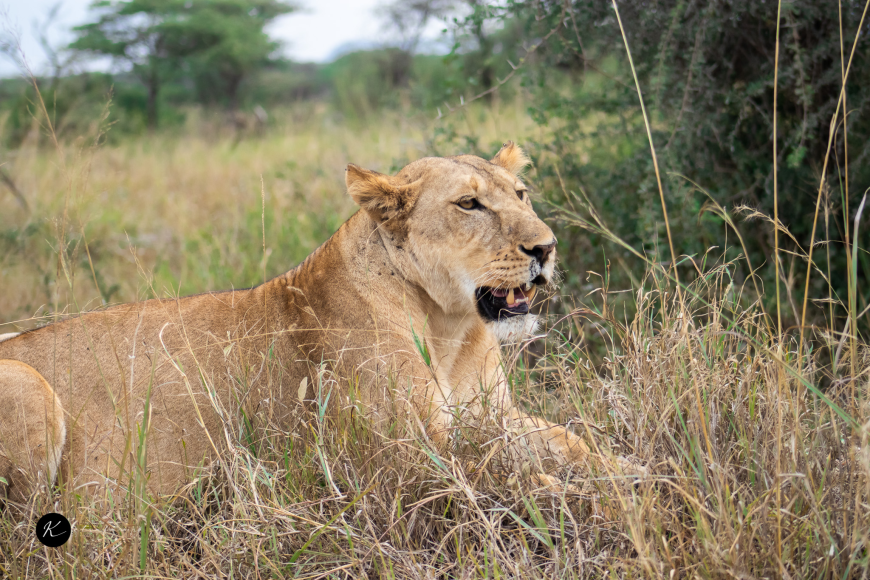
When I eventually embarked on a 12-day journey through Kenya's national parks and coastal landscapes, nothing could have adequately prepared me for the size, beauty, and diversity of the country. I had been planning tours of Kenya for years. This trip to Kenya was one of the most fulfilling experiences I have ever had because it included exciting wildlife encounters, cultural exchanges, and leisurely coastal moments.
Why I Chose Kenya for a Long Safari
Kenya safari itineraries offer an outstanding blend of wildlife, accessibility, and well-developed tourism infrastructure, I quickly discovered while exploring African options. Kenya's national parks are comparatively simple to explore, and every day of travel feels unique due to the diversity of ecosystems, which range from savannahs to lakes and mountains.
I wanted a journey that allowed enough time to explore without rushing. A 12-day itinerary gave me the opportunity to travel between major parks at a comfortable pace while also including a few lesser-known stops that added depth to the experience.
My 12-Day Kenya Safari Route
My 12-day Kenya safari route was carefully planned to cover the country’s most iconic wildlife destinations while maintaining a relaxed travel pace.
Nairobi: The Starting Point
Most Kenya tours begin in Nairobi, and mine was no exception. The city provided a gentle introduction to the country, with visits to local markets and wildlife attractions just outside the urban center. It also offered time to rest after a long international flight before heading into the wilderness.
Masai Mara: The Heart of the Safari
No Kenya safari is complete without time in the Masai Mara. I spent three days exploring its vast plains, and the game viewing exceeded every expectation. Within the first day, I saw lions, elephants, giraffes, and large herds of wildebeest moving across the grasslands.
The highlight was witnessing a lion hunt at sunset, an unforgettable moment that showed just how raw and real nature is in this part of Africa.
Lake Nakuru and Lake Naivasha: Wildlife and Birdlife
After the Mara, the journey continued toward the Great Rift Valley. Lake Nakuru National Park offered a completely different landscape, with acacia forests and a shimmering lake that attracted thousands of birds. I also saw both black and white rhinos here, which are major highlights of my Kenya trips.
Nearby Lake Naivasha provided a more relaxed setting. A boat ride across the lake allowed me to see hippos at close range and a wide variety of bird species, adding a peaceful contrast to the intense game drives of the savannah.
Amboseli National Park: Elephants and Kilimanjaro Views
Amboseli is often featured in Kenya tours for its iconic views of Mount Kilimanjaro, and seeing the snow-capped peak rising behind a herd of elephants was one of the most photographed moments of my trip. The park’s open terrain made wildlife spotting easier, and the large elephant herds were particularly impressive.
Coastal Escape: Ending the Safari at the Beach
To end the adventure, I traveled to the Kenyan coast for a few days of relaxation. This combination of wildlife and ocean scenery is what makes many Kenya trips so appealing. After early mornings and long drives, the chance to unwind by the Indian Ocean felt like the perfect conclusion to the journey.
Insider Tips for Planning Kenya Tours
Plan your itinerary around the best wildlife seasons to improve your chances of sightings, especially in Maasai Mara National Reserve and Amboseli National Park.
Book accommodations and safari vehicles early, as popular parks fill up quickly during peak travel months
Choose the Right Time of Year
Timing plays a huge role in the quality of your Kenya safari. The dry seasons, generally from June to October and January to February, offer better wildlife visibility because animals gather around water sources and vegetation is less dense.
If you want to witness the Great Migration in the Maasai Mara, aim for July to September. However, these months are also the busiest, so booking your Kenya tours well in advance is essential.
Pack Smart for Changing Conditions
During my trip, I experienced cool mornings, hot afternoons, and occasional rain showers. Packing layers, neutral-colored clothing, and a lightweight waterproof jacket made the journey far more comfortable. A good pair of binoculars and a camera with a zoom lens also made a noticeable difference in how much I enjoyed each game drive.
Work with experienced guides.
The expertise of the guide was one of the most beneficial aspects of my safari in Kenya. Without upsetting the wildlife, he could locate the car for the finest views, recognise animal footprints, and describe behaviors. This degree of proficiency transformed routine observations into worthwhile educational opportunities.
Cultural Experiences That Enriched the Trip
Visiting Local Communities
These days, a lot of vacations to Kenya include optional stops at Maasai settlements or local community initiatives. These trips gave us a better knowledge of how people coexist with nature and how tourism supports local livelihoods and conservation.
I found these interactions just as memorable as the wildlife sightings because they added context to the landscapes and traditions I was seeing.
Trying Kenyan Cuisine
Another surprising highlight was the food. Every location had something unique to offer, such as grilled meats, fresh tropical fruits, and traditional delicacies like sukuma wiki and ugali. Travelers can easily sample different flavors while remaining comfortable because lodges on Kenyan excursions frequently serve a combination of native and foreign cuisine.
What Made This Kenya Safari Truly Special
Looking back, what made this journey stand out was the variety packed into a single itinerary. In just 12 days, I traveled through savannahs, lakes, forests, and coastal beaches, each with its own wildlife and atmosphere. Few destinations offer this level of diversity in such a relatively compact travel distance.
Conclusion
A 12-day Kenya safari requires thoughtful planning, but the rewards are extraordinary. From sunrise game drives in the Masai Mara to quiet moments watching flamingos along the lakes and relaxing days on the coast, every stage of the journey felt distinct and memorable.