How to Maintain Suction Power in an Industrial Vacuum Cleaner
Maintaining consistent suction power is essential for an industrial vacuum cleaner to deliver efficient and reliable cleaning performance.
 Dynaclean272
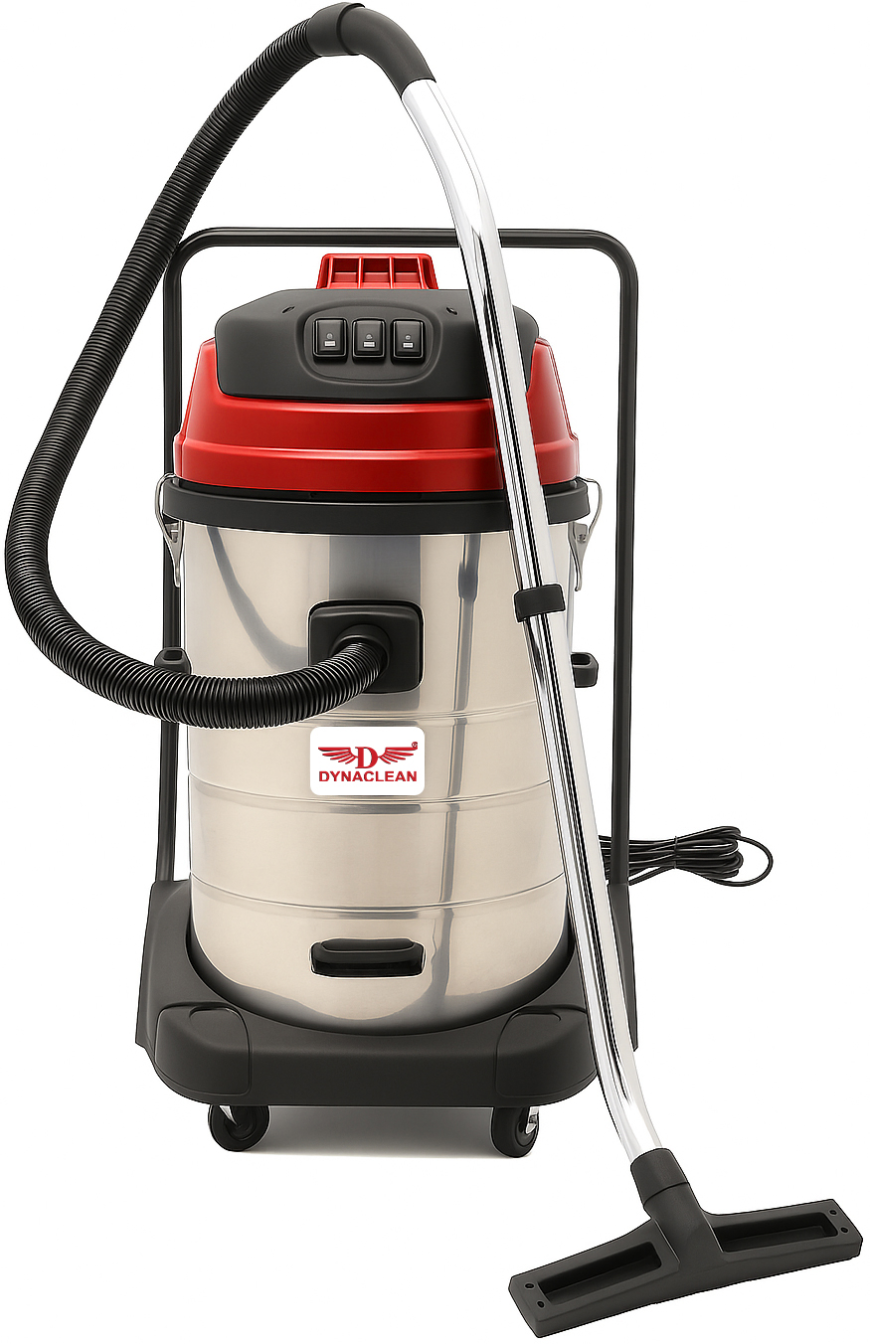
Maintaining consistent suction power is essential for an industrial vacuum cleaner to deliver efficient and reliable cleaning performance. In industrial facilities, dust, debris, metal particles, liquids, and other materials can quickly affect vacuum efficiency if the machine is not properly maintained. Regular care helps maintain strong suction, improve cleaning results, and extend the service life of the equipment.
Clean or Replace Filters Regularly
One of the most important steps for maintaining suction power is keeping the filters clean. Dust and fine particles can accumulate on the filter, restricting airflow and reducing vacuum performance. Check the filter according to the manufacturer’s recommended schedule and clean it using the appropriate method. Replace damaged or excessively clogged filters when necessary. A clean filter allows better airflow and helps the industrial vacuum cleaner operate efficiently.
Empty the Collection Container on Time
An overloaded dust container or collection bag can significantly reduce suction power. When the container becomes too full, airflow may be restricted, making the machine work harder. Empty the collection container before it reaches its maximum capacity. For heavy-duty industrial applications, checking the container regularly can help maintain consistent cleaning performance.
Inspect Hoses and Suction Pipes
Blocked, cracked, or damaged hoses can cause a noticeable loss of suction. Regularly inspect the suction hose, pipes, and attachments for dust buildup, obstructions, or physical damage. Remove blockages immediately and replace damaged components when required. Keeping the complete suction path clear ensures efficient airflow throughout the machine.
Check for Air Leaks
Air leaks can reduce the efficiency of an industrial vacuum cleaner. Inspect hose connections, seals, covers, and fittings for loose connections or damaged components. Make sure all parts are properly secured before operating the machine. Maintaining airtight connections helps the vacuum generate and maintain effective suction.
Maintain the Motor and Moving Components
The motor is a critical component responsible for generating vacuum pressure. Follow the manufacturer's maintenance recommendations for motor inspection and servicing. If the machine produces unusual sounds, excessive heat, or reduced performance, professional inspection may be required. Regular servicing can help identify potential problems before they affect overall suction power.
Use the Correct Accessories
Using the correct hose, nozzle, brush, and other accessories for a specific cleaning application can improve vacuum efficiency. Avoid using unsuitable or damaged attachments, as they may restrict airflow or reduce cleaning effectiveness. Selecting the right accessories also helps achieve better results while reducing unnecessary strain on the machine.
Schedule Professional Maintenance
Regular professional servicing is an effective way to keep an industrial vacuum cleaner operating at its best. Trained technicians can inspect filters, motors, hoses, seals, electrical components, and other critical parts. Preventive maintenance can help reduce unexpected breakdowns and support long-term machine performance.
Conclusion
Maintaining suction power requires consistent cleaning, timely filter replacement, proper container management, and regular inspection of hoses, seals, and motor components. By following a preventive maintenance routine, businesses can improve the efficiency and reliability of their industrial vacuum cleaner while supporting longer equipment life and better industrial cleaning performance.