How to Choose the Perfect Nameplate for Home: A Complete Guide
Choose the perfect nameplate for home with this complete guide covering materials, size, design, typography, lighting, colors, durability, customization, and maintenance tips.
 nameplatestudio
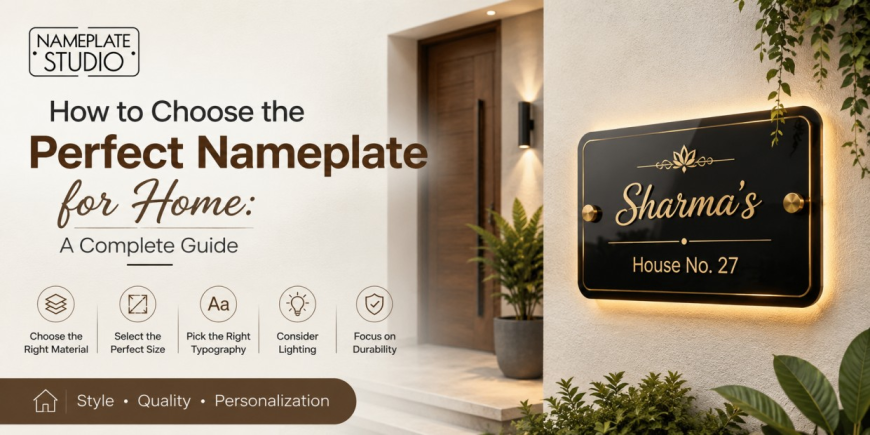
A nameplate is one of the first details guests notice when they arrive at your home. It does more than display your family name or house number—it adds personality, improves visibility, and enhances the overall appearance of your entrance. With so many materials, sizes, colors, fonts, and designs available, choosing the right one can sometimes feel overwhelming.
Whether you prefer a traditional wooden look, a modern acrylic finish, or an elegant metal design, the perfect nameplate should complement your home while being durable and easy to maintain. This complete guide will help you understand the important factors to consider before making your choice.
1. Consider Your Home’s Exterior Style
The first step is to look at the architectural style and exterior colors of your home. A nameplate should feel like a natural part of the entrance rather than looking like an unrelated decoration.
For contemporary homes, clean lines, minimal typography, metallic finishes, and simple geometric designs can work beautifully. Traditional homes may look better with classic fonts, wooden textures, or decorative borders.
The entrance wall, gate, door, and surrounding décor should also influence your choice. Consider whether the nameplate will be installed on a painted wall, stone surface, wooden door, glass panel, or metal gate.
2. Choose the Right Material
Material plays an important role in the appearance and durability of a nameplate. Common options include wood, acrylic, stainless steel, brass, aluminium, and combinations of different materials.
Wood offers a warm and natural appearance, making it suitable for traditional and contemporary homes. Metal provides a sophisticated and durable finish, while acrylic is popular for modern entrances because it offers flexibility in colors, lettering, and design.
If you are looking for a contemporary option with plenty of customization possibilities, Acrylic Nameplates can be an excellent choice. They can be designed with different backgrounds, lettering styles, finishes, and decorative elements to suit the entrance.
3. Select an Appropriate Size
The size of the nameplate should match the available wall or door space. A nameplate that is too small may not be clearly visible, while an oversized design can make the entrance look crowded.
Before ordering, measure the installation area carefully. Think about how far visitors will stand from the entrance and whether the nameplate needs to be readable from the road or driveway.
For apartment doors, compact designs are generally more suitable. Larger homes, villas, and independent houses may benefit from wider nameplates that provide enough space for the family name, house name, and number.
4. Pay Attention to Typography
Typography can completely change the character of a nameplate. Choose a font that is attractive but also easy to read.
Decorative fonts can add elegance, but excessively complicated lettering may become difficult to recognize from a distance. For a modern entrance, clean sans-serif fonts are often effective. Serif fonts can create a more traditional appearance.
The size, spacing, and contrast of the letters should also be considered. If the nameplate includes multiple lines, make sure the hierarchy between the main name, house number, and additional text is clear.
5. Think About Lighting
If your entrance needs to remain visible after sunset, lighting can make a significant difference. A well-designed illuminated nameplate can improve visibility while adding an attractive decorative feature to the entrance.
Illuminated Nameplates are particularly suitable for modern homes where lighting is part of the overall exterior design. Depending on the style, lighting can be positioned behind the letters, around the edges, or within the nameplate itself.
When selecting a lighted design, consider the brightness and color temperature. Soft warm lighting creates a welcoming atmosphere, while neutral or cool white lighting can provide a crisp contemporary appearance.
6. Choose a Color Combination Carefully
Color is another important factor when selecting a nameplate. The text should contrast sufficiently with the background so that it remains easy to read.
For example, dark lettering can work well against lighter backgrounds, while white or light-colored lettering can stand out on darker surfaces. Metallic finishes can add elegance, but they should still provide enough contrast against the wall.
Try to coordinate the nameplate with existing elements such as the main door, gate, exterior paint, lighting fixtures, and balcony or railing finishes.
7. Consider Weather Conditions
Outdoor nameplates are exposed to sunlight, rain, dust, humidity, and temperature changes. Therefore, choosing a durable material and finish is essential.
If the nameplate is being installed outdoors, ask about the material's resistance to moisture, UV exposure, and general weather conditions. Proper installation is equally important because loose fittings can cause damage over time.
Regular cleaning can also help preserve the appearance of the nameplate. Use cleaning products appropriate for the selected material and avoid harsh chemicals or abrasive tools that may scratch the surface.
8. Decide Between Traditional and Modern Designs
Your personal taste should play a major role in the final decision. Some homeowners prefer classic designs featuring elegant lettering and natural textures, while others prefer minimal and contemporary styles.
Modern designs often use layered materials, sleek typography, subtle colors, and clean shapes. Traditional designs may include decorative borders, engraved lettering, or textured surfaces.
There is no single design that works for every home. The best choice is one that reflects your personality while complementing the architecture of your entrance.
9. Consider an Illuminated Option for Better Visibility
For homes with dark entrances, a lighted nameplate can provide both functionality and visual appeal. It can make the family name easier to identify at night and can become an attractive part of the home's exterior lighting.
An Illuminated Name plate for Home can be customized according to the available wall space and the overall appearance of the entrance. Before selecting one, check the power requirements, installation method, lighting color, and maintenance requirements.
If the entrance already has several decorative lights, choose a design that complements them instead of competing for attention.
10. Think About Maintenance
A beautiful nameplate should also be practical. Before purchasing, consider how frequently the material will need cleaning and whether the finish is likely to show dust, fingerprints, or water marks.
Simple designs are generally easier to maintain because they have fewer intricate areas where dust can collect. Outdoor nameplates should be easy to wipe and should retain their appearance with normal care.
Also consider how easily individual components can be repaired or replaced if the design includes lighting, decorative elements, or multiple layers.
11. Check Customization Options
One of the biggest advantages of custom nameplates is the ability to personalize the design. You can choose the family name, house name, number, font, color, material, shape, and decorative elements.
Before placing an order, check whether the manufacturer provides a design preview. This allows you to see how the final nameplate may look and make changes before production.
Pay attention to spelling and capitalization because customized products are usually made according to the information provided at the time of ordering.
12. Set a Practical Budget
Nameplate prices can vary significantly depending on material, size, customization, finishing, and lighting features. Instead of choosing purely based on the lowest price, consider the expected lifespan and quality of the product.
A well-made nameplate can remain part of your home's entrance for many years, making durability and finish important considerations. Compare the materials, installation options, customization features, and warranty or service information before making a decision.
Final Thoughts
Choosing the perfect nameplate is about finding the right balance between style, visibility, durability, and personalization. Start by considering your home's exterior, then select a suitable material, size, typography, color, and finish.
For a modern entrance, acrylic and metal designs can create a sophisticated appearance, while wooden styles can provide warmth and character. Lighting can further enhance visibility and make the entrance stand out after dark.
Most importantly, choose a nameplate that represents your home and complements its surroundings. With thoughtful planning, the right nameplate can become a stylish and welcoming finishing touch to your entrance.
Frequently Asked Questions
1. What material is best for a home nameplate?
The best material depends on your location, design preference, budget, and whether the nameplate will be installed indoors or outdoors. Acrylic, metal, wood, and other durable materials can all be suitable when properly finished.
2. What size should a home nameplate be?
The ideal size depends on the installation area and viewing distance. Measure the available space before ordering and ensure that the lettering remains clearly visible.
3. Are illuminated nameplates suitable for outdoor use?
Yes, appropriately designed outdoor illuminated nameplates can be used at entrances. Check the product's construction, electrical components, and suitability for outdoor conditions before installation.
4. How can I maintain my nameplate?
Regularly remove dust with a soft cloth and use a suitable cleaner for the material. Avoid abrasive pads and harsh chemicals that could damage the surface.
5. Can I customize a home nameplate?
Yes. Many nameplates can be customized with names, house numbers, fonts, colors, shapes, materials, and lighting options.
Disclaimer
This article is intended for general informational purposes only. Material durability, maintenance requirements, lighting performance, and suitability may vary depending on the product, installation environment, and manufacturer specifications. Always follow the manufacturer's care and installation instructions before installing or maintaining a nameplate.