How Modern Bag Filter Housing Designs Increase Industrial Productivity
 walaeric
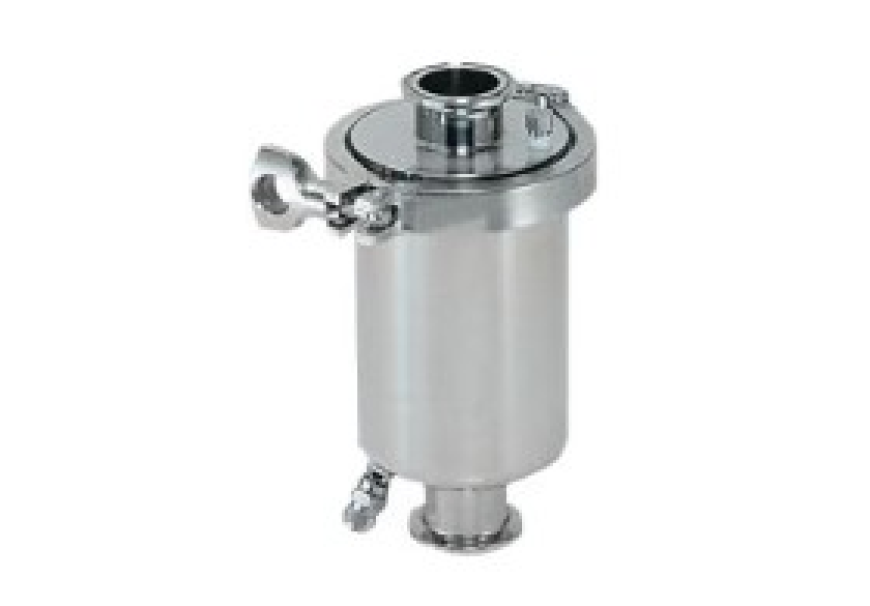
A lot of factories used to treat filtration like background equipment. Just something sitting there in the corner doing its thing. Then production demands changed. Machines started running hotter, faster, longer. Fluids got contaminated quicker. Downtime became expensive in ways companies didn’t expect. That’s where modern bag filter housing systems started getting real attention.
Not because they look impressive. Honestly most of them don’t. But they solve problems operators deal with every single shift. Dirty coolant. Reduced machine efficiency. Sludge buildup. Premature pump failure. Small stuff at first. Then suddenly a production line stops for three hours and everybody cares.
Today’s filtration setups are built for constant industrial pressure. Less leaking. Faster filter replacement. Better sealing. Stronger materials too. Stainless steel housings especially changed the game for plants dealing with harsh fluids and temperature swings. It sounds simple, but reliability matters more than fancy features in industrial environments.
Better Flow Rates Mean Less Production Delays
One thing manufacturers notice quickly with updated bag filter housing equipment is smoother fluid flow. Older systems tend to choke up after extended operation. Pressure drops increase. Pumps strain harder. Operators start hearing weird noises from equipment. Never a good sign.
Modern housing designs handle higher flow capacity without killing efficiency. Internal basket support systems are stronger now. Fluid distribution is more balanced. There’s less turbulence inside the vessel, which actually helps filtration consistency over long operating hours.
This becomes especially important in cutting oil filtration systems where fluid cleanliness directly affects machining quality. Dirty cutting oil causes rough finishes, overheating, tool wear. Sometimes entire batches get rejected because contamination wasn’t controlled properly. That gets expensive fast.
Good filtration keeps machines stable. Stable machines keep production moving. Pretty direct relationship there.
Cutting Oil Filtration Systems Are Doing More Than Just Cleaning Fluid
A lot of shop owners still think cutting oil filtration systems only exist to “clean coolant.” That’s part of it, sure. But modern systems are doing much more than that now.
They extend tool life. Reduce oil replacement frequency. Improve surface finish consistency. Some facilities even report lower energy usage because machines don’t work as hard pushing contaminated fluids through clogged lines. Little improvements stack up over months.
The smarter filtration setups also separate fine metal particles way more effectively than older cartridge systems. Especially in CNC machining environments where microscopic debris becomes a constant headache. Tiny particles don’t sound serious until spindle performance starts dropping.
And honestly, workers notice the difference too. Cleaner fluids smell better. Less smoke. Less residue everywhere. The workspace feels less chaotic. Hard to measure that on paper, but it affects operations.
Modern Housing Designs Simplify Maintenance, Finally
Maintenance teams probably appreciate new bag filter housing designs more than anyone else. Old systems could be frustrating. Bolts stuck. Covers jammed. Filter bag replacement took forever. Sometimes fluid spilled everywhere during servicing. Messy job.
Newer quick-open housings save ridiculous amounts of maintenance time. Swing bolt closures, davit arm covers, pressure balancing features — all these small engineering changes matter during real-world servicing. Especially during night shifts when nobody wants a complicated filter change at 2 AM.
Some systems now allow filter replacement without fully draining the housing. That alone reduces downtime significantly. Plants running around the clock care about every minute lost during maintenance windows.
And honestly, safer servicing procedures matter too. Industrial maintenance already carries enough risks without workers wrestling heavy filter lids under pressure.
Stronger Materials Are Extending Equipment Lifespan
Industrial environments are rough on equipment. Heat. Chemicals. Abrasive particles. Constant vibration. Cheap filtration equipment doesn’t survive long under those conditions.
That’s why stainless steel bag filter housing systems became more common across manufacturing sectors. They resist corrosion better, hold pressure more consistently, and tolerate aggressive fluids without degrading quickly. Carbon steel still has uses, obviously, but stainless options usually win for long-term reliability.
Especially in cutting oil filtration systems where fluid chemistry changes over time. Oils break down. Additives react differently under heat. Some older filtration housings simply weren’t designed for modern industrial fluids.
Now manufacturers are building vessels with higher pressure ratings, reinforced welds, improved gasket materials. More durable construction overall. Not glamorous stuff, but operators absolutely notice the difference after a few years of continuous production.
Cleaner Fluids Are Helping Companies Reduce Waste
Waste reduction became a serious operational focus lately. Disposal costs keep rising. Environmental regulations keep tightening. Companies can’t afford careless fluid management anymore.
Efficient bag filter housing systems help facilities reuse industrial fluids longer before replacement becomes necessary. That cuts disposal volume significantly. Some plants extend coolant life by months with proper filtration management. Huge savings there.
Cutting oil filtration systems also reduce contamination transfer between machines. That matters because one dirty machine can affect multiple production stages if fluids circulate through shared systems. People underestimate how fast contamination spreads in manufacturing environments.
Cleaner fluids also mean fewer rejected parts. Less scrap metal. Lower material waste. The filtration system quietly affects way more production variables than most people realize at first.
Automation Is Changing Industrial Filtration Too
Automation reached filtration systems eventually. Took a while, honestly.
Now some advanced bag filter housing setups include pressure monitoring sensors, automatic alerts, flow tracking, even predictive maintenance features. Operators can monitor filter condition before performance problems actually happen. That helps prevent sudden shutdowns.
In larger facilities, automated cutting oil filtration systems integrate directly with plant monitoring software. Maintenance teams receive alerts when differential pressure rises beyond safe limits. Some systems automatically redirect flow during servicing procedures too.
Not every factory needs fully automated filtration, obviously. Smaller operations often prefer simpler systems because they’re easier to manage. But for high-volume manufacturing plants, automation reduces a lot of guesswork.
And less guesswork usually means fewer expensive surprises.
Choosing The Right Filtration Setup Matters More Than Buying Cheap
This is where companies sometimes mess up. They buy filtration equipment based only on initial price. Looks affordable upfront. Then maintenance costs pile up later. Downtime increases. Filters clog constantly. Operators get frustrated.
A properly sized bag filter housing system should match flow rate, fluid type, contamination level, and operating pressure. Sounds obvious, but plenty of facilities still install undersized equipment trying to save money.
Same with cutting oil filtration systems. The cheapest setup rarely performs well long term. Poor filtration affects machine wear, product quality, fluid lifespan, everything downstream. Saving money upfront can quietly create larger operating costs later.
The better approach usually involves looking at total lifecycle performance instead of purchase price alone. Not exciting advice, maybe. But practical.
Conclusion
Modern industrial filtration isn’t just about removing dirt anymore. It’s tied directly to productivity, machine reliability, maintenance efficiency, waste reduction, and operating costs. That’s why newer bag filter housing designs are getting serious attention across manufacturing industries.
Companies running advanced cutting oil filtration systems are seeing cleaner operations, longer equipment lifespan, and fewer production interruptions overall. Nothing magical about it. Just better engineering solving real factory problems.
And honestly, when production schedules stay on track and maintenance headaches decrease, most facility managers don’t care whether filtration equipment looks impressive. They care that it works every single day without drama.
FAQs
What is a bag filter housing used for in industrial applications?
A bag filter housing is used to remove contaminants from industrial fluids like water, chemicals, coolants, and oils. It helps protect machinery, improve fluid quality, and reduce operational downtime.
Why are cutting oil filtration systems important for CNC machines?
Cutting oil filtration systems remove fine metal particles and sludge from machining fluids. Cleaner oil improves cutting performance, extends tool life, and helps maintain product quality during CNC operations.
How often should industrial filter bags be replaced?
Replacement depends on contamination levels, operating pressure, and fluid type. Some facilities replace bags weekly, others monthly. Pressure buildup usually signals when servicing is needed.
Are stainless steel bag filter housing systems better than carbon steel?
In many industrial environments, yes. Stainless steel resists corrosion better, lasts longer, and handles aggressive fluids more effectively than standard carbon steel systems.
Can modern filtration systems reduce industrial waste?
Absolutely. Better filtration extends fluid life, lowers disposal frequency, reduces rejected parts, and minimizes contamination-related waste across manufacturing operations.