How Ecommerce Order Fulfillment for Apparel Brands Works from Production to Delivery
 James David
Running an apparel brand means managing more than just design and marketing. Once a customer clicks "buy," the real work begins. Understanding how ecommerce order fulfillment for apparel brands works can help you build a smoother operation and deliver a better customer experience.
This article breaks down the process from production through delivery, covering what happens at each stage and what to look for in a fulfillment partner.
Production: Where It All Starts
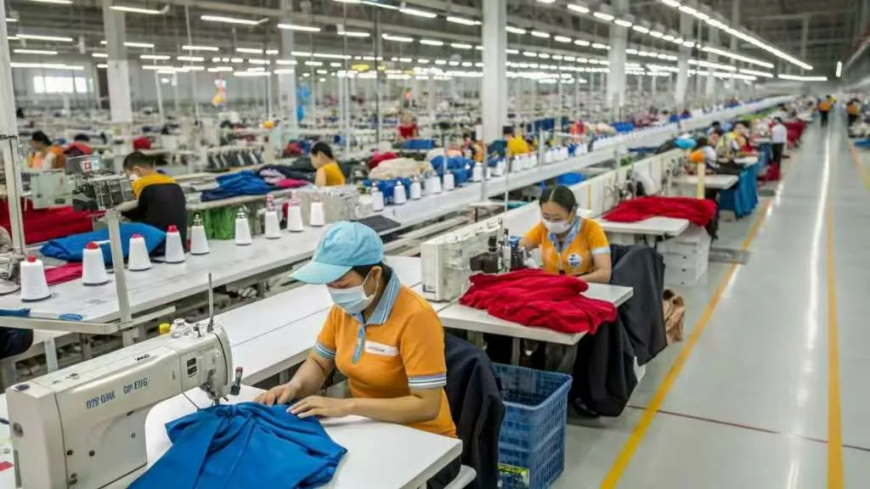
Before fulfillment can happen, your product needs to exist. For apparel brands, this means working with a manufacturer to produce your garments. Screen printing, sublimation, garment dyeing, and private labeling all happen during this phase.
The key decision here is whether to manage production and fulfillment separately or combine them under one partner. Brands that use a single provider for apparel manufacturing and fulfillment often see faster turnaround times and fewer errors. When production and fulfillment operate under the same roof, there is no handoff delay, no miscommunication between vendors, and no surprise quality issues when inventory arrives at the warehouse.
Receiving and Inventory Management
Once production is complete, finished goods move into the warehouse. This is where inventory is logged, organized, and stored until orders come in.
A good fulfillment partner will use a warehouse management system (WMS) that syncs with your ecommerce platform. Shopify, WooCommerce, and other platforms can integrate directly, giving you real-time visibility into stock levels. This prevents overselling and helps you plan reorders before you run out.
For apparel brands, inventory management also means tracking by SKU, size, and color. A fulfillment partner experienced in apparel manufacturing and fulfillment will understand how to organize products so that picking and packing is fast and accurate.
Order Processing
When a customer places an order, the fulfillment system receives the order details automatically. This triggers the pick-pack-ship workflow.
Picking means locating the correct items in the warehouse. Packing means placing them in appropriate packaging, whether that is a poly mailer, a branded box, or a custom bag. Shipping means generating a label and handing the package off to a carrier.
Speed matters here. Most customers expect their orders to ship within one to two business days. A fulfillment partner with streamlined operations can meet that expectation consistently, even during high-volume periods like product drops or holiday sales.
Retail-Ready Finishing
For many apparel brands, fulfillment is not just about shipping. It is also about presentation. Retail-ready finishing includes folding garments to a specific standard, inserting them into poly bags, applying hang tags, and adding branded tissue paper or stickers.
These details may seem small, but they shape how customers perceive your brand. Ecommerce order fulfillment for apparel brands that includes finishing services can save you time and money. Instead of handling these steps yourself or outsourcing to a separate vendor, everything happens in one place before the package ships.
Shipping and Carrier Selection
Once an order is packed, it needs to get to the customer. Fulfillment partners typically work with multiple carriers, including USPS, UPS, FedEx, and regional options. The right carrier depends on package size, delivery speed, and destination.
Some fulfillment partners offer rate shopping, which automatically selects the most cost-effective carrier for each order. Others provide negotiated rates based on volume, passing savings along to you.
Tracking information should sync back to your ecommerce platform automatically, so customers receive updates without you lifting a finger.
Returns and Reverse Logistics
Returns are part of running an apparel brand. Sizes do not always fit, and customers change their minds. A fulfillment partner with returns processing capabilities can receive returned items, inspect them, and restock them if they meet quality standards.
This keeps your inventory accurate and reduces the time you spend managing returns manually.
Why a Combined Approach Works
Brands that separate production and fulfillment often deal with coordination headaches. Inventory arrives late, quality issues go unnoticed until products reach customers, and communication gaps slow everything down.
Working with a partner that handles both apparel manufacturing and fulfillment simplifies the process. Production feeds directly into inventory. Quality control happens before items are shelved. And when issues arise, there is one point of contact to resolve them.
Final Considerations
Ecommerce order fulfillment for apparel brands is more than shipping boxes. It is the final step in delivering on your brand promise. From production through delivery, every stage matters. Choose a partner that understands apparel, integrates with your platform, and treats your product with the same care you do.