How Do You Choose the Right Hair Services for Your Special Event?
Explore how to choose the right hair services for weddings and events. Compare hair stylist and salon listings by area, price, and reviews on Local Bazaar Hub.
 localbazaarhub
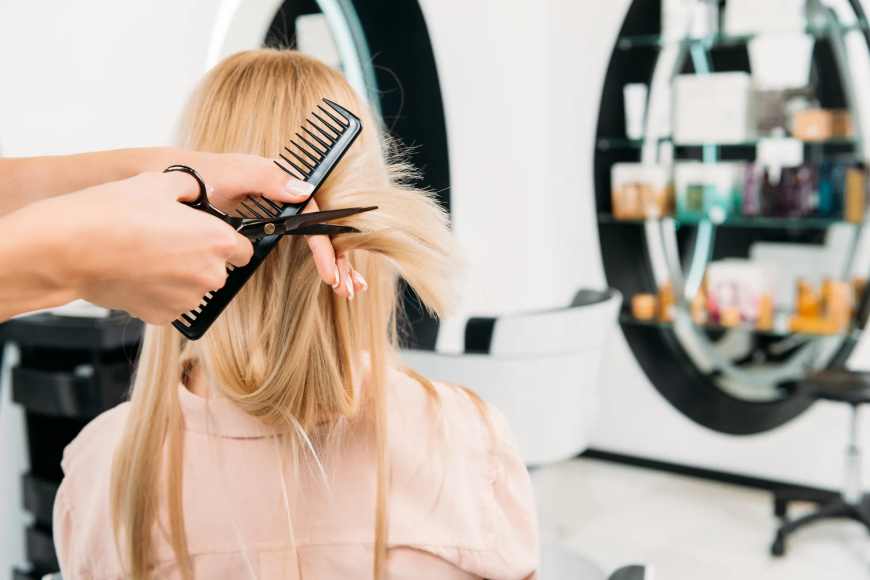
Choosing the right hair services for a wedding, graduation, or milestone celebration can shape how confident and polished someone feels on the big day. Between reviewing local stylists, understanding pricing, and matching a look to the occasion, the decision involves more than picking the first available appointment. Special events call for planning, clear communication with a stylist, and enough lead time for trials and adjustments. This guide walks through what to consider before booking, how to evaluate experience and reviews, and where to look when comparing options nearby. Readers can browse local business listings to compare stylists and salons suited to their event, budget, and timeline.
Understanding What Hair Services Cover for Special Occasions
Hair services for special events typically go beyond a standard cut or blow-dry. They often include trial sessions, updos, extensions, color touch-ups, and on-site styling for weddings or formal parties. A stylist experienced with event work understands how to build a style that holds through hours of dancing, photography, and changing lighting. Local Bazaar Hub lists hair stylist and hair salon profiles that specify which event services they offer, from bridal hairstyling to prom-ready looks, making it easier to match expectations before reaching out. Knowing the scope of these services in advance helps avoid last-minute surprises on event day.
Common Types of Event Hair Styling
Event hairstyling generally falls into a few recognizable categories, each suited to different occasions and dress codes. Updos and half-up styles remain popular for formal events because they hold well under layers of pins and spray. Soft waves and blowouts suit garden parties or daytime celebrations where a more relaxed look fits the setting. Braided styles have grown popular for both bridal parties and guests who want texture without heavy styling time. A hair stylist familiar with event work will typically offer:
-
Trial runs before the event date
-
Long-wear techniques for humidity or outdoor venues
-
Coordination with makeup artists or photographers
-
Touch-up kits for extended events
Matching the style to the venue, weather, and dress code matters as much as personal preference. A style that looks polished in photos but collapses within an hour under heat or wind can create unnecessary stress, which is why discussing venue conditions with a stylist ahead of time is worth the extra conversation.
How Pricing Typically Varies by Service Type
Pricing for hair services depends on several factors, including the complexity of the style, the length and texture of the hair, and whether the appointment happens at a salon or on location. A simple blowout usually costs less than an intricate updo with extensions or added embellishments. Bridal hairstyling packages often include a trial session, which adds to the overall price but reduces the risk of surprises on the wedding day. Group bookings, such as styling for an entire bridal party, may come with tiered pricing or package discounts depending on the salon. Travel fees can apply when a stylist works on location rather than in a salon setting. Comparing quotes from a few hair salon listings before committing gives a clearer sense of what's reasonable for a given area and style complexity, since pricing can vary noticeably between neighborhoods and stylist experience levels.
What Should You Look for in a Hair Stylist Before Booking?
The most important factors when booking a hair stylist for a special event are relevant experience, a strong portfolio of similar styles, clear communication about pricing, and availability for a trial session. Beyond technical skill, event styling requires reliability, since there's little room for rescheduling once a date is set. Reviewing recent client photos and reading feedback from past events, not just everyday appointments, gives a more accurate picture of how a stylist handles pressure and timing. Comparing a few stylist profiles side by side often reveals differences in specialty, pricing structure, and availability that aren't obvious from a single listing.
Checking Experience and Portfolio Quality
A stylist's portfolio reveals more than skill level; it shows range across hair types, textures, and event styles. Someone who mainly posts sleek, straight looks may have less experience with curly or coily textures, which matters for anyone wanting a style that photographs well and lasts through the event. Looking specifically for photos from weddings, formal parties, or similar occasions, rather than everyday cuts, gives a better sense of how a stylist performs under time pressure. It also helps to check how recent the portfolio images are, since techniques and preferred styles shift over a few years. Video content, when available, can show finishing touches and setting techniques that still photos miss. A stylist willing to share full galleries rather than a few curated shots is often more transparent about the range of work they can realistically deliver.
Reading Reviews the Right Way
Reviews carry more useful information when read for specifics rather than star ratings alone. A five-star review that only says the experience was great offers less insight than one describing how the stylist handled a last-minute change or matched a reference photo closely. Patterns across multiple reviews matter more than any single comment; repeated mentions of punctuality, communication, or style longevity point to consistent traits rather than one good or bad day. It also helps to look at how a business responds to less favorable feedback, since a thoughtful response can say as much about professionalism as the original review. Comparing reviews across a few business profiles, rather than relying on the first result, gives a broader sense of what to expect and helps set realistic expectations before reaching out for a consultation or quote.
Timing and Scheduling for Event-Day Hair Services
Booking hair services too close to an event date limits options and increases the chance of settling for availability rather than fit. Popular stylists, especially those known for bridal hairstyling, often book out months in advance during peak wedding and prom seasons. Building in time for at least one trial run allows adjustments before the actual event, particularly for updos or styles involving extensions. Working backward from the event date, with buffer time for rescheduling, reduces pressure on both the client and the stylist. Local business listings often note typical booking windows, which can help set realistic expectations early in the planning process.
Why Trial Sessions Matter
A trial session gives both the client and stylist a chance to test a style under realistic conditions before the event itself. It's the point where adjustments happen — swapping a style that looked good in a photo but doesn't suit face shape or hair density, or testing how long a particular updo holds without touch-ups. Trials also reveal how a stylist communicates and handles feedback, which matters more on event day when time is limited. Skipping this step to save money often costs more in stress if the final look doesn't match expectations. For anyone with fine, thick, or textured hair, a trial is particularly useful since techniques that work well in photos don't always translate the same way across different hair types. Scheduling the trial a few weeks before the event, rather than the day before, leaves enough time to make a different choice if needed.
Building a Realistic Timeline
A realistic timeline for event hair services starts with the event date and works backward. Booking a stylist three to six months ahead is common for weddings, while smaller events like graduations or formal parties may only need a few weeks of notice. The timeline should include a trial appointment, a final consultation to confirm the style, and buffer time in case a preferred stylist is unavailable on the first attempt. For events involving a full bridal party or multiple people getting styled, additional time is needed to coordinate schedules and avoid a rushed morning. Weather-dependent events, such as outdoor ceremonies, benefit from a backup plan discussed with the stylist in advance, particularly for styles sensitive to humidity or wind. Mapping out this timeline early prevents the common last-minute scramble that often leads to limited options.
How Do You Compare Different Hair Salon Options Nearby?
Comparing hair salon options effectively means looking at specialty, pricing transparency, location convenience, and verified reviews side by side, rather than choosing based on the first search result. Some salons focus heavily on color and chemical treatments, while others build their reputation around event styling and updos. Location matters too, especially for on-site services or early-morning event appointments where travel time affects the overall schedule. Local Bazaar Hub organizes salon and stylist listings by area, service type, and reviews, which makes it easier to shortlist a few options that fit both budget and style preferences before reaching out directly.
Location and Accessibility Considerations
Distance and accessibility play a bigger role in event planning than they might for a routine haircut. A salon that's convenient for weekly visits may not be practical for an early-morning wedding appointment, especially if parking or public transit access is limited near the venue. For events requiring on-location styling, confirming whether a stylist travels, and what fees apply, avoids confusion closer to the date. Some salons operate multiple locations, so it's worth confirming which specific location handles event bookings and whether staff availability differs by site. For group appointments, a salon with enough space and staff to accommodate several people at once reduces the need for staggered scheduling, which can be difficult to coordinate on a tight event morning.
Evaluating Service Menus and Add-Ons
Service menus vary widely between salons, and event-specific offerings aren't always listed the same way as standard services. Some salons bundle trial sessions, touch-up kits, and on-site styling into a single event package, while others charge for each element separately. Add-ons like hair extensions, jewelry placement, or veil setting for wedding-day styling can significantly affect the final price, so reviewing the full menu rather than a base price prevents surprises. It also helps to ask whether a listed price includes styling products or if additional charges apply for premium products or techniques. Comparing menus across a few businesses, rather than assuming similar pricing across the board, gives a clearer picture of what different salons include and where the actual value lies for a specific style or event type.
Preparing Your Hair for a Special Event Appointment
Preparation before an event appointment affects how well a style holds and how efficiently the appointment runs. Freshly washed hair the day before, rather than the morning of, often gives styling products something to grip without excess oil interfering with hold. Bringing reference photos, accessories like veils or clips, and any product preferences helps a stylist plan the session more precisely. Communicating known sensitivities, such as scalp reactions to certain products, ahead of time avoids last-minute adjustments. Small preparation steps like these often make the difference between a style that holds through an entire event and one that needs frequent touch-ups.
What to Bring to the Appointment
Bringing the right items to a hair services appointment saves time and reduces guesswork for both the client and stylist. Reference photos remain one of the most useful tools, since verbal descriptions of a style can be interpreted differently than intended. Any accessories meant to be worn with the style, such as clips, veils, combs, or headbands, should come along so the stylist can style around them rather than adding them afterward. For color-treated or previously styled hair, mentioning recent treatments helps the stylist choose products that won't cause buildup or reaction. Bringing a photo of the outfit or dress can also help align the hairstyle with the overall look, particularly for formal events where the neckline or silhouette influences which styles work best.
Aftercare Tips for Long-Lasting Styles
Once the appointment ends, a few aftercare habits help a style last through a full event. Avoiding excessive touching or restyling at home preserves the structure a stylist carefully built, especially for pinned or braided looks. Carrying a small touch-up kit with bobby pins, a travel-size hairspray, and blotting papers helps manage minor shifts throughout a long event without needing a full redo. For outdoor events, checking the weather forecast in advance allows for humidity-resistant product choices during the original styling session. Sleeping carefully the night before, using a silk pillowcase or a loose protective style, can also help preserve a trial style or a style done a day early for multi-day events like destination weddings.
Budgeting for Hair Services Without Overspending
Setting a realistic budget for hair services starts with understanding typical price ranges in a given area before committing to a specific salon or stylist. Prices can vary based on hair length, style complexity, and whether the appointment includes a trial session or travel fees. Building in a small buffer for add-ons, such as accessories or extensions, prevents budget surprises closer to the event. Comparing a few business listings side by side, rather than booking the first available option, often reveals more competitive pricing for similar quality of work.
Questions to Ask About Pricing Upfront
Clear pricing conversations upfront prevent misunderstandings later. Asking whether the quoted price includes a trial session, or whether that's billed separately, clarifies the real cost of bridal hairstyling or event styling packages. It's also worth asking whether group bookings receive a discount, and how travel fees are calculated if the stylist works on location rather than in a salon. Some stylists charge differently based on hair length or thickness, so confirming this detail avoids surprises once the appointment begins. Asking about cancellation or rescheduling policies matters too, since event dates sometimes shift and flexible policies reduce financial risk. A stylist willing to answer these questions clearly and in writing, rather than vaguely, is often a good sign of overall professionalism and transparency around pricing.
Balancing Cost and Quality
The lowest price isn't always the best value when it comes to event-day hair services, since a rushed or inexperienced stylist can lead to a style that doesn't hold or match the intended look. That said, higher prices don't automatically guarantee better results either. A useful approach involves comparing a few options in a similar price range and evaluating portfolio quality, reviews, and communication style rather than price alone. For those working with a tighter budget, focusing spending on the main event day while opting for simpler styles during trial runs can help balance cost without compromising the final result. Reading through past client feedback about whether the final style matched expectations often reveals more about value than the price tag alone.
Questions to Ask a Stylist Before Your Event
Asking the right questions before booking hair services helps set clear expectations for both timing and results. Beyond pricing, it's worth understanding how a stylist handles unexpected issues, such as a style not holding as expected or a client arriving with different hair conditions than discussed. Confirming logistics like arrival time, setup needs for on-location appointments, and how many people the stylist can accommodate in a group booking avoids confusion on event morning. A short list of prepared questions makes consultations more productive and helps identify which stylist is the right fit.
Logistics and Day-Of Questions
Day-of logistics deserve as much attention as style preferences. Confirming what time the stylist plans to arrive, how long each person's styling will take, and what backup plan exists if something runs behind schedule helps avoid a stressful morning. For events with a full bridal party or multiple people getting styled, asking how the order of appointments is determined can prevent unnecessary waiting. It also helps to clarify what happens if a style needs quick adjustment right before photos or a ceremony begins, since a stylist experienced in event work usually plans for that possibility. Asking about setup requirements, such as outlets, mirrors, or lighting needed for on-location work, ensures the venue can accommodate the stylist properly on the day itself.
Questions About Style Longevity
Longevity questions focus on how well a style will hold throughout the full event, not just for the first hour of photos. Asking what products the stylist plans to use, and whether those products hold up well in heat, humidity, or wind, helps set realistic expectations for outdoor events. It's also worth asking whether the stylist recommends any specific hair prep, like avoiding conditioner the morning of, to help the style last longer. For very long events, such as weddings that run from morning ceremony through late-night reception, asking whether a touch-up visit is available partway through the day can be a useful option. Getting clear answers to these questions before the event reduces the chance of an unexpected style breakdown at an inconvenient moment.
Conclusion
Choosing the right hair services for a special event comes down to planning ahead, asking clear questions, and comparing more than one option before committing. Considering experience, pricing structure, portfolio quality, and scheduling logistics together, rather than focusing on just one factor, leads to a better match between expectations and results. Local Bazaar Hub provides a starting point for comparing local stylist and salon listings by area, service type, and reviews, making it easier to shortlist a few options worth a closer look. Taking the time to research and ask questions early on tends to pay off with a smoother, less stressful experience on the actual event day.