How Augmented Reality Is Transforming Ecommerce App Development Dubai?
Discover how Augmented Reality is revolutionizing online shopping with virtual try-ons, 3D product visualization, improved engagement, and higher conversions.
 EmizenTechUAE
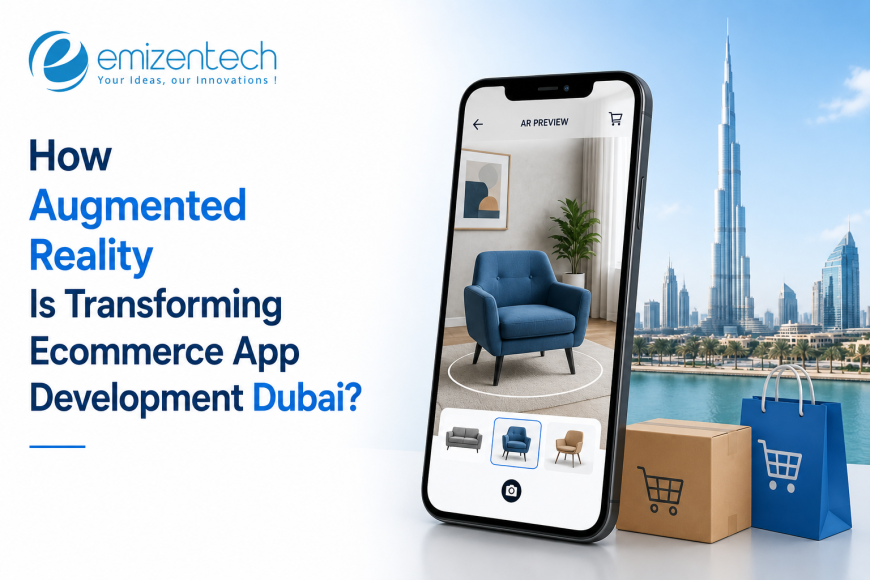
Dubai's ecommerce sector has experienced remarkable growth over the past few years, driven by increasing internet penetration, mobile shopping adoption, and evolving consumer preferences. Modern shoppers no longer want static product images and basic descriptions when making purchasing decisions. Instead, they expect engaging, interactive, and personalized shopping experiences that help them understand products before buying.
One technology that is redefining digital retail experiences is Augmented Reality (AR). By blending digital elements with the real world, AR enables customers to visualize products, interact with them virtually, and make more confident purchasing decisions. Businesses are increasingly integrating AR capabilities into their mobile applications to improve customer satisfaction, reduce uncertainty, and strengthen brand loyalty.
This article explores how AR is reshaping ecommerce applications, its benefits, key features, implementation challenges, and future opportunities for businesses seeking to enhance customer experiences.
What Is Augmented Reality in Ecommerce?
Augmented Reality in ecommerce refers to technology that overlays digital content such as 3D models, animations, and interactive visuals onto a user's real-world environment through smartphones, tablets, or other connected devices. Instead of imagining how a product might look or fit, customers can virtually place, examine, or interact with items before purchasing them.
For example, shoppers can see how a sofa fits in their living room, try on sunglasses using a smartphone camera, or preview different paint colors on a wall. This immersive experience bridges the gap between online and physical shopping, helping customers make informed decisions while increasing confidence in their purchases.
Why Is Augmented Reality Becoming Popular in Dubai’s Ecommerce Industry?
Augmented Reality is rapidly gaining traction because it aligns with Dubai's technology-driven retail environment and consumer expectations for innovation.
-
Growing smartphone usage enables seamless access to immersive shopping experiences.
-
Customers increasingly prefer interactive product exploration over traditional browsing.
-
Digital-first consumers seek greater convenience and confidence before purchasing.
-
Retailers are investing in advanced technologies to stay ahead of competitors.
-
AR reduces uncertainty associated with online shopping and product selection.
-
Businesses benefit from improved engagement, conversions, and customer retention.
-
Innovation-focused market conditions encourage the adoption of emerging technologies.
How Augmented Reality Enhances Ecommerce App Development?
AR technology is transforming how digital shopping platforms are designed by making customer interactions more engaging, informative, and personalized throughout the purchasing journey.
Virtual Product Try-On Experiences
AR-powered virtual try-on features allow customers to see how products such as eyewear, cosmetics, jewelry, or clothing look on them before purchasing, helping improve confidence and reducing hesitation during buying decisions.
Real-Time Product Visualization
Customers can place virtual products directly within their physical surroundings using smartphone cameras, enabling them to evaluate dimensions, appearance, and compatibility before completing purchases without visiting a physical store.
Interactive Product Demonstrations
Instead of relying solely on images and descriptions, shoppers can explore products through interactive demonstrations that showcase functionality, features, and usage scenarios, creating a deeper understanding of product value.
Personalized Shopping Journeys
AR technology enables highly personalized experiences by allowing users to customize colors, styles, configurations, and designs in real time, helping businesses deliver shopping journeys tailored to individual preferences.
Enhanced Customer Engagement
Immersive visual experiences encourage customers to spend more time exploring products, increasing interaction levels and creating memorable shopping experiences that strengthen relationships between brands and consumers.
Key Benefits of AR in Ecommerce Apps
AR delivers measurable advantages for both businesses and consumers by creating more engaging experiences while improving overall shopping efficiency and customer satisfaction.
Improved Purchase Confidence
Customers gain a clearer understanding of products through realistic visualizations, helping them evaluate size, appearance, and functionality accurately before making purchasing decisions online.
Reduced Product Return Rates
When shoppers know exactly what to expect before buying, the likelihood of dissatisfaction decreases significantly, leading to fewer returns and lower operational costs for businesses.
Higher Conversion Rates
Interactive product experiences help customers move through the buying process with greater certainty, encouraging faster decisions and increasing the chances of completed purchases.
Stronger Customer Satisfaction
Providing engaging and informative shopping experiences creates positive customer perceptions, resulting in improved satisfaction levels and stronger long-term relationships with brands.
Competitive Market Differentiation
Businesses that adopt innovative technologies can stand out from competitors by offering unique shopping experiences that attract attention and encourage customer loyalty.
Industries Benefiting from AR-Powered Ecommerce Apps
Several industries are experiencing significant improvements through AR integration as consumers increasingly seek immersive and realistic shopping experiences.
Fashion and Apparel
Customers can virtually try on clothing, accessories, and footwear before purchasing, helping them evaluate style, fit, and appearance while minimizing uncertainty during online shopping.
Beauty and Cosmetics
AR allows users to test makeup products, skincare solutions, and cosmetic shades digitally, making product selection easier and more accurate without requiring physical samples.
Furniture and Home Decor
Shoppers can place furniture items within their homes using AR visualization tools, enabling them to assess size, design compatibility, and room aesthetics before buying.
Electronics and Gadgets
Interactive product demonstrations help customers understand device features, dimensions, and functionality, providing valuable insights that support informed purchasing decisions.
Luxury and Lifestyle Products
Premium brands use immersive experiences to showcase product craftsmanship, exclusivity, and customization options, creating stronger emotional connections with potential buyers.
Essential AR Features for Modern Ecommerce Applications
Businesses looking to implement AR successfully should focus on features that provide meaningful value while enhancing customer experiences throughout the shopping journey.
3D Product Modeling
High-quality three-dimensional product models provide realistic representations that help customers examine products from multiple angles and gain a comprehensive understanding before purchasing.
Virtual Try-On Capabilities
Advanced camera-based technologies allow shoppers to virtually test products on themselves, delivering realistic previews that improve decision-making and purchasing confidence.
AR Product Placement
This feature enables customers to position virtual products within their actual environment, helping them determine whether items fit their space and preferences.
Real-Time Customization Options
Users can modify colors, materials, textures, and configurations instantly, allowing them to visualize personalized products before making a final purchase decision.
Social Sharing Integration
Customers can share AR experiences with friends or family for feedback, creating additional engagement opportunities and encouraging collaborative purchasing decisions.
Challenges of Implementing AR in Ecommerce Apps
While AR offers substantial benefits, businesses must address several challenges to ensure successful implementation and long-term performance.
High Development Investment
Creating immersive AR experiences requires specialized expertise, advanced tools, and ongoing maintenance, making implementation more resource-intensive than standard application development.
Accurate 3D Asset Creation
Developing realistic product models demands careful attention to detail, ensuring that virtual representations accurately reflect actual products and customer expectations.
Device Compatibility Concerns
Applications must perform effectively across various devices, operating systems, and hardware specifications to provide consistent user experiences for diverse audiences.
Performance Optimization Requirements
AR features require significant processing power, making optimization essential for maintaining fast loading times, smooth interactions, and reliable application performance.
User Adoption Challenges
Some customers may be unfamiliar with AR technology, requiring businesses to provide intuitive interfaces and guidance that encourage feature adoption and usage.
Why Businesses Should Invest in AR-Driven Ecommerce Solutions?
As consumer expectations continue evolving, businesses are increasingly exploring innovative technologies to deliver more engaging shopping experiences. The growing demand for immersive digital retail solutions has made eCommerce app development Dubai a strategic investment for companies looking to enhance customer satisfaction, drive growth, and remain competitive in a rapidly evolving market.
Meeting Modern Consumer Expectations
Today's shoppers expect engaging experiences that provide more information and confidence than traditional product pages can offer during online purchasing journeys.
Increasing Customer Retention
Interactive experiences encourage repeat visits and foster stronger customer relationships, helping businesses improve retention rates and long-term customer value.
Enhancing Brand Perception
Innovative technologies position businesses as forward-thinking organizations that prioritize customer convenience and continuously improve shopping experiences.
Supporting Revenue Growth
Improved engagement, higher conversion rates, and reduced returns contribute directly to stronger business performance and sustainable revenue generation.
Building Long-Term Competitive Advantages
Early adoption of immersive technologies enables organizations to establish market leadership while preparing for future advancements in digital commerce.
Conclusion
Augmented Reality is redefining online shopping by creating immersive experiences that help customers visualize products, make informed purchasing decisions, and engage more deeply with brands. From virtual try-ons to interactive product demonstrations, AR offers significant advantages for both businesses and consumers. As customer expectations continue to evolve, investing in advanced digital commerce technologies can help organizations improve satisfaction, increase conversions, and strengthen market competitiveness. Businesses seeking innovative solutions can benefit from partnering with experienced providers such as EmizenTech UAE to build future-ready retail experiences.
FAQs
1. What is Augmented Reality in online shopping?
Augmented Reality allows shoppers to view and interact with digital product representations within their real-world environment using mobile devices.
2. How does AR improve customer experience?
AR helps customers visualize products more accurately, reducing uncertainty and making purchasing decisions easier and more confident.
3. Which industries benefit most from AR shopping experiences?
Fashion, beauty, furniture, electronics, and luxury retail sectors are among the industries benefiting significantly from AR integration.
4. Does AR help reduce product returns?
Yes, AR enables customers to better understand products before purchasing, reducing the chances of receiving items that do not meet expectations.
5. Is AR suitable for small and medium-sized businesses?
Yes, scalable AR solutions are increasingly accessible, allowing businesses of different sizes to enhance customer experiences and improve engagement.