Flexi Road Cones vs Standard Road Cones: Which One Should You Choose?
 shamsaseo
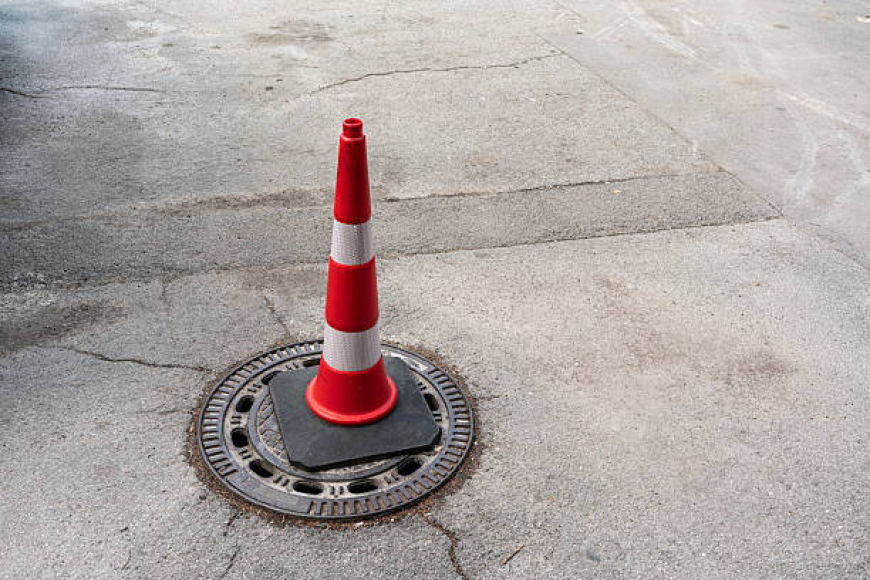
Choosing between flexible traffic cones and standard cones is not just a product decision—it’s a safety and cost decision.
The right choice depends on your environment, traffic conditions, and how often your cones are exposed to impact.
Here’s the simple truth: If your cones are regularly hit, moved, or exposed to harsh conditions, flexi (rebound) cones are usually the better investment. If not, standard cones can still do the job effectively.
What Are Flexi Road Cones?
Flexi cones—also known as impact-resistant cones or rebound cones—are made from flexible materials like PVC or polyurethane.
Their defining feature is simple: they bend on impact and return to their original shape.
This makes them ideal for high-risk environments.
According to product specifications, flexible cones are designed to absorb impact and “rebound” without permanent damage, making them highly durable for repeated use .
They also prevent vehicle damage when driven over due to their soft structure .
What Are Standard Road Cones?
Standard road cones are typically made from rigid or semi-rigid PVC or rubber.
They are still durable and widely used, but they are not designed to flex significantly under pressure.
Most standard cones offer:
-
High visibility
-
Basic durability
-
Stability with a weighted base
-
Optional reflective collars
They are reliable, but less forgiving in high-impact environments.
Key Differences: Flexi vs Standard Road Cones
1. Impact Resistance and Rebound
This is the biggest difference.
Flexi cones are built to absorb impact. They bend and return to shape, making them true rebound cones.
Standard cones, on the other hand, may crack, deform, or lose shape after repeated impact.
What this means in practice:
If cones are frequently driven over or knocked, flexi cones will last significantly longer.
2. Cone Durability Over Time
When it comes to cone durability, flexi cones outperform standard cones in demanding environments.
Flexible cones are:
-
UV resistant
-
Weatherproof
-
Designed for repeated impact
-
Less likely to crack or fade quickly
Standard cones can still be durable, but they degrade faster under heavy use.
3. Safety and Vehicle Interaction
Flexi cones are safer when struck by vehicles.
Because of their soft construction:
-
They do not damage vehicles
-
They reduce risk during accidental contact
-
They maintain their structure after impact
Standard cones can cause minor damage or become hazardous if broken.
4. Stability and Structure
Standard cones are often slightly more rigid, which can make them feel more stable in low-impact environments.
However, modern flexi cones also include weighted bases, meaning they combine flexibility with stability .
5. Cost vs Long-Term Value
Flexi cones are usually more expensive upfront.
But here’s where most buyers get it wrong:
They are significantly more cost-effective over time.
Because they last longer and don’t need frequent replacement, they qualify as long-lasting road safety products.
When to Choose Flexi Road Cones
Flexi cones are the better option when durability and safety are critical.
-
High-traffic roads or highways
-
Construction sites with moving vehicles
-
Industrial environments
-
Areas where cones are frequently knocked or driven over
-
Long-term projects requiring consistent performance
In these environments, impact-resistant cones reduce replacement costs and improve safety.
When Standard Road Cones Are Enough
Standard cones still have their place.
They are ideal for:
-
Low-traffic areas
-
Parking lots and private properties
-
Indoor environments
-
Short-term use
-
Situations with minimal risk of impact
If cones are unlikely to be hit, standard options remain a cost-effective solution.
Case Study: Reducing Replacement Costs on a Worksite
Challenge
A contractor was replacing damaged cones every few weeks due to vehicles driving over them on-site.
Action
We switched the site to flexible traffic cones with rebound capability.
Result
Cone replacement dropped by over 60% within three months. Safety improved, and costs stabilised.
Key insight: Durability is not about how strong a cone is—it’s about how well it handles impact.
Pro Tip: Think in Terms of Impact Frequency
Most buyers focus on price. Professionals focus on usage.
The more often your cones are hit, the more you should invest in flexibility.
If your cones are regularly impacted, standard cones are not saving you money—they are costing you more in replacements.
Common Buying Mistakes
Many buyers choose incorrectly because they overlook real-world conditions:
-
Choosing standard cones for high-impact environments
-
Ignoring rebound capability
-
Prioritising upfront cost over lifespan
-
Not considering visibility and durability together
-
Buying based on size instead of application
Avoiding these mistakes leads to better long-term outcomes.
The Final Verdict: Which One Should You Choose?
There is no one-size-fits-all answer, but there is a clear rule:
-
Choose flexi road cones if durability, safety, and long-term value matter
-
Choose standard cones if usage is light and short-term
In most professional environments, flexi cones are the smarter investment.
Key Takeaways
-
Flexi cones are impact-resistant and rebound after being hit
-
Standard cones are suitable for low-risk environments
-
Flexi cones offer better long-term durability and value
-
Choosing the right cone depends on usage, not just price
-
High-impact environments always favour flexible traffic cones
People Also Ask (FAQ)
What are rebound traffic cones?
Rebound cones are flexible traffic cones designed to bend on impact and return to their original shape, improving durability and safety.
Are flexi cones better than standard cones?
Flexi cones are better for high-impact environments due to their durability and flexibility. Standard cones are suitable for low-impact, short-term use.