Extended Magazines for Glock 19: What You Should Consider Before Buying
 crissmiel
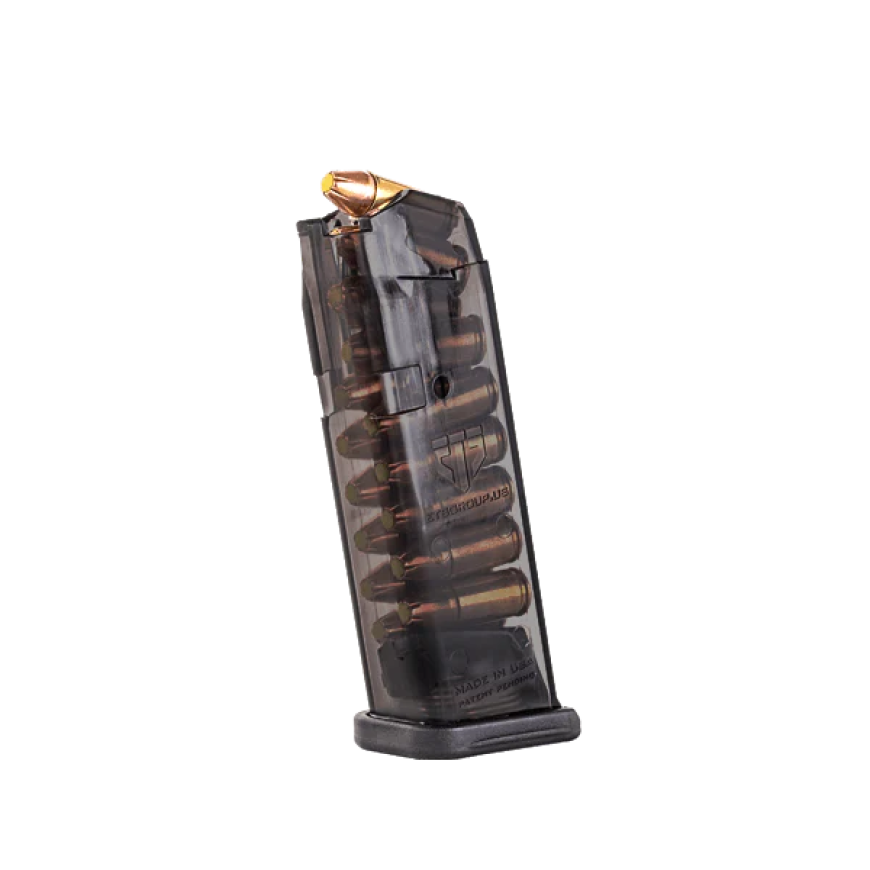
When people start looking into extended mags for glock 19, it usually comes from a simple place—more capacity, fewer reloads, and a bit more confidence on the range. Fair enough. Nobody really enjoys swapping mags every few seconds when they’re in the middle of training. But let’s be real, it’s not just about slapping on a bigger magazine and calling it a day. There’s more going on under the surface than most folks think.
The Glock 19 is already a solid, balanced pistol. So when you start modifying it with extended magazines, you’re changing how it handles, feeds, and even feels in your hand. Some of that change is good. Some of it… not so much if you don’t know what you’re doing.
Capacity vs Control: What You’re Actually Gaining
More rounds sound great on paper. And it is, mostly. Extended magazines give you that extra buffer, especially in training sessions or defensive scenarios where reloads might slow you down. But the tradeoff is balance.
A longer mag shifts weight downward. That changes grip feel, especially for shooters with smaller hands. The Glock 19 was designed to sit in a sweet spot between compact and full-size, so once you extend the magazine, you kind of tilt that balance.
Truth is, some shooters love it. Others hate it after one range trip. There’s no universal answer here.
Reliability Matters More Than Capacity
Here’s where things get real. Reliability beats capacity every time. Doesn’t matter how many rounds you’re carrying if the magazine doesn’t feed properly.
Not all extended mags for Glock 19 are built the same. Some run flawlessly, especially quality OEM or well-reviewed aftermarket brands. Others… well, they start acting weird after a few hundred rounds. Failures to feed, spring fatigue, or that annoying last-round hang-up.
If you’re going extended, test it hard. Don’t just load it once and trust your life or training to it. Run it dirty, run it fast, and see what breaks.
OEM vs Aftermarket Choices (and the Confusion in Between)
This is where most people get stuck. OEM mags are usually the safe bet. They’re built to Glock specs, tested properly, and generally boring—in a good way.
Aftermarket extended mags? That’s a mixed bag. Some brands are excellent and even improve capacity without messing with reliability. Others are cheap copies that look fine until they don’t.
The tricky part is marketing. Everything looks “mil-spec” or “battle tested” online. It’s not always true. So yeah, do your homework, or better yet, ask people who actually run them at the range, not just reviewers on YouTube.
Durability, Materials, and Long-Term Wear
A magazine takes more abuse than people think. It’s constantly loaded, dropped, slapped into place, and exposed to pressure from the spring inside. Over time, weak materials start to show cracks or deformation.
Polymer bodies are standard now, but not all polymers are equal. Some flex too much under pressure. Others hold up fine but wear out feed lips faster than expected.
If you’re planning to rely on extended mags long-term, don’t cheap out. That’s usually where regret starts creeping in. And once a mag starts failing, you stop trusting it—and that’s a bad place to be mentally when you’re training or carrying.
Handling Changes You Don’t Expect at First
Extended magazines don’t just change capacity—they change how the gun behaves in motion. Recoil feels slightly different because of the added weight at the base. Reload speed might improve or get worse depending on your grip style.
Some shooters adjust quickly. Others keep fumbling reloads because the magazine sits differently in the hand. It sounds small, but under stress, small things get loud.
You won’t really know how it affects you until you spend time on the range. Dry fire helps, but live fire tells the truth.
Practical Use, Storage, and Carry Reality
Let’s not ignore the obvious—carrying a Glock 19 with extended mags isn’t always practical. It prints more, weighs more, and doesn’t always sit comfortably in standard holsters or pouches.
Most people end up using extended mags for range days or home defense setups rather than daily carry. That’s usually the sweet spot.
Also, storing loaded extended mags long-term can stress the spring more if they’re low-quality. Rotate them. Don’t just load one and forget it in a drawer for a year.
Gear Mindset: Not Just Guns, But the Whole Setup
Funny thing is, people obsess over magazines but ignore everything else in their kit. Optics, training tools, and even rifle setups if they own one. Speaking of which, when guys start building out a full range setup, they often look into things like best affordable rifle scope options for budget-friendly accuracy work.
It’s the same mindset, really. Balance cost, reliability, and performance. Whether it’s mags or optics, the principle doesn’t change much. Don’t chase hype. Chase consistency. That’s what actually makes gear useful over time.
Conclusion: Keep It Simple, Keep It Tested
At the end of the day, extended mags for glock 19 are not magic upgrades. They’re tools. Useful ones, sure, but only if you pick the right ones and actually test them under real conditions.
Some shooters will swear by them, others will stick to standard capacity and never look back. Both are fine. What matters is knowing why you chose what you did, not just following trends.
So don’t rush it. Buy one or two, test them hard, and see how your Glock actually responds. The gun will tell you the truth if you’re willing to listen.