Essential Guide to Surgical Positioning Gel Pads: Protecting Patients in Every Stance
Learn how surgical positioning gel pads protect patients in every surgical position by reducing pressure, preventing injuries, and improving comfort and safety.
 lenvitz
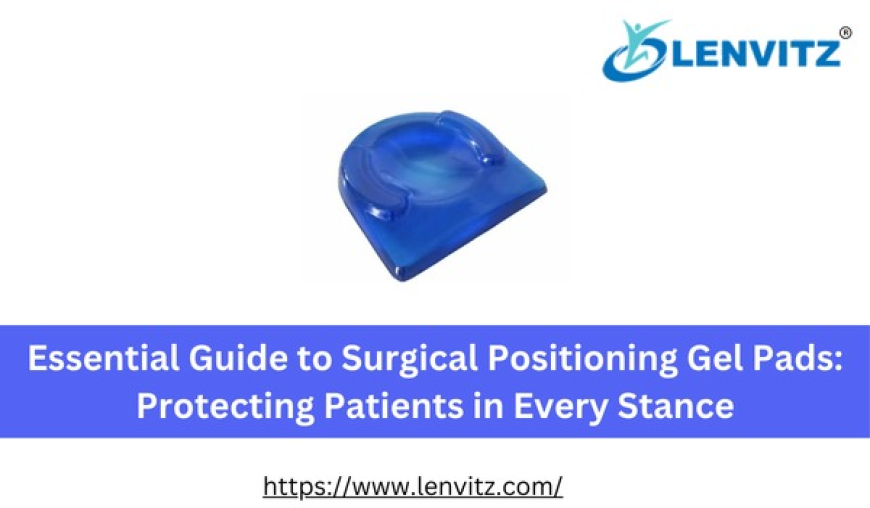
Every surgical procedure requires placing a patient in a specific physical position to give surgeons safe, direct access to the operating site. Whether lying flat on the back, resting on one side, or placed in specialized leg holders, patients remain motionless under anesthesia for hours. Without proper body support, prolonged contact with firm operating tables can lead to nerve damage, circulation issues, and pressure injuries. High-density gel positioners play a vital role in preventing these complications across various surgical positions.
Standard Back Support: Protecting the Body with Supine Position Gel Pads
The most common surgical posture is lying flat on the back. While it seems natural, extended immobility in this stance focuses body weight on distinct contact points—specifically the back of the head, shoulder blades, sacrum, and heels.
Using supine position gel pads helps distribute body weight evenly across the entire surface of the surgical table. These specialized pads cushion high-stress bony areas, preserve steady blood flow, and lower the risk of post-operative tissue damage or nerve numbness in the heels and lower back.
Side-Lying Surgeries: Anatomical Alignment with a Lateral Positioner
Certain procedures—such as hip replacements, kidney surgeries, and thoracic operations—require patients to lie on their side. Lying sideways places immense concentrated pressure on the lower hip, ribcage, outer ankles, and shoulders.
Surgical teams rely on a specialized lateral positioner to keep the body stable and aligned.
How Side Support Supports Patient Safety
-
Spinal Alignment: Prevents twisting or straining of the spine during lengthy procedures.
-
Axillary Protection: A dedicated chest roll or axillary pad relieves pressure on the armpit area, protecting the delicate brachial plexus nerve bundle.
-
Joint Cushioning: Placing Lateral position gel pads between the knees and ankles prevents friction, bony contact, and pressure ulcers on overlapping legs.
Specialized Gynecological & Urological Support: Lithotomy Position Gel Pads
Procedures involving pelvic, urological, or colorectal care often require elevating and supporting the patient’s legs in stirrups. Because the legs are raised and flexed, pressure shifts heavily toward the lower back, sacrum, and knees.
Without targeted padding, stirrup straps and supports can compress the peroneal nerve near the knee, leading to foot drop or temporary leg weakness after surgery. Using high-grade lithotomy position gel pads cushions the calves, thighs, and heels within stirrups. This cushions high-impact pressure points, maintains proper venous circulation, and protects peripheral nerves throughout the operation.
Safer Outcomes Through Medical-Grade Support
Patient care during surgery extends beyond the main procedure—it requires protecting soft tissues and nerves from head to toe. By incorporating targeted solution like lithotomy position gel pads, supine position gel pads, and contoured Lateral position gel pads, surgical teams ensure optimal anatomical stability. Advanced medical gel positioners elevate patient comfort, lower post-operative complications, and support smoother, safer recoveries across every surgical discipline.