What to Expect During a Professional Medical Photoshoot
“This article provides a comprehensive guide to executing a successful medical photoshoot. It explains how healthcare facilities can balance creative branding with strict clinical accuracy, patient privacy regulations, minimal operational disruption and compliance driven post production to build authentic trust.”
 laphototeam
High impact visual branding is essential across every modern industry, but healthcare operates under a completely unique set of rules. A professional medical photoshoot combines high end marketing with clinical compliance, unlike ordinary corporate photography, which focuses on clean lighting and pleasant faces. It entails combining aesthetic aspirations like warmth, cutting edge innovation, and patient trust with the unavoidable reality of a healthcare facility. For providers, administrators and marketing teams, understanding the mechanics of this specialized process is the key to executing a seamless, safe and visually compelling project.
The Pre Shoot Phase: Logistics, HIPAA and Compliance
The success of a clinical photo session is determined long before the photographer unpacks their first camera lens. Because healthcare environments are heavily regulated, the pre production phase requires meticulous planning that goes far beyond standard creative mood boards.
HIPAA and Privacy Protocols
Patient privacy is the single most critical factor during production. Standard corporate model releases are insufficient in a healthcare setting. Specialized media waivers, drafted or approved by a legal team, must be secured for anyone appearing in the frame whether they are actual patients, actors, or staff members.
Furthermore, production teams must establish clear zones. Before a single shutter clicks, the site must be swept to ensure no Protected Health Information is visible. This includes background items such as:
-
Patient charts left on counters
-
Digital medical records open on computer monitors
-
Wall mounted whiteboards displaying patient names or room assignments
-
Wristbands or prescription bottles
Coordination with Clinical Operations
A hospital or clinic cannot halt operations for a marketing campaign. To minimize disruption to critical patient care, shoots are meticulously scheduled around peak hours or executed in dedicated, closed off wings.
Having a clinical liaison is standard. This staff member connects the creative and medical teams to ensure photographers can safely traverse restricted locations without disturbing workflows.
On Set Reality: What Happens on Shoot Day
When the production crew arrives, the environment undergoes a controlled transformation. Understanding how a professional crew operates prevents friction between the creative team and medical staff.
Minimizing the Crew Footprint
Medical institutions, from examining rooms to diagnostic laboratories are usually small and filled with sensitive equipment. Skilled commercial crews significantly reduce their space for such tasks. They don’t use cumbersome and enormous lighting installations and large tripods that can be a tripping hazard; rather, they opt for mobile lighting devices and small stabilization systems that work on battery. Safety wires are secured in no time and the same goes with keeping pathways clear for ambulances and other emergency responders.
Clinical Accuracy vs. Photographic Aesthetics
One of the greatest challenges during a session is balancing the photographer’s eye for beauty with absolute clinical accuracy. Medical audiences whether they are prospective patients evaluating a facility or peer physicians reading a journal will instantly notice protocol errors.
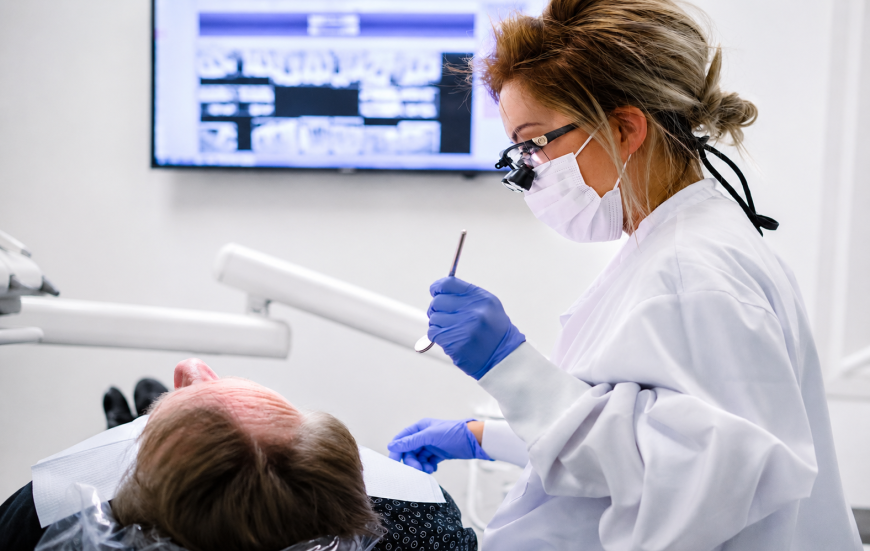
The creative team must work in tandem with the clinical liaison to verify that personal protective equipment (PPE) is worn flawlessly. This means masks must fit tightly, hair must be entirely contained in caps and gloves must be pulled over gown cuffs. Furthermore, sterile fields in surgical or wound care environments must never be breached by the photographer or their equipment and all clinical instruments must be utilized realistically to avoid staged poses that look unnatural to trained professionals.
Directing the Talent
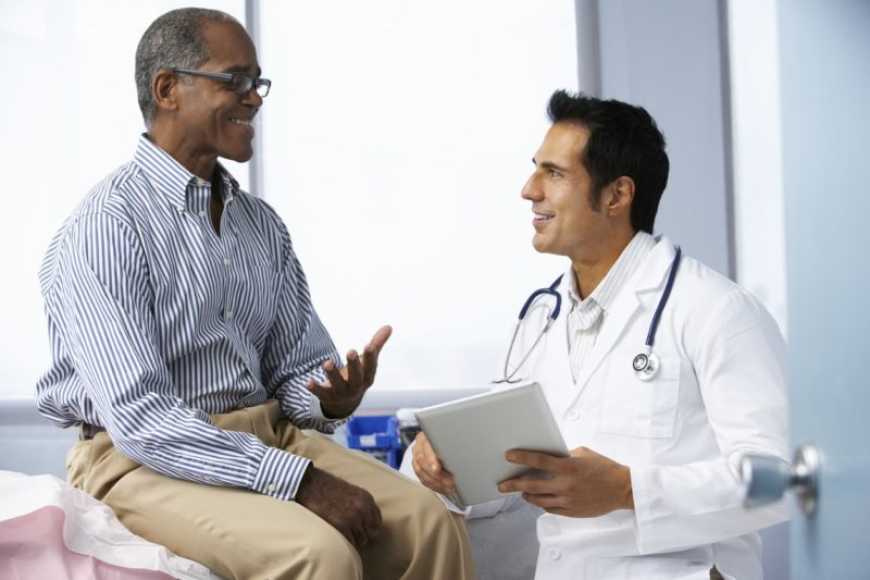
If real doctors, nurses and technicians are being photographed rather than professional models, camera shyness is common. A skilled director handles this by guiding staff to perform their actual, everyday routines. By focusing on authentic patient provider interactions or the precise calibration of a laboratory instrument, the subjects naturally project empathy, authority and confidence.
Post Production and Final Asset Delivery
Once the physical production concludes, the project enters a nuanced post production pipeline where compliance remains just as important as artistic editing.
The Compliance Review
Images undergo a tough compliance assessment before being posted on a website, recruitment brochure or billboard. Final proofs should be reviewed by a medical director, compliance officer or risk manager. During a busy shoot day, this safety net might detect small details like an unapproved brand of equipment in the backdrop or a technique fault.
Natural, Authentic Editing
While standard commercial photography often relies on heavy color grading, dramatic shadows, or hyper stylized filters, medical imagery demands authenticity. Editing is kept clean, bright and true to life. Overly manipulated images can inadvertently communicate artificiality, which erodes the core foundation of healthcare marketing: trust.
Conclusion
Preparing a clinical photo session may cost a lot of time, coordination and managerial effort. But the results make this effort worthwhile. Custom, compliant photography provides more than just fulfilling a website. It makes the brand more human, reassures the anxious patients and highlights the modern equipment of the facility. Anticipating this demand and ensuring compliance with clinical requirements from the very first day allows healthcare institutions to successfully obtain high quality pictures.