Why Parents Should Teach Kids to Protect Their Privacy on Social Media
 Sulina1
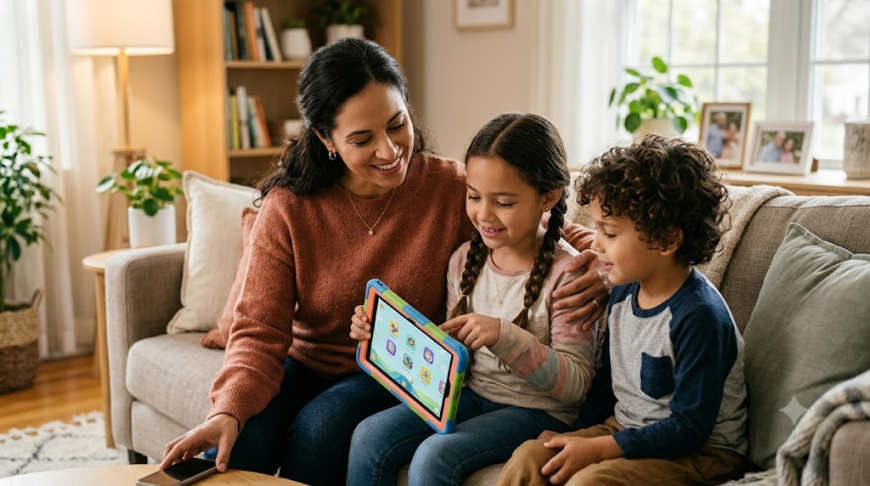
For many children, social media is part of everyday life. They use it to stay connected with friends, share special moments, follow their favorite creators, and discover new ideas. While these platforms can be fun and educational, they also require children to understand something that isn't always obvious—online privacy.
Many young users think only about what they want to post today. They rarely consider who might see that information tomorrow. This is why parents play such an important role in helping children build safe social media habits from an early age.
Online Privacy Is More Than Just a Setting
When people hear the word "privacy," they often think about making an account private. While that is a good first step, online privacy is much more than changing a few settings.
It also includes being careful about what is shared, who can view it, and how that information could be used later. Even a simple photo or comment can reveal more than a child realizes.
Helping children understand this concept early makes them more confident and responsible online.
Children Learn Best Through Everyday Conversations
Parents do not need to schedule long lessons about internet safety.
Instead, online privacy can become part of normal family conversations. If your child starts using a new app, ask what they like about it. If they post a photo, ask who can see it. If they receive a friend request, ask whether they know the person.
These simple questions encourage children to think about their choices without making them feel like they are being questioned.
Teach Children That Not Everything Should Be Shared
Children naturally enjoy sharing exciting moments with friends, but they should also learn that some information should remain private.
Parents can explain why details such as home addresses, school names, phone numbers, passwords, and live locations should never be posted publicly.
When children understand the reasons behind these rules, they are much more likely to follow them.
Set an Example at Home
Children pay attention to how their parents use social media.
If parents are careful about what they share, ask permission before posting family photos, and respect other people's privacy, children often develop the same habits.
Leading by example is one of the most effective ways to teach responsible online behavior.
Technology Can Help Parents Stay Informed
Even with good communication, parents cannot always see what happens online.
Parental monitoring tools can provide helpful insights into digital activity, making it easier to recognize changes in online behavior and discuss them before they become serious concerns.
These tools should support family communication rather than replace it.
For parents looking for practical advice, this guide on Child Safety and Privacy Control on Social Media explains useful strategies for helping children stay safe while enjoying social media:
It covers important privacy tips, common online risks, and ways parents can build healthier digital habits with their children.
Why Many Families Choose TheOneSpy
TheOneSpy helps parents better understand their child's digital activity through its monitoring features. It provides insights into device usage and online behavior, helping parents stay informed while encouraging trust and responsible technology use.
Instead of waiting until online problems occur, families can use TheOneSpy to start meaningful conversations about internet safety, screen time, and privacy. When combined with open communication, it becomes a valuable tool for supporting children as they grow in today's digital world.
Final Thoughts
Children do not become responsible internet users overnight. They learn through guidance, practice, and regular conversations with the people they trust most.
By teaching online privacy, encouraging smart sharing habits, and staying involved in their child's digital life, parents can help create a safer social media experience.
Technology will continue to evolve, but the importance of communication, trust, and good digital habits will always remain the foundation of online safety.