Does Hot Water Cause Hair Loss? Understanding the Effects of Hot Water on Your Hair
 Tressroots
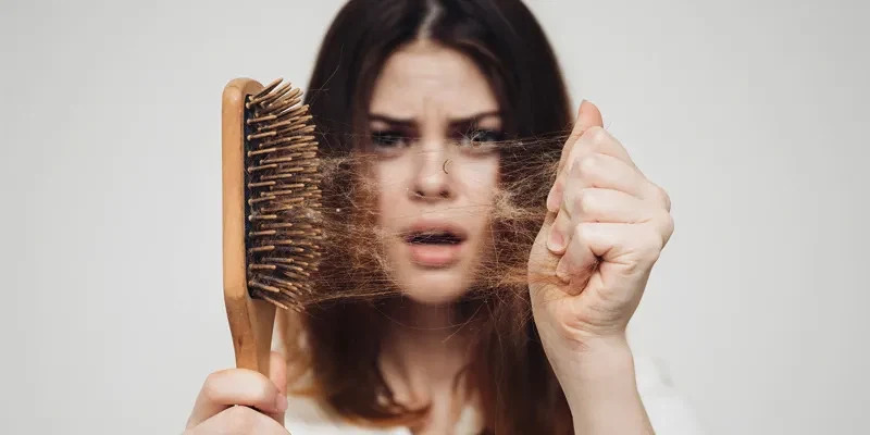
Hair care often comes down to simple daily habits. The temperature of the water used during a shower is one of those habits that people rarely think about until they notice dryness, frizz, scalp irritation, or increased hair shedding. Hot showers can feel relaxing, especially during cold weather, but many people wonder whether regularly washing their hair with hot water could contribute to hair loss.
The short answer is that hot water is not generally considered a direct cause of permanent hair loss. However, water that is excessively hot can affect the scalp and hair shaft in ways that may make hair more fragile, dry, and prone to breakage. Understanding the difference between hair shedding, breakage, scalp health, and actual hair loss can help you make better decisions about your hair-washing routine.
How Water Temperature Affects Your Hair
Hair is made primarily of a protein called keratin. The outer layer of each hair strand, known as the cuticle, helps protect the inner structure from environmental and mechanical damage. When hair is exposed to excessive heat or harsh conditions repeatedly, the cuticle can become more vulnerable to damage.
Very hot water can remove some of the natural oils produced by the scalp. These oils, often referred to as sebum, help maintain the scalp's natural moisture balance and provide lubrication for the hair. Removing too much of this protective oil may leave the scalp feeling dry or tight while making the hair look dull and rough.
This is one reason the question does hot water cause hair loss is more complicated than a simple yes-or-no answer. Hot water itself does not usually damage the hair follicle enough to cause permanent hair loss. However, excessive heat and dryness can contribute to a less comfortable scalp environment and increased hair breakage.
Hot Water and Hair Breakage Are Not the Same as Hair Loss
One of the most important distinctions in hair care is the difference between breakage and hair loss.
Hair loss generally involves the hair coming out from the follicle, while breakage occurs when the hair shaft snaps somewhere along its length. If your hair is breaking because it has become dry or fragile, you may notice shorter strands, split ends, frizz, or uneven-looking lengths.
A hot shower may contribute to dryness, particularly when combined with frequent shampooing, vigorous towel drying, chemical treatments, or other sources of damage. The result can be more breakage, which may make your hair appear thinner even when the follicles themselves are still functioning normally.
This distinction matters because treating breakage is different from addressing conditions that cause genuine hair loss. Genetics, hormonal changes, nutritional deficiencies, certain illnesses, medications, and scalp disorders can all contribute to hair shedding or thinning.
Can Hot Water Damage the Scalp?
The scalp is skin, and like the skin elsewhere on the body, it can become irritated when exposed to excessive heat.
Very hot water may strip away natural oils and leave the scalp feeling dry. Some people may experience itching, tightness, flaking, or increased sensitivity. If a person already has a dry or irritated scalp, extremely hot showers may make those sensations more noticeable.
A healthy scalp provides an important foundation for healthy-looking hair. That does not mean the temperature of your shower water determines whether your follicles will grow hair, but maintaining a comfortable scalp environment is still a sensible part of a broader hair-care routine.
If your scalp becomes persistently itchy, inflamed, painful, or unusually flaky, changing water temperature alone may not solve the problem. Persistent scalp symptoms are worth discussing with a dermatologist or other qualified healthcare professional.
Is Hot Water Good for Hair?
The answer depends largely on what you mean by “hot.” Warm water and extremely hot water should not be treated as the same thing.
So, is hot water good for hair? Extremely hot water is generally not the best choice for regular hair washing. Warm or lukewarm water is usually a more practical option because it can help cleanse the scalp without exposing the skin and hair to unnecessary heat.
Warm water can make shampooing comfortable and may help loosen sweat, oil, and styling-product residue from the scalp. The key is moderation. There is no need for water to be uncomfortably hot for shampoo to clean the hair effectively.
If you enjoy a hot shower, consider lowering the temperature when washing your hair. You can still enjoy the relaxing sensation of a warm shower without making your scalp and hair endure excessive heat.
Why Lukewarm Water May Be a Better Choice
Lukewarm water offers a comfortable middle ground for most hair-washing routines. It can help remove everyday buildup while being gentler on the scalp than very hot water.
After applying shampoo, massage the scalp gently with your fingertips rather than scratching aggressively with your nails. Concentrate the shampoo on the scalp and roots, where oil and buildup tend to accumulate, and allow the lather to move through the lengths as you rinse.
If your hair is particularly dry, curly, chemically treated, or damaged, being gentle becomes even more important. Excessive heat, harsh cleansing, frequent straightening, and rough handling can all contribute to cumulative hair-shaft damage.
Does Cold Water Make Hair Healthier?
Cold water is sometimes promoted online as a secret solution for stronger or shinier hair. However, hair care claims can become exaggerated when they are repeated without context.
You do not need an ice-cold shower to maintain healthy hair. If you enjoy rinsing with cooler water, there is generally no problem with doing so, but it should not be considered a treatment for hair loss.
The more important factors are consistent, gentle hair care, appropriate cleansing, adequate conditioning, protection from excessive heat styling, and addressing underlying causes when genuine hair thinning occurs.
Rather than focusing on extreme water temperatures, aim for a comfortable temperature that does not leave your scalp feeling irritated or excessively dry.
Common Hair-Washing Habits That Can Increase Damage
Water temperature is only one part of the equation. Other habits may have a much greater effect on the condition of your hair.
Washing too aggressively can create unnecessary friction. Scrubbing the hair lengths repeatedly may increase tangling and breakage, especially when the strands are wet.
Rubbing wet hair vigorously with a towel can also cause mechanical stress. Wet hair is more vulnerable to stretching and breakage, so gently squeezing out excess water and using a soft towel or microfiber towel can be a better approach.
Frequent use of high-temperature hair dryers, straighteners, and curling irons can also weaken the hair shaft over time. If heat styling is part of your routine, using an appropriate heat protectant and avoiding unnecessarily high temperatures can help reduce damage.
Chemical processing, including frequent bleaching, coloring, relaxing, and perming, may further increase dryness and breakage.
How to Build a Healthier Hair-Washing Routine
A simple routine can go a long way toward protecting the appearance and feel of your hair.
Start by choosing a water temperature that feels warm rather than extremely hot. Use a shampoo suited to your scalp and hair type, and avoid applying more product than necessary.
Massage the scalp gently with your fingertips. There is no need to scrub forcefully. Rinse thoroughly so that shampoo does not remain on the scalp.
Apply conditioner primarily to the mid-lengths and ends if your hair tends to become oily at the roots. People with very dry or curly hair may benefit from a more conditioning-focused routine.
After washing, handle the hair gently. Avoid aggressive towel rubbing, and give your hair time to dry naturally when practical. If you use a blow dryer, keep it moving and avoid holding intense heat against one area for an extended period.
Finally, pay attention to how your scalp and hair respond. Hair care is not one-size-fits-all, and a routine that works beautifully for one person may not work as well for another.
When Hair Loss Needs More Attention
If you notice a few strands in your shower drain, that does not necessarily mean you are experiencing abnormal hair loss. People naturally shed hair every day as part of the normal hair-growth cycle.
However, persistent or noticeable thinning deserves more attention. Signs that may warrant professional evaluation include a widening part, receding hairline, clearly visible scalp, bald patches, sudden increases in shedding, or changes accompanied by scalp inflammation.
In these situations, focusing only on shower temperature may distract from the real cause. Hair loss can have many potential triggers, and identifying the underlying reason is often more important than changing a single hair-care habit.
A dermatologist can evaluate the scalp and hair pattern and determine whether additional examination or testing is appropriate.
The Bottom Line: Choose Warm, Not Scalding
So, does hot water cause hair loss? Excessively hot water is not generally considered a direct cause of permanent hair loss, but it can contribute to dryness, scalp irritation, and hair-shaft damage that may increase breakage. If your hair already feels dry or fragile, repeatedly using very hot water may make the situation worse.
And is hot water good for hair? Extremely hot water is not the ideal choice for routine hair washing. Lukewarm or comfortably warm water is a sensible alternative that can clean the scalp without unnecessary exposure to excessive heat.
Healthy hair is influenced by much more than shower temperature. Genetics, hormones, nutrition, health conditions, hair-care practices, styling habits, and scalp health can all play important roles. Instead of searching for a single miracle solution, focus on gentle and consistent care.
A comfortable shower temperature, mild handling, suitable cleansing and conditioning products, reduced heat styling, and professional advice when unusual hair loss occurs can together create a much stronger foundation for maintaining healthy-looking hair.