Dental Implants vs. Other Tooth Replacement Options
 metaminds
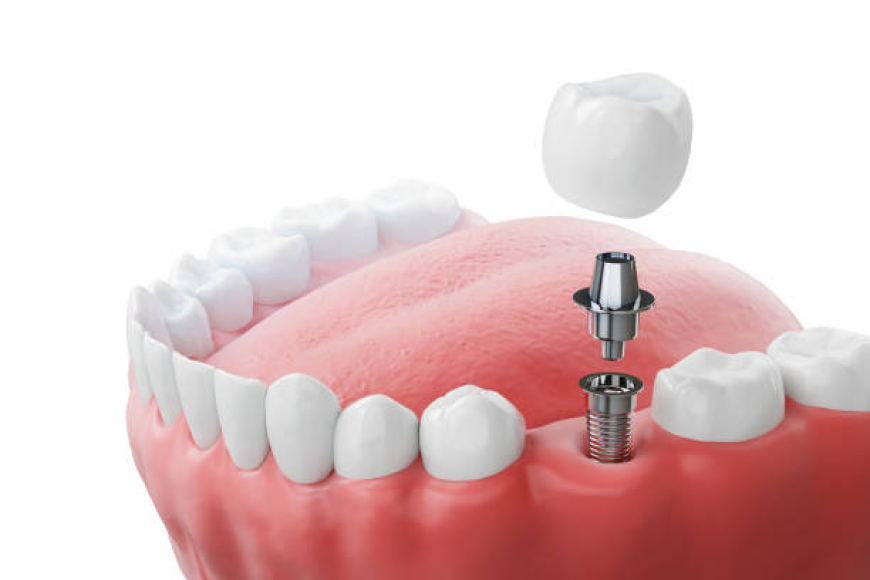
Losing a tooth is frustrating. There's the obvious gap, of course, but then little things start changing. Food gets stuck there. Chewing on one side becomes a habit. You might even catch yourself covering your mouth when you laugh. If you're researching dental implants in Burbank CA, you've probably already seen plenty of opinions about implants being the best way to replace a missing tooth. Maybe they are for you. Maybe they aren't. A dental bridge or dentures could make more sense depending on what's going on in your mouth. The important thing is understanding the difference before making a decision based on a quick online search.
Dental Implants Are Built Into the Jaw
The biggest difference with an implant is underneath the gum. Instead of simply replacing the part of the tooth you can see, an implant replaces the root too. A small post is placed into the jawbone, allowed to heal, and then topped with an abutment and crown. That's why implants tend to feel more secure than removable options. There's no taking the tooth out before bed. No worrying about it moving while you're eating. But there's a catch, and it's worth saying plainly: implants take time. Healing can take several months, and not everyone has enough bone to place one immediately. Some people need a bone graft first. So, yes, it's a longer process. That's part of the deal.
A Bridge Gets the Gap Filled Without an Implant
A dental bridge is a different kind of solution. Think of it as a replacement tooth held in place by the teeth beside the empty space. The bridge is fixed, so you don't remove it like a denture. For many patients, that's a nice middle ground. Treatment is usually quicker than an implant, and there isn't an implant post going into the jaw. However, the neighboring teeth have to do some of the work. They may need to be reshaped so the bridge can sit properly. That can be perfectly reasonable when those teeth already have large fillings or crowns. If they're completely healthy, though, some people would rather leave them alone. It comes down to the individual case.
Dentures Are Not Automatically the Bad Option
There's a strange idea that choosing dentures means you've somehow settled for less. That's not fair. Dentures can be very useful, particularly when someone is missing several teeth or an entire arch. A partial denture fills selected spaces while using the remaining teeth for support. A full denture replaces a whole upper or lower set. They can also be made without the surgical process required for implants. Of course, dentures aren't completely maintenance-free. They need cleaning, they can require adjustments, and they may feel unusual at first. A poor fit can be especially annoying. But a well-fitting denture can work just fine for a lot of people. Sometimes practical wins.
How Do They Actually Feel Day to Day?
This part gets overlooked in a lot of dental articles. People aren't just buying a treatment. They're going to live with it. An implant is fixed into the jaw, so once it has healed and the crown is in place, you generally don't think about removing it. A bridge is fixed too, although you need to clean around it carefully because food can collect underneath. Dentures are removable, which means you have to build that into your routine. Some people don't mind that at all. Others hate the idea. If you've worn a removable appliance before, you probably already know which camp you're in.
The Jawbone Changes After Tooth Loss
There's another reason implants get so much attention. After a tooth is lost, the jawbone underneath that area can gradually shrink because the natural root is no longer there. It's not something you wake up and notice one morning. It happens slowly. An implant can provide stimulation to the bone because it is anchored where the tooth root used to be. Traditional bridges and dentures don't offer that same function. That doesn't mean everyone needs an implant immediately. Your dentist may first need to look at your bone levels and gum health. If the bone has already changed significantly, additional treatment might be needed before an implant is possible.
Let's Talk About Cost Without Pretending It Doesn't Matter
Nobody wants to spend more money than necessary on dental work. That's normal. Implants typically have a higher starting cost because there are more stages involved. The implant itself, surgery, healing, the crown, and possibly a bone graft can all be part of the bill. A bridge is often less expensive upfront, while dentures can be a more economical choice when multiple teeth need replacement. But the first price isn't the whole story. Ask how long each option is expected to last and what happens if something needs repair or replacement. A cheaper treatment isn't much of a bargain if you're constantly paying to fix it.
Your Overall Oral Health Can Change the Answer
This is where Family Dentistry becomes relevant. Replacing one tooth doesn't happen in isolation. A dentist needs to look at the gums around it, the condition of the neighboring teeth, your bite, and the amount of available bone. You might really want an implant, but if you have untreated gum problems, that needs attention first. Maybe the neighboring teeth aren't strong enough for a bridge. Or perhaps several missing teeth make a partial denture more sensible. These are the kinds of details that don't show up in a simple comparison chart. Your mouth has its own circumstances.
Which Tooth Replacement Option Makes Sense?
There isn't a gold medal here. Implants are excellent for patients who want a stable, fixed replacement and are good candidates for the procedure. Bridges can be a sensible choice when someone wants a fixed tooth without going through implant surgery. Dentures can make plenty of sense when affordability, multiple missing teeth, or avoiding surgery are major concerns. And sometimes the choice isn't obvious until a dentist takes X-rays and examines everything properly. That's okay. You don't need to walk into the appointment already knowing what treatment you want.
Conclusion: Don't Choose Based on Hype
A missing tooth deserves attention, but choosing a replacement shouldn't turn into a sales competition. Dental implants have some strong advantages, especially when long-term stability and jawbone support are important. Bridges and dentures have their own strengths and can be the better route in plenty of situations. Look at the health of your mouth, the time you're willing to spend on treatment, what you can afford, and what you're comfortable maintaining afterward. Ask the dentist to explain the drawbacks too, not just the benefits. That's usually where you get the useful information. The best replacement isn't necessarily the newest one. It's the one that makes sense for you and that you can actually live with.