Commercial Spaces Are Switching to Intelligent Glass Systems — Here’s Why
Discover why commercial spaces are adopting intelligent glass systems for privacy, energy efficiency, modern design, and smarter building performance.
 shabana
0
4
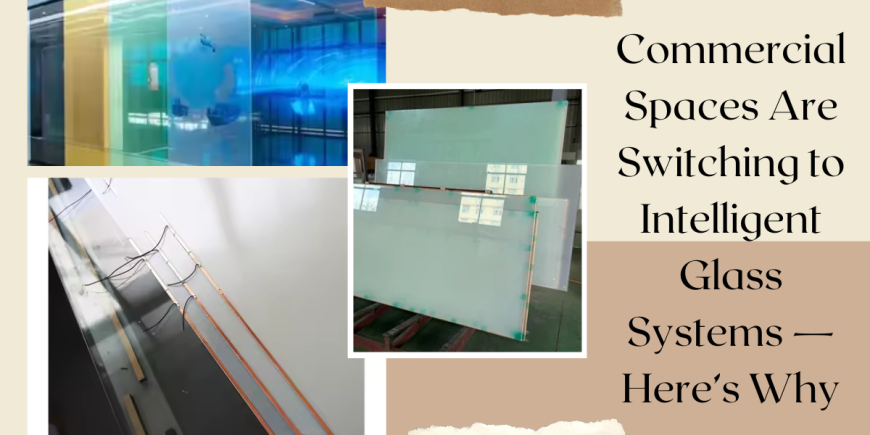
Modern commercial architecture is undergoing a transformation. From corporate headquarters to healthcare facilities and retail environments, businesses are rethinking how their spaces function, feel, and perform. One of the most impactful innovations driving this shift is intelligent glass systems — a technology that allows glass surfaces to change from clear to opaque with the flip of a switch.
But why are so many commercial spaces making the change? The answer lies in a combination of privacy, efficiency, aesthetics, and long-term value.
1. Instant Privacy Without Compromising Design
Traditional privacy solutions like blinds, curtains, or frosted panels can interrupt the sleek look of modern architecture. Intelligent glass eliminates that compromise.
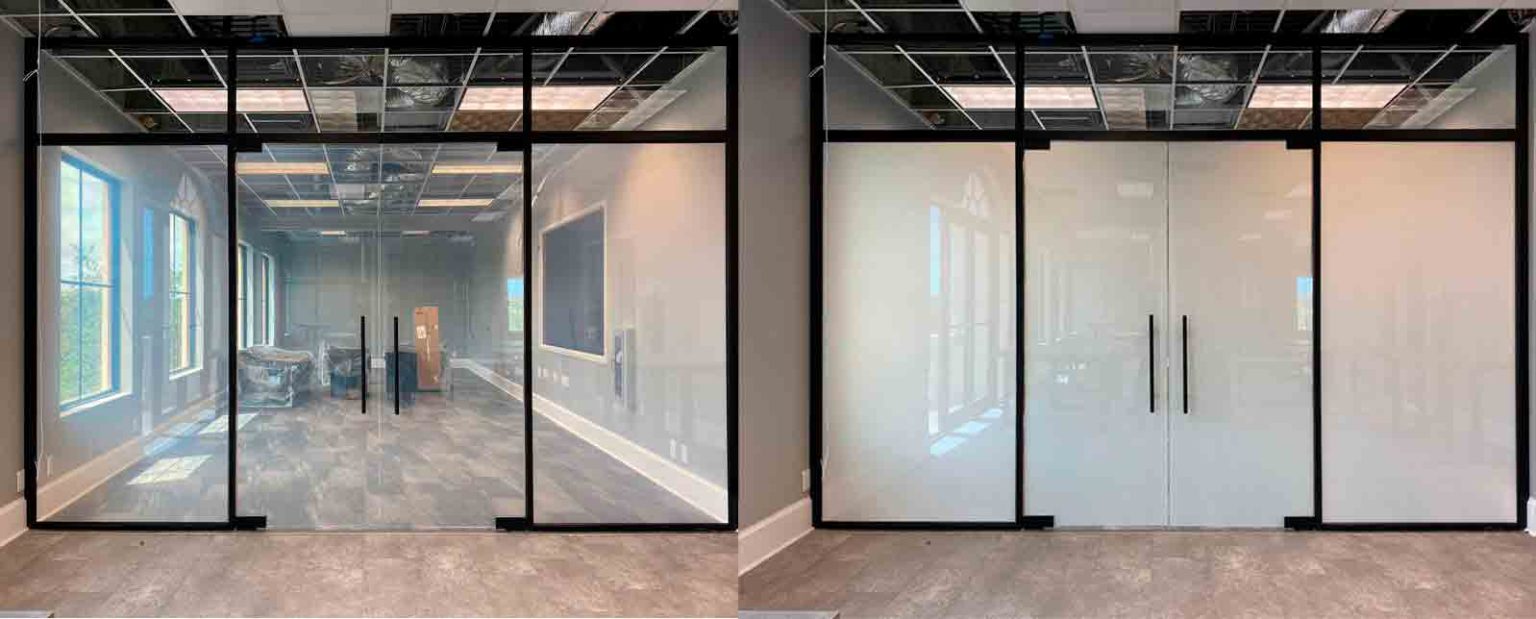
With electrically switchable technology, glass partitions and windows can transition from transparent to frosted in seconds. Conference rooms, executive offices, medical consultation areas, and hotel meeting rooms can maintain openness when needed and privacy on demand.
For businesses, this flexibility is a game-changer. It allows open-plan layouts to remain visually connected while still offering confidential spaces when required — without bulky add-ons or permanent alterations.
NOTE: Electrochromic Glass Film was installed in modern offices, and it transformed spaces by controlling sunlight and privacy instantly. The technology impressed clients with its energy-saving benefits and sleek design. Businesses relied on SMART GLASS DUBAI to deliver flawless solutions. Contact SMART GLASS DUBAI today to upgrade your space efficiently.
2. Enhanced Energy Efficiency
 Energy efficiency is a top priority for commercial property owners. Large glass façades are visually stunning but often come with heat gain, glare, and higher cooling costs.
Dynamic glass systems help regulate indoor temperatures by reducing solar heat and glare. By controlling the amount of light and heat entering a building, they lessen the strain on HVAC systems. Over time, this can translate into meaningful energy savings.
Many companies pursuing green building certifications and sustainability goals are turning to smart glass as part of their broader energy management strategy. Reduced reliance on artificial lighting during the day further enhances these benefits.
3. Improved Comfort and Productivity
Workplace comfort directly affects productivity. Excessive glare on screens, fluctuating temperatures, and lack of privacy can negatively impact employee focus and satisfaction.
Intelligent glass addresses these issues by:
- Minimizing glare on monitors and presentation screens
- Maintaining balanced daylight levels
- Creating flexible private work areas
- Reducing noise when paired with acoustic glass systems
The result is a workspace that adapts to employees’ needs instead of forcing employees to adapt to the space.
In sectors like healthcare, patient comfort and confidentiality are equally critical. Switchable glass is increasingly used in hospitals and clinics to replace curtains, offering a more hygienic and modern alternative.
4. A Modern, High-End Aesthetic
First impressions matter. For corporate offices, hotels, luxury retail stores, and showrooms, visual appeal plays a major role in brand perception.
Intelligent glass systems deliver a sleek, futuristic look that aligns with innovation-driven branding. Instead of cluttered window coverings or static frosted glass, businesses can showcase clean lines and minimalist design.
The ability to instantly change transparency also adds a “wow factor” for clients and visitors. Demonstrating adaptable spaces during presentations or meetings reinforces a company’s commitment to innovation.
5. Better Space Utilization
Commercial real estate is expensive. Every square foot must serve a purpose.
Switchable glass partitions allow multipurpose areas to function in different ways throughout the day. A training room can become a private meeting space. An open collaboration area can transform into a confidential boardroom.
This adaptability reduces the need for additional construction and maximizes existing layouts. Instead of building permanent walls, businesses gain flexible environments that evolve with operational demands.
6. Increased Property Value
Property owners and developers are increasingly incorporating intelligent glazing solutions to future-proof their buildings.
Modern tenants are drawn to spaces that prioritize sustainability, technology integration, and contemporary design. Installing advanced glass systems can:
- Make properties more attractive to high-end tenants
- Support higher rental rates
- Increase long-term resale value
- Position buildings as tech-forward and environmentally conscious
As smart building technologies become standard rather than optional, early adoption can provide a competitive edge.
7. Hygienic and Low Maintenance
In industries like healthcare, hospitality, and food service, hygiene is critical. Traditional curtains and blinds can accumulate dust and bacteria, requiring frequent cleaning or replacement.
Switchable privacy glass offers a smooth, easy-to-clean surface with fewer components that trap contaminants. This makes it particularly appealing for hospitals, clinics, laboratories, and high-traffic commercial environments.
Reduced maintenance also means lower long-term operational costs compared to mechanical shading systems.
8. Seamless Integration with Smart Building Systems
Today’s commercial buildings are becoming increasingly automated. Lighting, climate control, and security systems are often managed through centralized platforms.
Intelligent glass can integrate with these systems, allowing automated tint adjustments based on sunlight levels, occupancy, or time of day. This level of control enhances energy performance while providing convenience for facility managers.
With the rise of IoT-enabled infrastructure, adaptive glazing solutions fit naturally into the broader smart building ecosystem.
The Bottom Line
Commercial spaces are switching to intelligent glass systems because they offer more than just privacy — they deliver flexibility, efficiency, comfort, and long-term value.
As businesses continue to prioritize sustainability, employee well-being, and cutting-edge design, adaptable glass technology is quickly becoming a strategic investment rather than a luxury feature.
For companies looking to modernize their spaces while improving performance and aesthetics, intelligent glass isn’t just an upgrade — it’s the future of commercial design.