Charcuterie Board Workshop Toronto: Learn to Make Your Own Serving Board
Join a hands-on charcuterie board workshop Toronto makers love. Learn woodworking basics, shaping, sanding, and finishing your own custom serving board at GTA WoodWorks.
 crissmiel
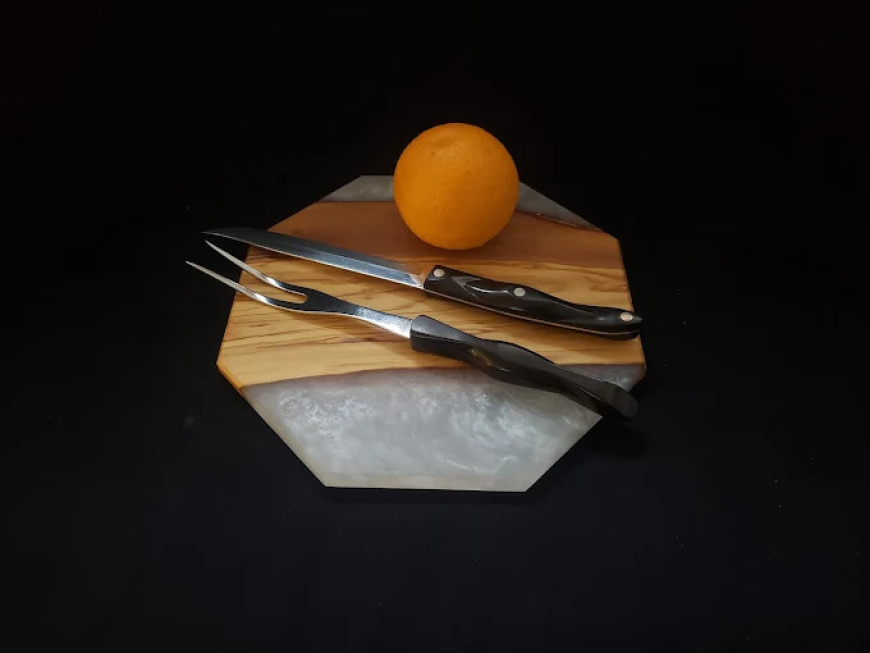
There’s something satisfying about making a serving board with your own hands. Not buying one off a shelf. Actually building it yourself. Picking the wood. Sanding the edges. Watching a rough slab slowly turn into something people gather around during dinners and holidays.
That’s probably why charcuterie boards toronto workshops have gotten so popular lately. People want experiences now. Something real. Something hands-on that doesn’t involve staring at another screen for three hours.
At GTA WoodWorks, a lot of people walk into these workshops thinking they’re just making a serving board. Then halfway through they realize woodworking is way more addictive than they expected.
Happens all the time honestly.
Why Charcuterie Boards Became So Popular
Part of it is social media for sure.
Everybody’s posting these beautiful serving setups now. Cheese boards. Wine nights. Family gatherings. And handmade wooden boards naturally became part of that whole thing.
But there’s another reason too.
Charcuterie boards are one of the best beginner woodworking projects out there. Big enough to feel like a real project. Simple enough that beginners don’t get overwhelmed halfway through.
You don’t need advanced joinery skills. No giant furniture builds. No complicated math. Mostly shaping, sanding, finishing, learning grain patterns, understanding wood.
That’s why these workshops pull in such a wide mix of people:
- DIY homeowners
- Couples looking for date night ideas
- Creative hobbyists
- Parents with teenagers
- Side hustlers wanting to sell handmade products
The project feels approachable. That matters a lot for beginners.
What Happens Inside a Charcuterie Board Workshop
Most people expect woodworking workshops to feel intimidating. Loud machines everywhere. Complicated tools. Somebody yelling measurements across the room.
Actually, the atmosphere’s usually way more relaxed than people expect.
At GTA WoodWorks, beginners start with the basics first:
- Wood selection
- Grain direction
- Safety
- Shaping techniques
- Sanding methods
- Food-safe finishing
Simple stuff. But important.
The cool part is watching people gain confidence pretty quickly. Someone who looked nervous touching a sander at the start suddenly gets obsessed with smoothing edges perfectly two hours later.
That shift happens fast.
And honestly, there’s something calming about woodworking once people settle into it. You focus on the material in front of you. No emails. No notifications. Just building something real.
Choosing the Right Wood for Serving Boards
This part’s more important than beginners realize.
Not all wood works well for food boards. Some woods are too soft. Some absorb moisture badly. Others can affect food safety depending on the finish or grain type.
Most quality workshops stick with hardwoods like:
- Walnut
- Maple
- Cherry
- White oak
Walnut especially gets a lot of attention in charcuterie boards toronto workshops because it looks amazing finished. Rich dark tones. Strong grain patterns. Every board ends up slightly different.
That uniqueness becomes part of the appeal honestly.
People don’t want factory-perfect boards anymore. They want character. Natural grain. Live edges sometimes. Small imperfections that make the piece feel handmade.
Why Handmade Serving Boards Feel Different
You notice it immediately once you make your own.
Store-bought boards all kinda blur together after awhile. Mass produced. Same dimensions. Same finishes. Same look sitting in every kitchen store across Toronto.
A handmade board feels personal though.
Maybe the corners aren’t perfectly identical. Maybe the grain curves a little differently than expected. Doesn’t matter. Actually makes it better most of the time.
That’s what beginners usually connect with during workshops. They realize woodworking isn’t about perfection. It’s about craftsmanship. Patience. Process.
Some people even start making gifts afterward because custom serving boards feel way more meaningful than buying random stuff online.
And for people wanting to go deeper into woodworking later, workshops become a stepping stone into larger projects.
The Tools Beginners Usually Learn First
Charcuterie board workshops are a good introduction to woodworking tools without overwhelming people.
Most beginners get hands-on experience with:
- Sanders
- Routers
- Drills
- Cutting tools
- Finishing supplies
- Edge shaping equipment
Nothing too extreme right away.
That’s important because woodworking confidence builds gradually. Throwing beginners onto advanced machinery immediately usually backfires.
Some participants eventually start building home setups later. Others continue using workshop spaces whenever they need tools or professional help.
And honestly, plenty of people combine their DIY projects with a professional wood cutting service in toronto when they need precise cuts or slab prep done correctly before finishing work themselves.
That hybrid approach works really well.
Why These Workshops Work So Well for Couples and Groups
This surprised a lot of woodworking businesses honestly.
Charcuterie board workshops became social experiences almost by accident. Couples book them for date nights now. Friends come together on weekends. Parents bring older kids for hands-on activities.
Makes sense though.
You’re building something together while also learning a skill. Way more interactive than sitting through another movie or dinner reservation.
And because the projects are beginner-friendly, people don’t feel embarrassed showing up without woodworking experience.
At GTA WoodWorks, the atmosphere stays pretty relaxed for that reason. People joke around. Compare boards. Help each other pick finishes. It feels more creative than technical most of the time.
That’s probably why people keep coming back for larger woodworking classes later.
The Side Hustle Potential Is Real Too
Not everybody takes these workshops just for fun.
Some participants start realizing handmade serving boards actually sell really well locally. Especially custom pieces. Live edge boards. Personalized engraving. Wedding gifts.
Toronto has a strong market for handmade wood products right now.
Farmers markets. Etsy shops. Local gift stores. Holiday markets. People genuinely like buying handcrafted kitchen pieces instead of mass-produced imports.
A simple workshop sometimes becomes the starting point for side businesses. Sounds dramatic maybe, but it happens.
Especially once people understand wood selection, finishing, and basic shaping techniques properly.
Workshops Help People Slow Down a Bit
This part matters more than people expect.
Most people are mentally exhausted these days. Constant screens. Constant noise. Constant multitasking.
Woodworking forces you to slow down. Pay attention. Work with your hands again.
Even sanding becomes weirdly calming after awhile.
That’s probably why these workshops connect with such a broad crowd in Toronto now. It’s not only about making a serving board. It’s about doing something physical and creative for a few hours without distractions everywhere.
Honestly feels rare now.
Why GTA WoodWorks Fits This Style of Learning
Not every woodworking shop feels beginner-friendly. Some places accidentally intimidate newcomers without meaning to.
GTA WoodWorks leans the opposite direction.
The focus stays practical, approachable, hands-on. Real people learning real skills. No fake corporate workshop vibe. No pressure to already know everything walking in.
That matters for beginners.
Especially people trying woodworking for the first time through charcuterie boards toronto classes or weekend creative workshops.
A good learning environment changes everything.
Final Thoughts
A charcuterie board workshop seems simple at first. Just wood, sanding, finishing, maybe some shaping.
But for a lot of people, it becomes something bigger than that.
A creative outlet. A new hobby. A date night that actually feels memorable. Sometimes even the beginning of learning woodworking seriously.
And honestly, there’s something satisfying about pulling out a serving board during dinner and casually saying, “Yeah, I made that.”
People love hearing it too.