Blue Macaw Parrots for Sale: Exploring Personality, Intelligence, and Social Needs
Explore the personality, intelligence, social needs, care, nutrition, and enrichment requirements of blue macaws before choosing a companion parrot.
 exoticparrotpetshop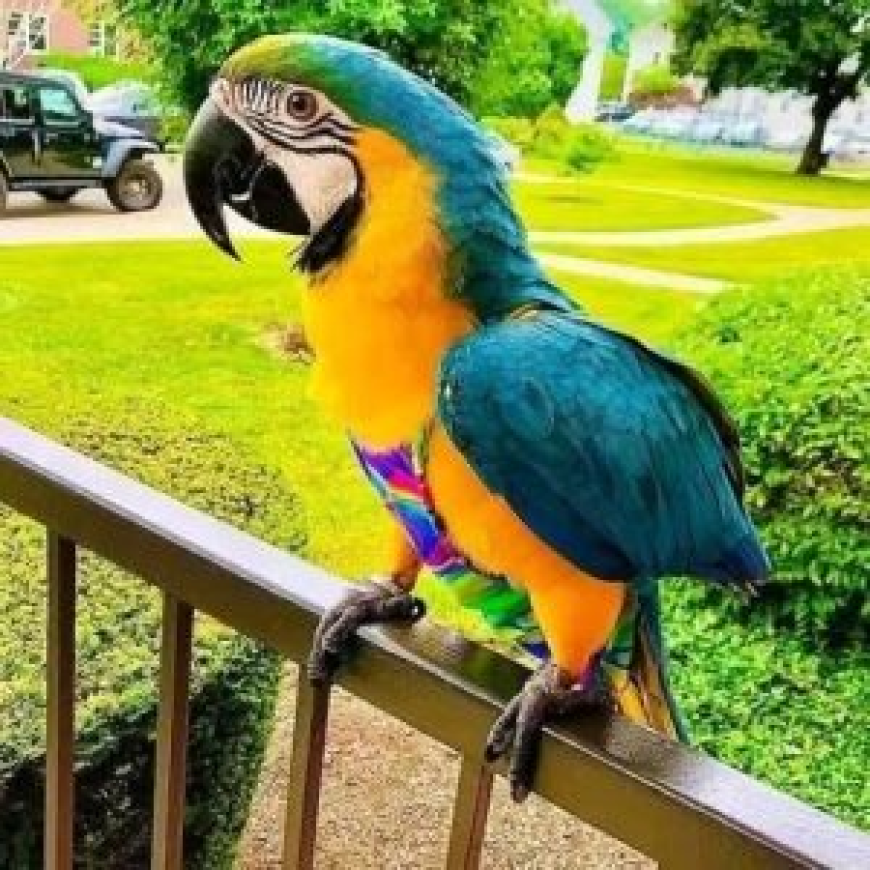
Choosing a large parrot is about much more than finding a bird with striking feathers. Blue macaws are known for their impressive appearance, strong personalities, curiosity, and close bonds with people. For anyone researching Blue Macaw Parrots for Sale, understanding their behavior and social needs is an important part of responsible ownership. The term “blue macaw” is often used for the Hyacinth Macaw, one of the largest parrots, although other macaw species can also have substantial blue coloring. The Hyacinth Macaw can reach about 35–39 inches in length and weigh roughly 42–51 ounces, making its space, nutrition, enrichment, and daily interaction requirements considerably different from those of smaller companion birds.
Understanding the Blue Macaw Personality
A blue macaw can be affectionate, observant, playful, and highly interactive. Individual temperament varies, so it is important not to assume that every bird will behave exactly the same way. Early socialization, handling, environment, training, and the amount of positive interaction a bird receives can all influence how it responds to people.
Many macaws enjoy being involved in household activities. They may watch people moving around the room, investigate unfamiliar objects, manipulate toys, or vocalize when they want attention. Their curiosity can make everyday activities interesting, but it also means owners need to provide a secure environment where potentially dangerous objects are kept out of reach.
The Hyacinth Macaw is sometimes described as a relatively gentle giant among large macaws, but its size and strength should never be underestimated. Its powerful beak can damage household objects and can cause serious injury if the bird becomes frightened, overstimulated, or defensive. VCA notes that large macaws need regular attention, safe toys, and opportunities to spend time outside their cages.
Intelligence and Problem-Solving Ability
Macaws are intelligent birds that benefit from activities requiring observation, exploration, and decision-making. Their intelligence is one reason they can become such engaging companions, but it also creates responsibilities for their caregivers.
A bird that receives little mental stimulation may become bored and develop unwanted behaviors. Providing opportunities to chew, forage, manipulate objects, learn simple behaviors, and explore safely can make everyday life more interesting.
Useful enrichment activities can include:
-
Food-foraging toys that encourage natural searching behavior
-
Bird-safe wooden toys designed for chewing
-
Simple training exercises using positive reinforcement
-
Rotating toys to maintain novelty
-
Supervised exploration outside the cage
-
Safe objects that encourage climbing and manipulation
-
Regular interaction with familiar household members
The World Parrot Trust emphasizes that parrots have significant physical and emotional needs and benefit from appropriate diet, enrichment, and thoughtful care.
Social Needs and Human Interaction
Social interaction is a major consideration before bringing a large macaw into a U.S. household. These birds naturally live in social groups, pairs, or family units, and their companion environment should provide meaningful interaction rather than simply food and shelter. The Hyacinth Macaw is generally observed in pairs, family groups, or small flocks in the wild.
A companion macaw does not necessarily need constant physical contact with its owner, but it does need consistent attention and opportunities to interact. A predictable routine can help a bird understand when it will receive meals, training, playtime, and quiet periods.
Owners should also learn to recognize signs of overstimulation. A bird may become louder, restless, defensive, or less receptive to handling when it has had enough interaction. Respecting those signals can help build trust over time.
Communication and Vocal Behavior
Macaws are naturally vocal birds, and their sounds are an important part of communication. The Hyacinth Macaw has loud calls that can carry considerable distance.
Potential owners should consider this before choosing a macaw for an apartment, condominium, or closely connected residential setting. A quiet bird cannot be guaranteed, and vocalization should be considered a normal part of macaw behavior rather than automatically treated as a behavioral problem.
Learning the difference between attention calls, excitement, alarm, and normal vocal activity can help owners respond appropriately. Training can encourage desirable communication habits, but it cannot completely eliminate a macaw's natural tendency to vocalize.
Creating an Appropriate Living Environment
A large macaw needs substantially more space than a typical small companion bird. The enclosure should allow the bird to move comfortably, stretch its wings, climb, and interact with enrichment items without becoming overcrowded.
For a Hyacinth Macaw, the World Parrot Trust recommends access to a very large enclosure and states that permanent indoor confinement is not recommended.
A suitable U.S. home setup should consider:
-
A spacious, sturdy enclosure appropriate for a large macaw
-
Strong perches of suitable diameter and material
-
Multiple bird-safe chewing opportunities
-
Secure food and water dishes
-
Safe climbing areas
-
Toys that can withstand powerful chewing
-
A separate, bird-safe area for supervised out-of-cage activity
-
Protection from household hazards, toxic fumes, and unsafe plants
Because macaws have powerful beaks, inexpensive or fragile accessories may not remain safe for long. Toys should be inspected regularly and removed when damaged.
Nutrition Supports Long-Term Wellbeing
Nutrition is another important part of responsible macaw care. A diet based exclusively on seeds or nuts can create nutritional imbalance. VCA explains that seed and nut mixes may be high in fat and can lack important nutrients when used as the sole diet.
A well-planned diet may include a nutritionally complete formulated food, appropriate vegetables and fruits, and controlled portions of suitable nuts or other foods based on veterinary guidance. Fresh drinking water should always be available.
For a large macaw, nutrition should be considered as part of an overall health plan rather than as an occasional feeding choice. An avian veterinarian can help determine an appropriate diet based on the individual bird's age, health, activity level, and species.
Daily Enrichment Keeps an Intelligent Bird Engaged
Enrichment should not be viewed as an optional extra. For an intelligent, active macaw, it is part of maintaining a healthy daily routine.
Owners can create a simple enrichment schedule that changes throughout the week. One day might focus on foraging, another on training, and another on supervised exploration. Rotating toys can also make familiar objects interesting again.
Chewing is particularly important for large macaws. The World Parrot Trust recommends bird-safe materials such as suitable woods and other appropriate chewable items for Hyacinth Macaws.
A Practical Daily Routine May Include
-
Morning feeding and fresh water
-
A period of calm social interaction
-
Training using positive reinforcement
-
Supervised exercise or out-of-cage activity
-
Foraging or puzzle-based enrichment
-
Quiet rest periods
-
Evening social interaction and routine care
The exact schedule should be adapted to the bird's individual temperament and household environment.
Health and Responsible Ownership
Macaws can live for decades, so acquiring one is a long-term commitment rather than a short-term pet decision. The World Parrot Trust lists Hyacinth Macaw longevity at approximately 30–50 years or more.
Routine veterinary care is important because birds can conceal signs of illness until a condition becomes advanced. VCA recommends annual veterinary checkups for macaws to help address nutritional and healthcare concerns.
Prospective owners should also research local regulations and ensure that any bird is obtained through lawful, responsible channels. This is especially important with Hyacinth Macaws because the species is listed as Vulnerable and under CITES Appendix I.
Important Ownership Considerations
-
Plan financially for food, housing, toys, and veterinary care.
-
Locate an experienced avian veterinarian before bringing the bird home.
-
Prepare a spacious and secure enclosure in advance.
-
Make daily social interaction part of the household routine.
-
Provide continuous opportunities for safe chewing and enrichment.
-
Understand that loud vocalization is normal macaw behavior.
-
Consider the bird's decades-long lifespan before making a commitment.
-
Verify documentation and legal requirements when acquiring a protected species.
Choosing a Responsible Source
When researching Blue Macaw Parrots for Sale, buyers should look beyond appearance and ask questions about the bird's history, health care, socialization, diet, documentation, and current living conditions. A responsible source should be willing to discuss the bird's needs honestly rather than presenting ownership as effortless.
Potential owners should also take time to understand whether their lifestyle can accommodate a large, intelligent, social parrot. The right match depends on more than availability; it depends on preparation, commitment, and the ability to provide appropriate lifelong care.
Final Thoughts
Blue macaws are remarkable companion birds because of their intelligence, personality, curiosity, and strong social nature. Their beauty may attract attention first, but their behavioral and environmental needs deserve equal consideration. With appropriate nutrition, spacious housing, enrichment, veterinary care, training, and consistent social interaction, owners can create an environment that supports a macaw's long-term wellbeing.
For those researching Blue Macaw Parrots for Sale, Exotic Parrot Pet Shop can provide information about available parrots and responsible ownership considerations. If you are preparing to welcome a macaw into your home, take time to understand its personality, intelligence, social needs, and lifelong care requirements before making a decision.
Contact Information
-
Business: Exotic Parrot Pet Shop
-
Address: 720 Putters Green Way S, Saint Johns, FL 32259, United States
-
Email: [email protected]
-
Mobile: +1 (386) 601-3762