A Contractor’s Guide to Converting Energy Audit Data into HVAC Profits
 edstech
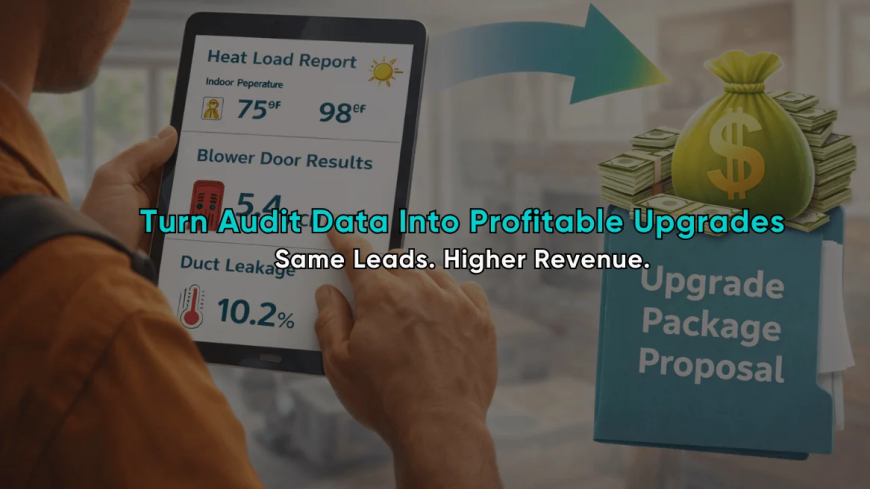
If you’ve ever completed a home energy audit and wondered, “There’s clearly a lot to fix here, but how do I convert this into actual paying projects?” — you’re not alone.
Many HVAC professionals gather valuable audit data like blower door readings, duct leakage levels, insulation gaps, and load calculations. However, the real challenge lies in converting that technical data into clear recommendations that homeowners understand—and are willing to invest in.
The opportunity is already there. The homeowner just needs clarity and confidence.
In this guide, you’ll learn how to home energy audit insights into real HVAC revenue by:
-
Identifying the most valuable upgrade opportunities
-
Prioritizing improvements that deliver results
-
Communicating findings in simple, relatable terms
-
Structuring upgrades into profitable packages
Let’s walk through the process step by step.
What Is a Home Energy Audit?
A home energy audit is a systematic evaluation of how a house uses—and wastes—energy.
For homeowners, it answers questions like:
-
Why do some rooms feel uncomfortable?
-
Why are energy bills rising every month?
-
Why does the HVAC system run constantly?
For contractors, it provides:
-
Measurable data (air leakage, insulation levels, system sizing)
-
Visual insights (thermal imaging, airflow issues)
-
A clear path toward meaningful HVAC upgrades
When combined with accurate load calculations and structured reporting, this data becomes a powerful tool—not just for diagnosis, but for driving sales.
Why Audit Data Is a Game-Changer for HVAC Contractors
Audit data isn’t just technical information—it’s a business advantage.
1. It Shifts the Focus from Price to Performance
Telling a homeowner they need a new unit can feel like a sales pitch.
But explaining that their home is losing a significant amount of conditioned air or that their system is improperly sized turns the conversation into a professional assessment.
Data builds credibility—and credibility closes deals.
2. It Minimizes Callbacks
When upgrades are based on real measurements instead of assumptions, results improve.
You get:
-
Better temperature consistency
-
Properly sized systems
-
Reduced strain on equipment
This leads to fewer complaints and higher customer satisfaction.
3. It Increases Project Value
Without audit data, most jobs are simple replacements.
With audit insights, you can uncover:
-
Air leakage problems
-
Poor insulation
-
Inefficient ductwork
-
Oversized or undersized systems
This allows you to offer complete upgrade solutions instead of one-dimensional installs.
4. It Sets You Apart
Most contractors sell equipment.
Smart contractors sell outcomes.
When you present data-backed solutions, you position yourself as an expert advisor rather than just another installer.
Step-by-Step: Turning Audit Insights into Revenue
Let’s break down how to apply this in real-world situations.
Step 1: Begin with Load Calculations
Before suggesting any upgrades, confirm the home’s actual heating and cooling requirements.
Focus on:
-
Cooling and heating loads
-
Air leakage contribution
-
Duct system performance
Accurate load calculations ensure:
-
Proper equipment sizing
-
Improved efficiency
-
Better comfort outcomes
Using modern HVAC software can speed up this process and improve accuracy, allowing you to make confident recommendations on-site.
Step 2: Focus on High-Impact Fixes
Not every issue needs to be addressed immediately.
Start with improvements that:
-
Directly affect comfort
-
Deliver noticeable efficiency gains
-
Offer clear value to the homeowner
Examples include:
-
Sealing leaky ducts
-
Adding attic insulation
-
Correcting oversized systems
-
Upgrading outdated equipment
Prioritizing helps avoid overwhelming your customer.
Step 3: Simplify the Message
Technical language can confuse homeowners and slow down decisions.
Instead of using industry jargon, use relatable comparisons.
For example:
-
Instead of saying “high air leakage,” explain it as “your home is constantly losing cooled air like a door left open.”
-
Instead of “oversized unit,” say “your system cools too quickly, which reduces comfort and increases humidity.”
Clear communication builds trust and speeds up conversions.
Step 4: Bundle Solutions into Packages
Avoid presenting a long list of issues. Instead, organize solutions into structured options.
Option 1: Comfort Improvement
-
Duct sealing
-
Air balancing
Option 2: Performance Upgrade
-
Properly sized HVAC system
-
Duct enhancements
-
Smart thermostat
Option 3: Complete Efficiency Package
-
Full system replacement
-
Insulation upgrades
-
Air sealing
-
Maintenance plan
Providing options makes the homeowner feel in control while increasing your overall project value.
Common Challenges and Solutions
Challenge: Budget Concerns
Solution:
Explain long-term savings and offer phased upgrades if needed.
Challenge: Difficulty Explaining Data
Solution:
Use visual reports and focus on a few key insights rather than overwhelming details.
Challenge: Time-Consuming Audits
Solution:
Leverage software tools to automate calculations and reporting, saving time and improving accuracy.
Best Practices for Better Conversions
To consistently turn audits into revenue:
-
Always include load calculations with your audit
-
Highlight the top 2–3 issues impacting comfort
-
Use visuals and simple explanations
-
Offer tiered upgrade packages
-
Include maintenance plans in proposals
-
Train your team in communication, not just technical skills
-
Follow up quickly with a clear summary
Consistency in these steps leads to higher closing rates.
How Technology Simplifies the Process
Handling calculations, reports, and proposals manually can slow down your workflow.
Modern tools help by:
-
Generating accurate load calculations quickly
-
Creating professional, easy-to-read reports
-
Structuring data for better presentations
-
Streamlining proposal creation
With the right tools, you spend less time on paperwork and more time engaging with customers.
Conclusion – Turning Insights into Income
A home energy audit alone doesn’t generate revenue—it’s what you do with the data that matters.
When you:
-
Start with accurate calculations
-
Focus on impactful improvements
-
Communicate clearly
-
Present structured upgrade options
You transform raw data into profitable HVAC projects.
In today’s competitive market, data-driven recommendations are no longer optional—they are expected.
Energy Design Systems (EDS) supports contractors with tools for heat load reports, home energy reporting, and maintenance plan pricing so you can spend less time wrestling with numbers and more time closing upgrades. Stop guessing. Start calculating with confidence. Call today!