Who Needs a Colorado Springs Chimney Liner Most

Protect your home with a durable Colorado Springs chimney liner. Improve safety, airflow, and efficiency with expert installation and service.

Who Needs a Colorado Springs Chimney Liner Most

Introduction: Why Chimney Liners Matter More Than You Think

Imagine lighting a cozy fire in your fireplace, not realizing there’s a hidden problem inside your chimney. That hidden issue? A missing or damaged chimney liner. It may not seem like a big deal at first, but trust me, it’s one of those “out of sight, out of mind” things that can sneak up on you. Whether you just bought your home or have been there for 30 years, knowing when a Chimney Liner is needed—and what it does—can save you money, stress, and even your house. So if you’re wondering whether this applies to you, it probably does. 

1.Key Features: What Exactly Does a Chimney Liner Do?

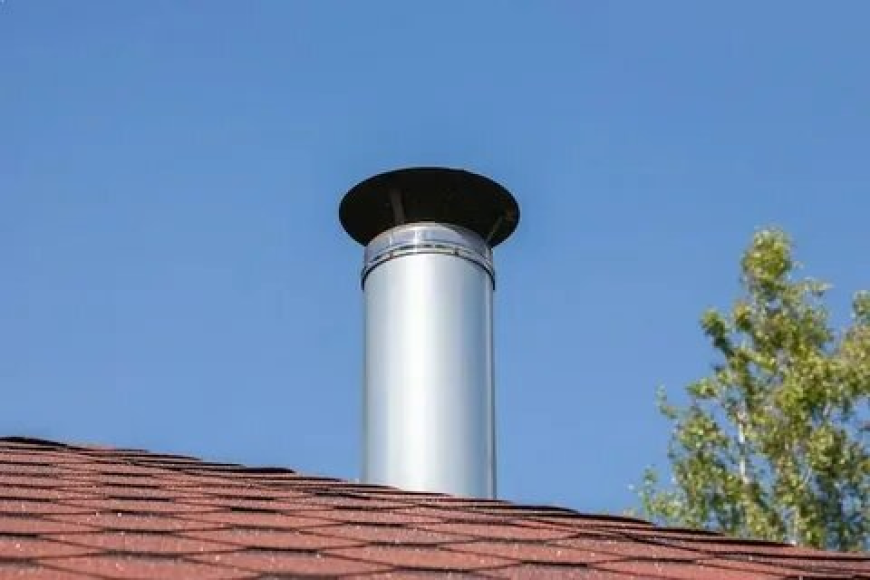
Let’s break it down simply. A chimney liner is like a protective sleeve inside your chimney. It’s not something you see, but it plays a massive role in how safely and efficiently your fireplace or furnace runs. Here’s what makes a good liner valuable:

  • Heat Protection: It keeps the extreme heat from your fire from damaging the inside of your chimney.

  • Blockage Prevention: It helps direct smoke and gases out smoothly, reducing the risk of buildup and blockages.

  • Structural Support: A liner reinforces old, crumbling chimneys and extends their lifespan.

  • Energy Efficiency: With proper airflow, your system uses less energy and burns fuel more cleanly.

Still not sure if you’d ever need one? Refer to the comparison chart below for a quick overview.

Situation Chimney Liner Needed?
Just moved into an older home Yes
Noticed smoke leaking into the room Absolutely
Replacing old wood stove Yes
Switching to a gas appliance Definitely
Haven’t inspected chimney in years Get it checked
Live in a newly built home Maybe not—check anyway

Even if your chimney looks perfectly fine on the outside, it's what’s going on inside that truly counts.

2.Safety: The Most Important Reason to Install One

Let’s not sugarcoat this—chimneys without proper liners are risky. That’s not just some industry scare tactic; it’s a real safety concern. If the liner is cracked or missing, heat and smoke can seep into the walls or attic. That’s how house fires start. Plus, harmful gases like carbon monoxide can sneak into your living space, especially if your chimney is clogged or damaged. And the scary part? You often won’t see or smell it until it’s too late.

When you install or replace a chimney liner, you’re not just making a home improvement. You’re protecting your family. It’s like choosing to wear a seatbelt—you hope nothing goes wrong, but you’re sure glad it’s there when something does.

“Think of your chimney liner as the invisible firefighter—it’s always working in the background to stop a disaster before it starts.” — Local Chimney Tech, Colorado Springs

3.Cost: Is It Expensive? And Is It Worth It?

Here’s the honest answer: a chimney liner isn’t the cheapest upgrade you’ll make, but it’s easily one of the most valuable. Depending on the size of your chimney and the material you choose (clay, metal, or cast-in-place), you might spend anywhere from $1,000 to $4,000. But that’s far less than the cost of smoke damage, house fires, or emergency repairs later on.

And when you factor in how much a well-lined chimney can improve heating efficiency, it often pays for itself over time.

A few tips to keep the cost down:

  • Get regular inspections. It’s cheaper to catch a problem early.

  • Use a trusted local company. No upsells, no gimmicks—just honest service.

  • Ask for options. There’s no universal solution, and the most expensive option might not be necessary for you.

4.Emergency Service: When It’s Time to Call Right Away

Some chimney issues can wait. A liner problem usually isn’t one of them. If you’ve noticed strange smells when you light a fire, black residue around the fireplace, or hear weird cracking or popping inside the walls, don’t ignore it. That’s your house trying to tell you something’s wrong.

Here’s when chimney liner repair or replacement should be treated as an urgent priority:

  • After a chimney fire (even a small one)

  • If water is leaking into the chimney

  • When switching from wood-burning to gas

  • If you had a recent earthquake or strong storm

  • Anytime smoke backs up into your home

In Colorado Springs, we get unpredictable weather—strong winds, sudden freezes, and even hailstorms. All of that can quietly damage your chimney over time. That’s why we always suggest having a professional look at your system every year. And if you do need emergency liner service, don’t wait for it to get worse. One quick visit can often stop a minor issue from turning into a disaster.

Frequently Asked Questions

Q1: How do I know if I even have a chimney liner?
A: If your home was built before the 1940s, you might not. The only way to be sure is with a chimney inspection using a camera.
Q2: Can I install a liner myself?
A: Technically, yes—but it’s not recommended. The materials are heavy, the process is tricky, and one mistake could leave your home vulnerable to fire or gas leaks.
Q3: How long does a liner last?
A: Metal liners can last 15–20 years or longer with proper care. Clay ones may crack over time, especially with repeated heating and cooling.
Q4: Is it okay to keep using my fireplace without a liner?
A: If the chimney is unlined or has damage, it's not safe to operate. You’re risking fire, gas exposure, and structural damage.
Q5: What’s the best time of year to get a chimney liner replaced?
A: Spring or summer. You’ll beat the fall rush and have everything ready before the cold weather hits.

Conclusion: Better Safe Than Sorry

The people who need a chimney liner the most are usually the ones who haven’t thought about it yet. If you use your fireplace often—or even once in a while—it’s a good idea to get your chimney inspected. A simple liner might be all it takes to protect your home from serious risks. And even if everything checks out, at least you’ll have peace of mind. Your chimney is more than just a passage for smoke—it’s a vital part of your home’s safety system. So don’t wait for a sign from the smoke detector. Take care of it now. Colorado Springs Chimney Liner is here to help with inspections, repairs, and emergency services whenever you need us.
Read More: Colorado Springs Chimney Sweep