How to Prepare Your Perth Home for Summer: 10 Maintenance Checks
Spring represents an excellent opportunity for Perth residents to examine and fix any problems with their property before the harsh summer weather hits. Due to winter rains, winds, and moisture, some minor problems associated with the roof, exterior, drainage, woodwork, doors, and outside space might become apparent during the warmer season.
 bodacarpentry
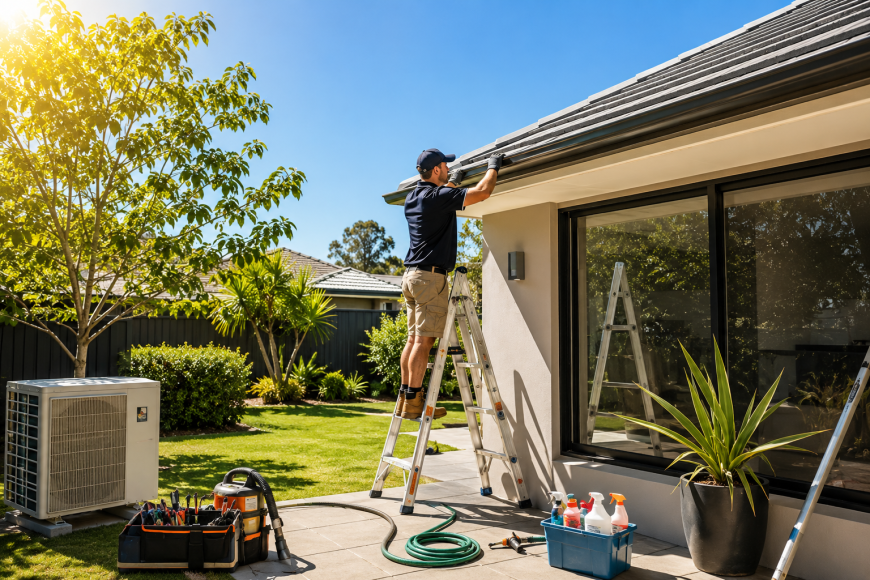
Spring represents an excellent opportunity for Perth residents to examine and fix any problems with their property before the harsh summer weather hits. Due to winter rains, winds, and moisture, some minor problems associated with the roof, exterior, drainage, woodwork, doors, and outside space might become apparent during the warmer season.
In this case, the list of activities to be performed during the spring home inspection is far more than just cleaning the house. Rather, this list should include identifying potential problems, making your summer more comfortable, and preventing minor problems from developing into costly repairs.
The reason why it is especially relevant in Perth is that according to our experience of conducting renovations and research on the matter, Perth carpenters know that Perth gets most of its rain during May–August.
Here is a useful list of spring home inspections for Perth.
1. Check Your Roof Following Winter Rain
Your roof may well be one of the first items to check following winter.
Check for:
-
Missing, cracked or dislodged roof tiles
-
Damaged flashing
-
Rust and corrosion
-
Clogged valleys
-
Ceiling staining
-
Damp and moldy smell from the roof cavity
-
Structural sagging
-
Damaged roof structure
Even the smallest issue with the roof structure will enable water to enter insulation, ceilings and roof structure.
Tip: If there are active leaks, structural issues and/or electrical hazards found in the roof cavity, avoid attempting DIY repairs. WA Building and Energy has a specific warning for homeowners regarding electrical hazards in roof cavities.
2. Inspect and Clear Out Gutters and Downspouts
If there are gutters on your roof that get clogged up, then this could cause trouble the next time it rains.
Look out for:
-
Leaves and other debris
-
Overgrown garden vegetation
-
Areas of rusting
-
Any loose brackets
-
Clogged downspouts
-
Overflow marks
-
Pooling water
Following the clear-out, test that the water drains correctly.
This is especially important following the wet winter months in Perth.
3. Inspect Your House for External Wall Cracking
Inspect rendered and masonry walls from the exterior of your property.
The following conditions need to be checked:
-
Newly formed cracks
-
Bubbling or flaking rendering
-
Damp stains
-
Mould and mildew growth
-
Deterioration of mortar joints
-
Efflorescence
-
Damage to window and door seals
Do not make an assumption that all cracks need immediate structural repair. While the cause of hairline surface cracking can differ from cracking in other forms, the key is to investigate changes and not just paint over them.
4. Check Doors, Windows and Sealing of the Exterior
During winter, openings in doors and windows which were not apparent during warm weather may come to light.
These include:
-
Door frames
-
Sliding doors
-
Seals of windows
-
Weather strips
-
Door locks and handles
-
Gaps at the bottom of exterior doors
-
Stuck or swollen wooden doors
Tiny gaps may cause discomfort and reduce energy efficiency. The WA government advises that as part of preparations for summer, it is important to deal with heat entry from windows and the use of curtains or blinds during the day.
A swelling or stuck wooden door may need fixing or adjusting rather than replacement.
5. Check Decking, Pergolas and Exterior Timber
Spring is a great time to check your exterior timber before you start making greater use of your entertainment areas.
Inspect your:
-
Deck
-
Pergola
-
Patio
-
Timber screens
-
Outdoor steps
-
Balustrades
-
Fencing
-
Exterior timber joinery
Look for splitting, rot, loose boards, unstable posts, mould, peeling coatings and corroded fixings.
It is particularly important to do this due to the heat of a Perth summer adding stress to the exterior timber. The winter maintenance tips are that you check your decks, pergolas and fences for damage from moisture, decay, cracking and loose connections.
6. Check Your Air Conditioning before the First Summer Heat Wave
Don't wait until a hot day to find out that your air conditioning isn't doing what it should be.
Before summer:
-
Clean any visible filters
-
Check air flow
-
Test the cooling system
-
Check outside units for anything blocking them
-
Listen for any unusual sounds or smells
-
Have the system professionally serviced if it is underperforming
The WA Government suggests cleaning air conditioner filters in spring and having the systems professionally serviced prior to summer. They also advise that cooling can make up 40% of the average household's energy bill in WA during summer.
7. Prepare your garden and reticulation
Your garden will soon start getting difficult as the temperature increases.
Check:
-
Sprinkler heads
-
Leaks in pipes
-
Obstructed nozzles
-
Irrigation system
-
Drainage system
-
Tree branches
-
Dead plants
-
Amount of mulch
-
Edge of garden
Property-maintenance tips for Perth recommend inspection of your garden reticulation after winter and ensure that the watering schedule matches the local schedule.
Spring is also the right time to prune any tree branches obstructing rooftops, gutter systems, outside structures, and pathways.
8. Test Smoke Detectors and Safety Devices
The spring inspection program is supposed to cover safety, not just looks.
Test your smoke detectors, inspect their condition and age. DFES advises testing them monthly, cleaning them annually and replacing them every 10 years.
For homes being sold, rented or hired out, according to WA laws, the property must have properly working smoke detectors that are no more than 10 years old and mains powered when necessary.
For any work on a mains powered detector, get a licensed electrician.
9. Inspect Fencing, Gates and Boundary Areas
Winter weather can expose movement or deterioration in fences and gates.
Look for:
-
Leaning fence panels
-
Rotten timber posts
-
Loose hinges
-
Damaged latches
-
Rust
-
Cracked masonry boundary walls
-
Erosion around posts
-
Drainage problems
Repairing these issues before summer can improve security, appearance and property functionality.
10. Inspect Outdoor Entertaining Areas
In Perth, property owners make more use of their patios, alfresco areas, and outdoor areas during spring and summer.
Prior to entertaining, look at:
-
Patio construction
-
Decking
-
Outdoor flooring
-
Stairs
-
Handrails
-
Outdoor lighting
-
Doors
-
Screens
-
Outdoor kitchens
-
Outdoor furniture storage
Should you be considering an upgrade to your patio as opposed to just maintenance, then spring is also a good time to plan deck construction, pergola construction, alfresco additions or any other outdoor renovation. According to Perth renovation reports, spring is a good time for some exterior work, although the schedule of contractors will be busier.
11. Look for Winter Damage You May Have Missed
Not every problem is obvious.
Walk through the property and ask:
What changed during winter?
Check for:
-
New stains
-
Musty smells
-
Peeling paint
-
Swollen timber
-
Mould
-
Cracks
-
Loose fixtures
-
Water pooling
-
Damp areas
-
Unusual movement or noise
Photograph anything suspicious and monitor whether it changes over the following weeks.
12. Prioritise Repairs Before They Become Bigger Projects
A useful way to manage your checklist is to divide issues into three categories:
Fix now
Active leaks, unsafe stairs, structural concerns, electrical hazards and serious water ingress.
Schedule soon
Damaged decking, deteriorating doors, gutter problems, cracked finishes and failing outdoor structures.
Monitor
Minor cosmetic defects that aren't changing and don't affect safety or functionality.
This approach helps homeowners avoid spending their entire maintenance budget on cosmetic improvements while more important problems remain unresolved.
What Perth Homeowners Can Do Beyond the Standard Checklist
A typical spring-cleaning article might stop at gutters, cleaning and air conditioning. A more useful Perth home maintenance checklist should also consider the condition of the building itself.
Before summer, consider whether your property needs:
-
Timber repairs
-
Door repairs or replacement
-
Decking maintenance
-
Pergola repairs
-
Fencing repairs
-
Rendering or plaster repairs
-
Brickwork repairs
-
Painting
-
Minor renovation work
-
General property maintenance
Property-maintenance services cover repairs, painting, tiling, carpentry, plumbing and general property upkeep, allowing homeowners to address multiple maintenance needs rather than managing every task separately.
A Simple Perth Spring Maintenance Schedule
|
Time |
What to check |
|
Early spring |
Roof, gutters, drainage and winter damage |
|
Mid-spring |
Doors, windows, timber, fencing and exterior surfaces |
|
Late spring |
Air conditioning, reticulation and outdoor entertaining areas |
|
Before summer |
Safety equipment, cooling, garden and outstanding repairs |
Final Thoughts
Spring is about more than just cleaning; it is a period during which you can make sure that your house will be ready for summer in Perth.
By examining the roof, gutters, walls, doors, windows, outdoor wood, garden, cooling equipment, and safety devices in advance, you can detect any possible issues before they start bothering you or requiring additional expenses.
In case you notice that there is much to be done on your checklist, think about completing a maintenance project.
FAQs
When is the best time to perform spring home maintenance in Perth?
The period from September to November will be an appropriate time to examine and fix any damages caused by winter weather prior to higher summer temperatures.
What should I check first after Perth winter?
It is wise to start from the roof, gutters, downpipes, walls, drainage, and moisture-damaged zones.
How do I prepare my Perth home for summer?
It is necessary to check the air conditioner, windows, doors, shading, roof, outdoor wood, irrigation system in the garden, and safety devices before the heat comes.
How often do I need to check my smoke alarms?
DFES recommends performing monthly testing, annual cleaning, and replacement of alarms every 10 years.
Do I have to repair the damaged deck before summer?
Yes, you need to examine the structure for rotting, splitting, loose planks, instability, and deteriorated fixings.
Note: Maintenance and building regulations may differ depending on the type of property, works performed, and applicable local legislation. It is recommended to have the works related to safety, structures, and electrical devices assessed and carried out by professionals. The seasonal recommendations stated above are general information for Perth homeowners.