How Regular Coffee Machine Maintenance Helps Prevent Costly Repairs
Discover essential coffee machine maintenance tips for home, office, and commercial setups. Learn daily cleaning routines, descaling steps, and preventive care to stop leaks, heating issues, and costly repairs.
 MarkLiam
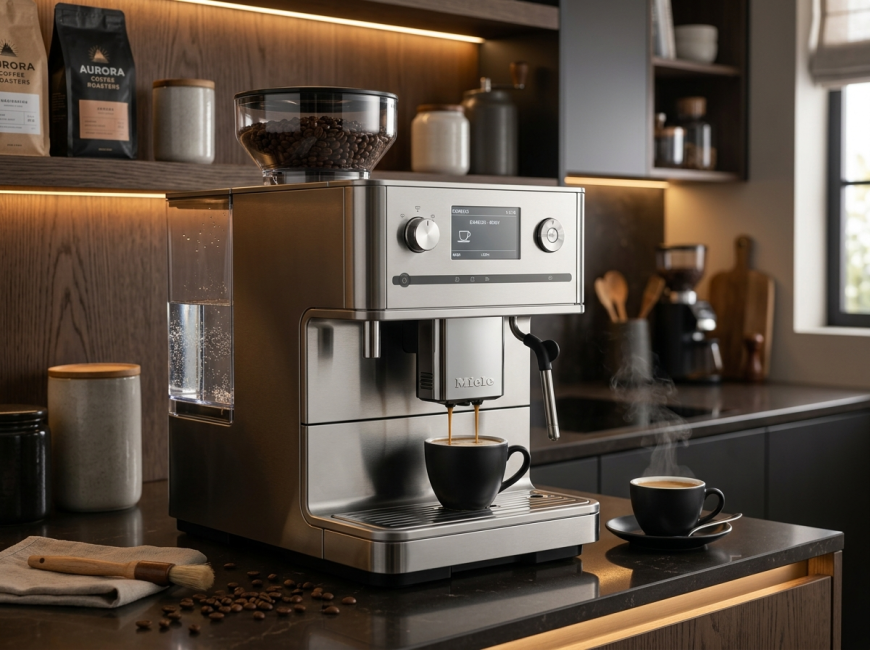
A coffee machine may work every day without showing any obvious problem. Then one morning, it starts heating slowly, producing weak coffee, leaking water, or making unusual noises.
Many of these faults develop gradually. Coffee oils build up inside the brewing system, limescale narrows water passages, milk residue blocks steam parts, and grinder dust affects bean movement.
Regular maintenance helps you spot these changes early. It also keeps the machine cleaner, improves drink quality, and reduces the risk of damage to expensive internal parts.
Why Coffee Machine Maintenance Matters
A coffee machine handles water, heat, pressure, coffee oils, milk, and fine grounds. Each of these can leave residue inside the machine.
Without proper care, the machine may develop:
-
Slow water flow
-
Low brewing pressure
-
Weak steam
-
Poor coffee flavour
-
Grinder blockages
-
Water leaks
-
Longer heating times
-
Error messages
-
Unusual pump noise
-
Premature part wear
The real test is how the machine performs after months of daily use. A machine that still heats quickly, brews consistently, and moves water smoothly is usually being maintained well.
Daily Maintenance Tasks
Small daily tasks can prevent larger problems.
Empty and Clean the Drip Tray
The drip tray collects rinse water, coffee residue, and condensation. Leaving it full can cause spills, smells, and bacterial buildup.
Empty it at the end of the day and wash it with warm water. Check the corners and drainage openings for trapped coffee grounds.
If the tray fills much faster than normal, the machine may have an internal valve or pressure problem.
Empty the Coffee Waste Container
Automatic machines collect used coffee grounds in an internal container. Wet grounds can develop mould and unpleasant smells if they remain inside for too long.
Empty the container daily when the machine is used often. Wash and dry it before placing it back.
Check the grounds as well. Very wet or unusually dry coffee pucks may point to a brewing, pressure, or dosage problem.
Wipe the Group Head and Portafilter
Coffee oils collect around the group head, filter basket, and portafilter.
After use:
-
Remove loose coffee grounds
-
Rinse the filter basket
-
Wipe the group-head seal
-
Wash the portafilter
-
Let the parts dry
Do not leave used coffee inside the filter basket for long periods. The oils harden and become more difficult to remove.
Clean the Steam Wand
Milk residue can dry inside the steam wand within a short time.
After steaming milk:
-
Wipe the outside with a clean damp cloth
-
Release a short burst of steam
-
Clean removable nozzles
-
Wash milk tubes where applicable
A blocked steam wand may produce weak steam, poor foam, or an unpleasant smell.
Weekly Maintenance Tasks
Weekly cleaning should focus on parts that collect deeper residue.
Wash the Brew Unit
Many automatic coffee machines have a removable brew unit.
Follow the manual when removing it. Rinse it with clean water and allow it to dry fully before reinstalling it.
Do not use strong washing liquids unless the manufacturer permits them. Some chemicals can remove food-safe lubricant or damage seals.
Never force the brew unit back into place. Restart the machine first if the internal drive is not aligned.
Clean the Bean Hopper
Coffee dust and oily residue collect inside the bean hopper.
Empty the hopper and wipe it with a dry cloth. Keep moisture away from the grinder.
Very oily beans may stick together and stop feeding smoothly. This can make the grinder run without producing the correct amount of coffee.
Clean the Coffee Chute
Automatic machines move ground coffee through a narrow chute.
Use a dry soft brush to remove visible buildup. Do not push metal objects into the chute.
A blocked coffee chute may cause:
-
Weak drinks
-
Coffee grounds spilling inside the machine
-
Grinder warnings
-
Incomplete brewing cycles
Why Descaling Is Important
Water contains minerals that collect inside boilers, thermoblocks, pipes, pumps, and valves.
This buildup is called limescale.
Limescale can cause:
-
Slow heating
-
Reduced water flow
-
Low pressure
-
Loud pump operation
-
Weak steam
-
Unstable coffee temperature
-
Leaking seals
-
Blocked valves
Descaling removes mineral buildup before it becomes severe.
Use the correct descaling product for your machine. Follow the recommended amount and rinse cycle.
Do not use random household chemicals. Some products can damage seals, metal parts, or internal coatings.
For broader help with domestic equipment, you can review appliance repair services in Sharjah when several appliances need professional attention.
How Often Should You Descale a Coffee Machine?
The correct schedule depends on:
-
Water hardness
-
Machine type
-
Number of drinks made each day
-
Use of a water filter
-
Manufacturer instructions
-
Home or commercial use
A home machine used a few times each day may need descaling every few months. A busy office or café machine may need attention more often.
Do not wait until the machine stops working. Common warning signs include slower heating, reduced pressure, smaller drink portions, and louder pump noise.
Grinder Maintenance
The grinder affects flavour, extraction, and brewing pressure.
A poorly maintained grinder may produce uneven grounds or stop feeding beans correctly.
Good grinder care includes:
-
Keeping the hopper dry
-
Avoiding extremely oily beans
-
Cleaning loose coffee dust
-
Adjusting the grind gradually
-
Listening for unusual sounds
-
Checking for slow grinding
-
Replacing worn burrs when needed
Do not wash the internal grinder with water.
If the grinder jams, turn the machine off. Continuing to run the motor may damage the gears or electrical parts.
Water Filter Maintenance
Some coffee machines use internal water filters to reduce minerals and improve water quality.
A filter that stays in the machine too long may become blocked and restrict water flow.
Replace it according to the machine instructions.
Signs of a blocked filter include:
-
Slow brewing
-
Weak hot-water flow
-
Loud pump noise
-
Small coffee portions
-
Low-pressure warnings
Record the replacement date so you do not forget it.
Maintenance for Milk Systems
Automatic milk systems need extra care because milk residue spoils quickly.
Daily cleaning should include:
-
Rinsing milk tubes
-
Cleaning connectors
-
Emptying milk containers
-
Washing removable nozzles
-
Running the machine’s milk-cleaning cycle
The small details are what make the biggest difference. A thin layer of dried milk can block steam flow and affect the taste of every drink.
Replace cracked or discoloured tubes. Damaged tubes can leak air and reduce milk foam quality.
Home Coffee Machine Maintenance
Home machines may produce fewer drinks, but residue still builds up.
A good home routine includes:
-
Cleaning removable parts daily
-
Descaling when due
-
Washing the brew unit
-
Replacing the water filter
-
Cleaning the steam wand after use
-
Emptying old beans
-
Checking for leaks
Do not leave water in the tank for long periods if the machine is not being used.
If you are going away, empty and clean the machine before storage.
Office Coffee Machine Maintenance
Office machines often make many drinks throughout the day. Different users may also leave trays, waste containers, and milk parts uncleaned.
Assign clear cleaning tasks to one person or team.
A simple office checklist can include:
-
Refill clean water
-
Empty the drip tray
-
Empty the waste container
-
Wipe the machine
-
Clean milk parts
-
Check bean levels
-
Report warning lights
This prevents small problems from being ignored until the machine stops working.
Commercial Coffee Machine Maintenance
Cafés and restaurants depend on consistent drink quality and fast service.
Commercial machines usually need:
-
Daily group-head cleaning
-
Regular backflushing where approved
-
Steam-wand cleaning after every use
-
Grinder adjustment
-
Water-filter replacement
-
Pressure checks
-
Boiler inspection
-
Seal and gasket checks
-
Scheduled technical servicing
A commercial machine may still work while pressure, temperature, or flow slowly declines. Regular servicing can identify these changes before they affect every drink.
Signs Maintenance Is No Longer Enough
Cleaning can solve many common problems, but it cannot repair a failed electrical or mechanical part.
Book an inspection when:
-
The machine does not heat
-
The pump runs without moving water
-
Pressure remains low after cleaning
-
Water leaks from inside the casing
-
The grinder makes severe noises
-
The steam wand stays blocked
-
Error messages keep returning
-
The machine trips the power supply
-
There is a burnt smell
-
The same fault returns after descaling
These symptoms may involve the pump, heater, thermostat, valve, grinder motor, control board, or internal wiring.
Maintenance Mistakes to Avoid
Poor cleaning methods can damage the machine.
Avoid:
-
Using strong household chemicals
-
Pouring water into the grinder
-
Forcing the brew unit
-
Ignoring the user manual
-
Running the machine without water
-
Reusing dirty milk tubes
-
Descaling too frequently
-
Leaving wet grounds inside
-
Continuing to use a leaking machine
-
Opening electrical parts at home
This is where most people make the wrong choice. They try repeated cleaning cycles even when the fault needs proper testing.
How Regular Maintenance Saves Money
Maintenance can reduce repair costs in several ways.
It may help you:
-
Find leaks before water reaches the control board
-
Remove limescale before valves become blocked
-
Clean the grinder before the motor becomes strained
-
Replace worn seals before pressure drops
-
Clear milk residue before steam parts fail
-
Notice pump noise before water flow stops
A small cleaning or maintenance task usually costs less than replacing a boiler, pump, grinder motor, or control board.
How to Choose the Best Affordable Coffee Machine Maintenance Service
An affordable service should provide more than surface cleaning.
Ask what the maintenance visit includes.
A proper service may cover:
-
Internal inspection
-
Water-flow testing
-
Pressure testing
-
Temperature checks
-
Leak inspection
-
Grinder examination
-
Brew-unit cleaning
-
Valve checks
-
Seal inspection
-
Final brewing test
Choose someone who works with your machine type and explains any developing faults before replacing parts.
For professional help, best affordable coffee machine maintenance in Sharjah may be useful for home, office, café, and commercial machines that need inspection, cleaning, or repair.
Repair or Maintenance?
Maintenance is suitable when the machine is working but needs cleaning, inspection, adjustment, or descaling.
Repair is needed when a part has failed or the machine cannot complete its normal functions.
Maintenance may include:
-
Cleaning
-
Descaling
-
Lubrication
-
Adjustment
-
Inspection
-
Testing
Repair may include:
-
Pump replacement
-
Heating-element repair
-
Grinder repair
-
Valve replacement
-
Seal replacement
-
Control-board work
A technician should explain which type of work the machine actually needs.
A Simple Coffee Machine Maintenance Schedule
After Every Use
-
Remove used coffee grounds
-
Rinse the filter basket
-
Wipe the steam wand
-
Clean milk residue
At the End of Each Day
-
Empty the drip tray
-
Empty the waste container
-
Wash removable parts
-
Wipe the machine body
Every Week
-
Clean the brew unit
-
Brush the coffee chute
-
Wipe the bean hopper
-
Inspect seals and tubes
When Recommended
-
Descale the machine
-
Replace the water filter
-
Use approved cleaning tablets
-
Lubricate approved brew-unit points
For Heavy Use
-
Arrange regular technical inspection
-
Check brewing pressure
-
Check water temperature
-
Inspect pumps, valves, and seals
Final Thoughts
Regular coffee machine maintenance protects water flow, pressure, temperature, grinding, and milk performance.
Daily cleaning prevents residue from building up. Descaling protects the heating and water systems. Scheduled inspection helps find worn parts before they cause larger faults.
Pay attention to changes in sound, flow, heat, pressure, and drink quality. Early maintenance gives you more options and may prevent a small problem from becoming an expensive repair.